Blog

What Is Best: Lease vs. Buy a Car?

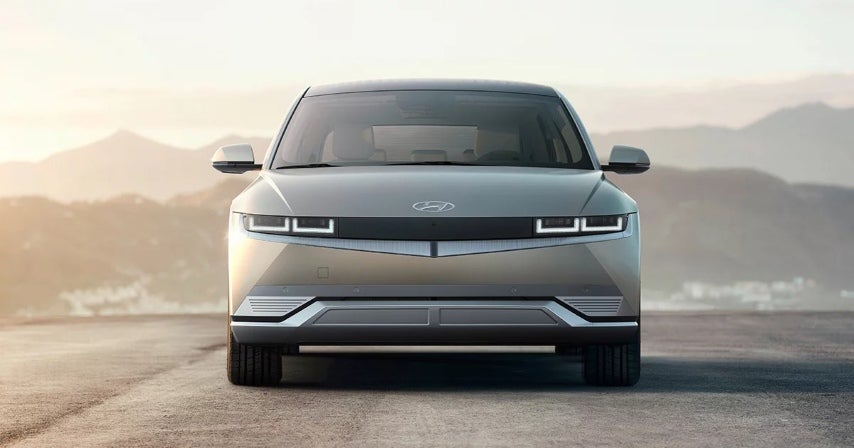
Front view of a silver Hyundai IONIQ 5 electric vehicle parked on a road with mountains in the background.

Leasing vs. Buying a Car

Choosing between leasing and buying a car is one of the bigger financial decisions you'll face as a driver. Neither option wins across the board. The right call depends on how you actually use your car, what your budget looks like, and what you value most in a vehicle.If you're already curious about what you might qualify for, you can start your credit application with us online, or browse our new Hyundai inventory to get a feel for what's available. Getting clear on both paths makes the whole thing a lot less overwhelming, and that's what this guide is here to help with.Front view of a silver Hyundai IONIQ 5 electric vehicle parked on a road with mountains in the background.

Leasing vs. Buying a Car: What's the Real Difference

At its core, the difference comes down to ownership. When you buy, you're working toward owning the vehicle outright. When you lease, you're paying to use it for a set period, then returning it or buying it when the term ends.Both get you behind the wheel, but the financial structures and long-term outcomes are very different. Knowing how each one actually works puts you in a much stronger position when the time comes to decide.

How Leasing a Car Works

Leasing is a lot like renting. Instead of financing the vehicle's full value, you pay for the depreciation that happens during your lease term, which typically runs two to four years. Your monthly payment covers the gap between what the car is worth now and what it's projected to be worth at the end of the lease (that projected figure is called the residual value).Most lease agreements include annual mileage limits, usually somewhere between 10,000 and 15,000 miles. Go over that, and you'll pay a per-mile fee when you return the car. At the end of the lease, you can walk away, start fresh with a new lease, or buy the vehicle at its residual value. The negotiated price of the car, called the capitalized cost, directly affects your monthly payment, so it's worth discussing carefully before you sign.

Why Drivers Choose to Lease

A lot of drivers are drawn to leasing because it offers access to newer vehicles at a lower monthly cost. Since you're not financing the full purchase price, payments tend to be more manageable. That often means you can get behind the wheel of a better-equipped model than you could realistically afford to buy outright.Beyond the cost factor, leasing appeals to people who like variety. You can move into a new model every few years without the hassle of selling or trading in, and you return the vehicle at the end of the term with no trade-in negotiation needed. Most leased vehicles are also covered under the manufacturer's warranty for the entire lease term, which takes a lot of the sting out of unexpected repair bills. For business owners, there can be tax advantages worth reviewing with a financial advisor.

The Pros and Cons of Leasing a Car

Leasing offers real advantages, particularly for drivers who prioritize lower monthly costs and staying current with newer models. Payments are typically lower than financing the same vehicle, most leases fall within the manufacturer's warranty window which limits out-of-pocket repair costs, and many deals require little to no down payment. At the end of the term, you simply return the vehicle without worrying about long-term depreciation or the hassle of selling.The trade-offs, however, are worth understanding clearly. You never build equity, so when the term ends you have nothing to show for your payments. Annual mileage caps, typically 10,000 to 15,000 miles per year, can get expensive if you drive frequently, and returning the vehicle in anything less than good condition may trigger wear-and-tear charges. Modifications aren't permitted, early termination carries significant penalties, and if you lease back-to-back you'll carry a monthly payment indefinitely with no payoff finish line in sight.

How Buying a Car Works

Buying a car means financing its full purchase price, either through an auto loan or a straight cash payment. Loan terms typically range from two to seven years, with some lenders offering terms up to 84 months or longer. Your monthly payments go toward paying off that loan, and once the final payment is made, the vehicle is entirely yours. Buyers negotiate the purchase price and financing terms directly with the dealership, and your credit history, loan term, and down payment all shape what you'll pay each month.The process requires more upfront financial commitment than leasing. You'll typically put down a larger down payment, and your monthly payments will be higher because you're covering the vehicle's full value rather than just its depreciation over a fixed term. If you're ready to explore your financing options, start your credit application with us online before you visit.

Why Drivers Choose to Buy

Ownership is the biggest reason. Once the loan is paid off, you're done with monthly payments, which frees up real money over time. You also build equity in the vehicle, something you can put toward your next purchase when you're ready to move on.Buying also gives you more freedom in how you use the car. No mileage limits to track, no restrictions on modifications, no end-of-lease inspections to plan around. For drivers in the South Puget Sound area who put a lot of miles on their vehicles or plan to keep a car for many years, buying usually makes more financial sense in the long run.

The Pros and Cons of Buying a Car

Buying a vehicle comes with advantages that compound over time. You eventually own it outright with no more monthly payments, and the equity you build can be applied toward a future purchase. There are no mileage restrictions, no end-of-lease inspections, and no wear-and-tear charges to worry about. You also have complete freedom to modify, customize, or use the vehicle however you choose.The trade-offs are real, though. Monthly payments are higher than leasing, and the upfront investment is typically larger. Vehicles depreciate quickly, with the steepest drop happening in the first few years, and once the warranty expires, repair and maintenance costs fall entirely on you. Long loan terms can also leave you upside down, meaning you owe more than the vehicle is worth, which becomes a problem if you need to sell or trade in before the loan is paid off.

Key Factors to Consider Before You Decide

Before committing either way, it helps to take an honest look at your situation.

Your Driving Habits and Timeline

How many miles do you drive each year? If you're regularly logging more than 15,000 miles, leasing could get expensive quickly. If most of your driving involves shorter distances around Olympia and the surrounding area, the mileage caps probably won't be an issue.How long do you plan to keep the vehicle? If you're the type who holds onto a car for five years or more, buying typically delivers better value over that timeline. If you prefer moving to a newer model every few years, leasing is structured exactly for that.

Your Credit and How You Use the Vehicle

Your credit score matters here too. Strong credit generally opens up better loan terms when buying and more competitive lease deals. It's worth knowing where you stand before you start comparing options.Finally, consider how you use the vehicle. If you plan to modify it, use it for work, or subject it to heavier wear, owning outright gives you much more flexibility.

Which Option Fits Your Life Best

There's no universal right answer here. Your lifestyle and financial situation are the real deciding factors.If you drive under 12,000 miles a year, prefer a newer model every few years, and don't plan to modify your vehicle, leasing likely fits your lifestyle. The lower monthly payments and predictable costs within the warranty window make it a practical, low-hassle arrangement.If you drive more than 15,000 miles annually, want to build equity, plan to keep the vehicle long-term, or need the freedom to use and modify your car without restrictions, buying typically delivers better value. Paying off a loan takes longer, but the finish line of outright owning a vehicle is worth it for many drivers.If you're somewhere in the middle, that's where a conversation with our finance team can genuinely help you sort through the specifics.

How Titus-Will Hyundai Can Help Whether You Lease or Buy

Whether you're leaning toward a lease or a purchase, our team at Titus-Will Hyundai is ready to walk you through your options. Located at 2255 Carriage Loop SW in Olympia, Washington, we serve drivers throughout the South Puget Sound region and take pride in making this process straightforward regardless of which direction you're headed.We assist customers with both leasing and purchasing. Our finance team is experienced in guiding drivers through competitive lease deals on new Hyundai models as well as flexible financing options for those looking to own. You can browse our new Hyundai inventory online before you visit, or come in and we'll walk you through what's available and what makes sense for your situation.

Ready to Take the Next Step?

If you've been going back and forth on whether to lease or buy, talking to someone who knows the process well can make a real difference. Our team understands this is a personal financial decision, and we're here to help you think it through clearly.Stop by our showroom at 2255 Carriage Loop SW in Olympia, Washington, or give us a call at 360-515-7291. You can also contact us online to get the conversation started. We're ready to help you find the option that fits your life.    

Recommended Posts

2027 IONIQ 9 vs 2026 Kia EV9

Three-row electric SUVs have become the default family vehicle across the South Puget Sound, and two options keep coming up in showroom conversations: the 2027 Hyundai IONIQ 9 and the 2026 Kia EV9. Both ride on Hyundai Motor Group's E-GMP platform, but they translate that shared foundation very differently. Those differences in range, power, comfort, and cargo space matter once you're commuting on I-5 between Olympia and Tacoma, waiting in a ferry line, or loading up for a family road trip over the mountains. Below is a category-by-category breakdown. Note that IONIQ 9 specifications come from Hyundai Motor Company's preliminary press materials and may change slightly before official launch. Performance and Driving Dynamics The IONIQ 9 comes in three configurations: a RWD model rated at 215 hp, a Long Range AWD version at 303 hp, and a Performance AWD Calligraphy Black Ink dual-motor variant delivering 422 hp and 516 lb-ft of torque. That top-end output gives the IONIQ 9 a clear advantage when merging onto I-5 or climbing the grades around the South Puget Sound. The EV9 tops out at 379 hp, still strong for a three-row SUV, and it delivers confident, predictable handling in everyday driving. It's a well-balanced vehicle for commuting and highway stretches alike. But for buyers who want the most power and acceleration headroom, the IONIQ 9's Performance trim is in a different class. Both SUVs are built on Hyundai Motor Group's 800-volt-capable E-GMP fast-charging architecture, so the performance gap comes down to how the IONIQ 9 puts that shared foundation to work through its motor and battery tuning, where its Performance AWD trim pulls ahead. Range and Charging Speed For Pacific Northwest drivers dealing with rainy-season driving, hilly terrain, and long stretches between charging stops, range and charging speed often decide the purchase. The IONIQ 9's RWD model is EPA-estimated at up to 335 miles, while the EV9's Light Long Range trim tops out at 305 miles. That 30-mile gap can matter on longer family trips or when cold weather trims range in the winter months. Charging speed is a strength for both. Each uses the 800-volt-capable E-GMP fast-charging architecture and can charge at up to 350 kW, taking the IONIQ 9 from 10% to 80% in roughly 24 minutes on a suitable DC fast charger, so you spend less time plugged in and more time on the road. Towing Capability Both SUVs are rated to tow up to 5,000 lbs, the EV9 with its optional tow package and the IONIQ 9 with AWD configurations. The IONIQ 9 adds an intelligent trailer mode that adjusts predicted range based on the load you're pulling, a useful feature for anyone hauling a boat or camper to the coast or up to the mountains. Cargo Capacity and Storage Flexibility The IONIQ 9 offers 21.9 cu ft of cargo space behind the third row, 46.7 cu ft behind the second row, and 86.9 cu ft behind the first row with all seats folded. The EV9 offers 81.7 cu ft behind the first row. Even with all seats in use, the IONIQ 9 simply holds more. For families hauling gear alongside a full passenger load, sports equipment, luggage, a Costco run, that extra room adds up. Passenger Comfort and Seating The IONIQ 9 pulls ahead noticeably here. It seats six or seven passengers, and both the first and second rows feature Relaxation Seats with power reclining, plus heating and ventilation. The second row can swivel to face rearward passengers on Ultimate and Calligraphy trims, and on the Calligraphy 6-Seat trim the third row is heated as well, genuinely useful features for families on long drives. Dynamic Body Care adds touch massage functionality to the front seats, something you won't find on the EV9. The EV9 counters with its own reclining rear seats and thoughtful interior storage, and it remains a comfortable vehicle for families. But the depth of comfort features in the IONIQ 9, particularly across all three rows, gives it a real edge for anyone who spends a lot of time behind the wheel or values keeping passengers comfortable on long trips. Technology and Infotainment The IONIQ 9 features dual 12.3-inch curved displays, a 10-inch head-up display, and a digital rearview mirror, paired with Bluelink Connected Car Services, wireless Apple CarPlay and Android Auto, wireless charging, and a digital key. Audio comes standard with an 8-speaker system, with a 14-speaker Bose setup available. The cabin includes seven USB-C ports, two 12-volt ports, and an available 120-volt outlet, along with a panoramic sunroof and a headliner made from corn-derived eco-suede. The EV9 offers a more traditional infotainment layout, with a 12-inch head-up display on the GT-Line trim that is larger than the Ioniq 9's 10-inch HUD. It's a capable, well-equipped system, though the Ioniq 9's dual 12.3-inch curved displays create an immersive and easy-to-navigate experience, especially for drivers who want information at a glance rather than buried in menus. Why the IONIQ 9 Is the Smarter Choice Put simply, the IONIQ 9 outperforms the EV9 in the categories that matter most for South Puget Sound families: more range at 335 miles versus 305, comparable fast-charging capability thanks to shared 800-volt architecture, more usable cargo space, and a deeper suite of comfort features across all three rows. Its Performance AWD trim also offers significantly more power for drivers who want it. The EV9 remains a solid, well-built three-row EV, and its towing capability and interior storage solutions are genuinely competitive. But for buyers weighing range anxiety on I-5 commutes, ferry wait times, or family trips over the mountains, the IONIQ 9's longer range makes it the more practical daily driver. Add in Hyundai's 10-year/100,000-mile powertrain warranty, and it's an easy recommendation for most buyers in this segment. The 2027 IONIQ 9 starts at an MSRP of $58,955, and our team can walk you through pricing across the trim lineup. Schedule Your Test Drive The best way to feel the difference between these two SUVs is to get behind the wheel. We invite you to contact Titus-Will Hyundai and schedule your test drive of the 2027 IONIQ 9. Our team can walk you through trim options, financing programs, including special offers for military personnel, first responders, and recent college graduates, and help you find the right configuration for your family's needs across Olympia, Tacoma, Puyallup, and Chehalis.

2026 Hyundai Venue Vs Nissan Kicks

Choosing a subcompact SUV feels straightforward until you actually start comparing your options side by side. The 2026 Hyundai Venue vs Nissan Kicks debate comes up often among buyers who want a dependable, comfortable daily driver with solid features. Both vehicles compete in the same space but take noticeably different approaches, and for most real-world shoppers in the Olympia area, the Venue consistently earns the edge. We put both vehicles through a detailed comparison so you can make a confident decision before you visit us at Titus-Will Hyundai. Performance: How These Two Subcompact SUVs Stack Up Daily driving is where subcompact SUVs prove their worth. The Venue and the Kicks handle that reality quite differently. Hyundai Venue Engine and Drive Quality The 2026 Hyundai Venue runs a 1.6-liter four-cylinder engine producing 121 hp and 113 lb-ft of torque, paired with a CVT and FWD. EPA fuel economy comes in at 29 mpg city, 33 mpg highway, and 31 mpg combined. That focus on efficiency pays off in city environments where stop-and-go traffic is constant. The Venue stays composed, easy to steer, and comfortable without demanding much effort from the driver. For anyone commuting through urban streets, working through tight parking garages, or running errands around Olympia, that kind of balanced drive quality matters far more than peak horsepower figures. Nissan Kicks Performance: Where It Falls Short The Nissan Kicks steps up with a 2.0-liter four-cylinder producing 141 hp and 140 lb-ft of torque, also paired with a CVT. FWD models return 28 mpg city, 35 mpg highway, and 31 mpg combined. AWD models come in at 30 mpg combined. If you frequently need to merge at speed or cruise longer distances, the Kicks has a real edge in outright power and highway fuel economy. The extra power, though, doesn't automatically make it a better car to live with day to day. In stop-and-go city traffic, the Kicks can feel less refined than the Venue's lighter, easier-to-manage setup. Drivers who spend most of their time in city conditions will likely notice the difference. Cargo Capacity and Everyday Practicality Subcompact SUV comparisons almost always come down to how useful the vehicle feels in daily life. To be straightforward: the Nissan Kicks leads on raw cargo volume. FWD Kicks models offer up to 30 cu ft behind the rear seats and up to 60 cu ft with the seats folded. AWD models land between 23.9 and 50.1 cu ft depending on configuration. The 2026 Hyundai Venue offers 18.7 cu ft behind the rear seats and 31.9 cu ft with the seats folded. Those numbers are smaller, and it is worth acknowledging that honestly. For buyers hauling large loads regularly, the Kicks has a genuine advantage. The Venue's cargo space handles the typical daily load with ease, whether that means groceries and gym bags or a weekend's worth of gear. Its compact footprint also makes it far more maneuverable in tight South Puget Sound parking lots and city streets, which adds up over the course of daily use. Towing Capacity: A Closer Look at What Each Can Handle Neither the Venue nor the Kicks is designed with towing in mind. Hyundai and Nissan both position these as commuter-oriented crossovers built for city and suburban driving, not hauling trailers. Buyers looking for towing capability will need to look at a larger segment. For the South Puget Sound driver whose priorities are fuel efficiency, easy parking, and reliable daily transportation, neither vehicle's lack of towing focus is a meaningful drawback. Technology, Safety, and Infotainment Features Tech and safety features in subcompact SUVs have become a genuine buying factor, and a close look at the specs shows that the Venue and the Kicks take meaningfully different approaches. Hyundai Venue Tech Features and Safety The 2026 Hyundai Venue comes equipped with Hyundai SmartSense, which includes forward collision warning, automatic emergency braking, and lane departure assist as standard safety features. Blind-spot monitoring and rear cross-traffic alert are available on the SEL trim. The infotainment setup includes wireless smartphone integration and Bluetooth connectivity with an easy-to-use interface designed to minimize distraction. Everything is easy to access without digging through menus, which is exactly what you want when working through busy commuter roads. For everyday drivers who want connected features without a learning curve, the Venue's tech setup hits the right balance. How the Kicks Compares on Tech and Safety The Nissan Kicks counters with Nissan Safety Shield 360 standard across all trims. That package covers blind-spot warning, rear cross-traffic alert, and automatic emergency braking with pedestrian detection. Getting that full suite on every trim level without needing to step up is a genuine strength, and it is worth recognizing. Where the Venue asks buyers to choose the SEL trim for blind-spot coverage, the Kicks delivers it from the base model up. The Kicks also offers larger display options and available premium audio, which may appeal to buyers who want a more feature-rich setup. A more complex system can become a distraction rather than a benefit during daily driving, though, and the Venue's essentials-focused approach suits drivers who want straightforward functionality. The Verdict: Why the 2026 Hyundai Venue Is the Better Buy Looking at the full picture, the Venue holds up well across the categories that shape everyday ownership. The Kicks genuinely leads on engine power, cargo volume, and standard safety coverage. That has been stated clearly throughout, because a fair comparison is more useful than a one-sided one. For most South Puget Sound buyers, the Venue's strengths line up more closely with how subcompact SUVs actually get used. Here is how we would break it down by buyer scenario: If you commute daily through Olympia or surrounding areas, the Venue's city mpg advantage and lighter, more maneuverable feel make it the easier car to live with. If easy parking and tight urban maneuvering matter to you, the Venue's compact dimensions are a consistent practical advantage. If you carry everyday loads like groceries, gear, or family cargo, the Venue's 18.7 cu ft of cargo space handles the typical haul without issue. If long-term ownership cost and reliability peace of mind are priorities, Hyundai's warranty coverage is notably strong: a 5-year/60,000-mile bumper-to-bumper and 10-year/100,000-mile powertrain protection (for the original owner) that goes well beyond what most competitors in this segment offer. The Venue's available safety suite, its fuel efficiency, and Hyundai's industry-leading warranty make it the more compelling long-term ownership package for the majority of buyers who walk through our doors. If you have questions about how the two vehicles compare on a specific feature or want to talk through which trim fits your situation, contact our team and we will walk you through it. Schedule a Test Drive at Titus-Will Hyundai Reading a comparison only takes you so far. The best way to understand what the 2026 Hyundai Venue offers is to get behind the wheel yourself. At Titus-Will Hyundai, located at 2255 Carriage Loop SW in Olympia, Washington, you can schedule a test drive and experience the Venue's performance, comfort, and features in real-world conditions. We serve drivers across the South Puget Sound region, including Puyallup, Tacoma, Chehalis, and the communities in between, and carry an extensive inventory of new and used Hyundai vehicles. Our sales team is here to answer your questions without pressure. We also offer special programs for military personnel and spouses, college graduates, first responders, and customers with mobility needs. Showroom hours run Monday through Friday from 9 AM to 8 PM, Saturday from 9 AM to 7 PM, and Sunday from 10 AM to 6 PM. Stop in and see the Venue for yourself.

2026-venue-0105-vlp_16-9

2026 Hyundai Venue vs Kia Seltos

Choosing a subcompact SUV gets tricky when two solid options sit right next to each other on paper. The 2026 Hyundai Venue and the 2026 Kia Seltos are exactly that kind of pairing. Both target drivers who want an efficient, practical vehicle without paying for more than they actually need. Look closer, though, and the differences become clear, and those differences matter depending on how and where you drive. The Seltos leans into size and power, pitching itself to drivers who want more room and capability. The Venue takes a different approach, offering a refined, accessible package built around ease of use and everyday value. Neither is a bad choice, but one tends to fit daily life better for most buyers. Feel free to browse our current inventory or reach out to our team at Titus-Will Hyundai before diving in. Performance and Powertrain: How Each SUV Drives Day to Day Most people spend their driving time in rush-hour traffic, crowded parking lots, and neighborhood streets. That's the context that really matters when evaluating these two vehicles. 2026 Hyundai Venue: Nimble, Efficient, and City-Ready The Venue runs a 1.6-liter inline-four producing 121 hp and 113 lb-ft of torque, paired with a continuously variable automatic transmission. Hyundai engineered it with urban environments in mind, and the powertrain reflects that. The engine is tuned for consistent, low-stress performance in the stop-and-go driving most people do every day. At 159.1 inches long, the compact body makes working through tight city blocks or crowded parking structures feel effortless rather than stressful, and that smaller footprint translates directly to lower fuel consumption over time. 2026 Kia Seltos: More Output, but With Trade-Offs The Seltos steps up to a 2.0-liter inline-four producing 147 hp and 132 lb-ft of torque. That extra output can be appealing for longer highway trips or carrying heavier loads, and the Seltos does offer available AWD for buyers who want all-weather capability. The trade-offs are real, though. The Seltos measures 172.6 inches long, roughly 13.5 inches longer than the Venue, and its heavier curb weight makes it feel bulkier in dense urban settings. For buyers whose daily routine involves city driving, that extra size adds up in ways that go beyond fuel costs alone. Cargo and Towing Capacity: Making the Most of Your Space On the surface, the Seltos wins the cargo competition simply because it's bigger. It offers 26.6 cu ft of cargo space behind the rear seats and expands to 62.8 cu ft with the seats folded, which matters if you're hauling groceries for a large family, packing for road trips, or regularly moving bulky items. For buyers who need that extra room, the Seltos has a clear advantage. The Venue holds 18.7 cu ft behind the rear seats and 31.9 cu ft with the seats folded. Those figures work comfortably for a single driver or small household managing everyday cargo needs. The compact design also makes loading and unloading easier in tighter spaces like urban parking garages or narrow driveways, so while it offers less total volume, it doesn't waste what it has. On towing, neither vehicle is positioned for regular trailering duty in U.S.-market materials. Buyers who need to tow frequently should look at a larger SUV or a truck better suited to that task. Technology and Connectivity: Where the Venue Pulls Ahead This is where the Venue separates itself. Wireless Apple CarPlay and Android Auto come standard across all trims, so you get reliable smartphone connectivity without paying your way up the trim ladder. The standard 8.0-inch touchscreen display is included on every trim, keeping the interface consistent and accessible without requiring upgrades. On the safety side, the Venue comes with Forward Collision-Avoidance Assist, Lane Keeping Assist, and Driver Attention Warning. Having that kind of coverage without requiring a premium configuration is a real benefit for most buyers, not just a checkbox item. The Seltos does offer larger displays and competitive tech options, but many of its best equipment choices require moving up to higher trim levels, which adds cost and complexity to the buying process. For buyers who want a well-connected, safety-equipped vehicle without sorting through a lengthy options menu, the Venue's straightforward setup is a genuine advantage. If you have questions about how the Venue's technology compares for your specific needs, contact our team at Titus-Will Hyundai and we'll walk you through it. Why the 2026 Hyundai Venue Is the Smarter Buy When you step back and look at the full picture, the Venue holds up well against the Seltos in every category that matters most for daily driving. The Seltos is a capable vehicle, and if maximum cargo space or raw power output is your top priority, it deserves serious consideration. For the majority of everyday buyers, though, the Venue is the stronger choice. A few specifics worth highlighting: Wireless Apple CarPlay and Android Auto come standard on every trim, so you're not paying extra for basic connectivity. An 8.0-inch touchscreen display comes standard on every trim, delivering a consistent connectivity experience across the lineup. Forward Collision-Avoidance Assist, Lane Keeping Assist, and Driver Attention Warning are available without climbing to a premium trim. At 159.1 inches long, roughly 13.5 inches shorter than the Seltos, the Venue is simply easier to park and move through congested streets. The 1.6-liter engine is built around the stop-and-go driving most owners actually do, rather than peak output numbers that rarely come into play. The overall package delivers solid value without asking buyers to pay for features that should have come standard. If you prioritize cargo volume or have regular passengers who need extra legroom, the Seltos is worth a serious look. But if your daily life looks like most people's, the Venue earns its price in practical ways every single day. Schedule Your 2026 Hyundai Venue Test Drive at Titus-Will Hyundai Experience the Venue in Person Reading about a vehicle only gets you so far. Getting behind the wheel is what turns a comparison into a decision. At Titus-Will Hyundai, you can experience the Venue firsthand and see exactly how it fits your driving style and daily routine. Visit Us in Olympia Located at 2255 Carriage Loop SW in Olympia, Washington, Titus-Will Hyundai serves drivers throughout the South Puget Sound region, including communities in Chehalis, Tacoma, and Puyallup. We carry a wide selection of new and pre-owned Hyundai vehicles, backed by a service center staffed by certified technicians and a team that takes the customer experience seriously. Special incentive programs are available for military personnel and spouses, first responders, college graduates, and customers with mobility needs. Schedule Your Test Drive Showroom hours run Monday through Friday from 9 AM to 8 PM, Saturday from 9 AM to 7 PM, and Sunday from 10 AM to 6 PM. Stop in, schedule a test drive, and find out why the Venue continues to win over practical-minded buyers across the region.