

Blog

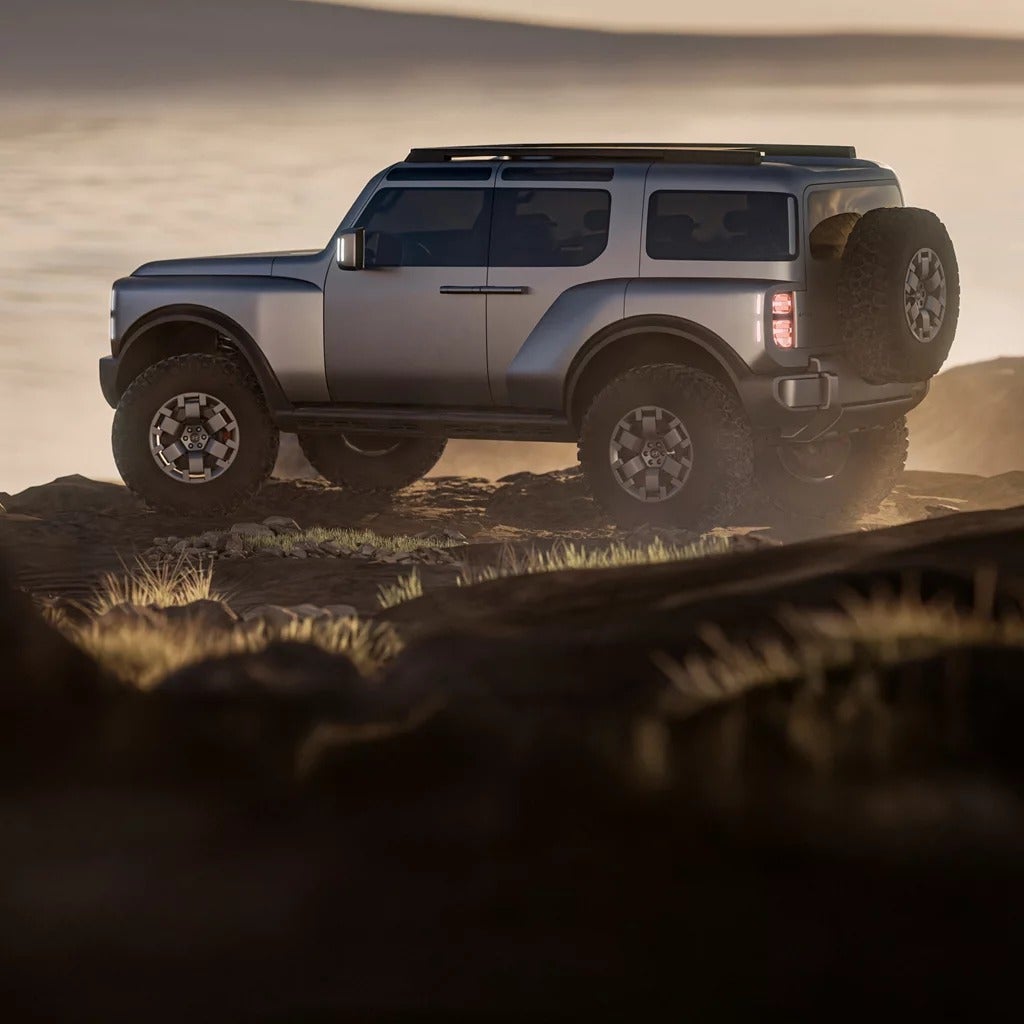
2027 Hyundai Palisade Vs 2027 Kia Telluride

2027 Hyundai Palisade

Three-row SUV shoppers in Olympia have two standout choices this year, and picking between them isn't easy. The 2027 Hyundai Palisade and 2027 Kia Telluride both pack serious family-hauling capability into handsome, well-built packages. If you're weighing the 2027 Kia Telluride vs Hyundai Palisade for your next vehicle, look past the surface and into the details that actually affect daily driving, whether that's a commute up I-5 or a weekend trip toward Mount Rainier. If you'd rather see one in person first, you can browse our new Palisade inventory before reading further.

2027 Hyundai Palisade Vs 2027 Kia Telluride: The Ultimate Three-Row Showdown

Both SUVs share corporate DNA, which is why the comparison stays close on paper. Get into powertrain, cabin execution, and how the two feel after two hours on the freeway, and the gap opens up. Our verdict after spending real time in both: the Palisade is the better three-row family SUV, and the reasons come down to how power is delivered, how the cabin treats you on a long drive, and how much genuine luxury Hyundai puts within reach at each trim level.

Powertrain and Performance: Why the Palisade's V6 and Hybrid Options Win

Engine choice shapes how an SUV feels every single day, whether you're merging onto the highway or hauling a trailer to the Cascades. This is where the Palisade and Telluride diverge most clearly.

Smooth V6 Power and Available Hybrid Efficiency

The Palisade SE and SEL trims run a 287-hp 3.5L GDI V6 producing 260 lb-ft of torque, paired with a smooth eight-speed automatic transmission. That naturally aspirated V6 delivers power in a linear, predictable way, which makes it a comfortable companion on long stretches of I-5 or winding roads out toward the Olympic Peninsula. For buyers who want more efficiency without giving up power, the Palisade Hybrid Calligraphy uses a 329-hp 2.5L turbocharged GDI 4-cylinder Hybrid engine paired with a six-speed transmission.

Towing matters a lot around here, whether you're launching a boat near Budd Inlet or pulling a camping trailer into the mountains. Every Palisade, gas or hybrid, comes standard with Tow Mode, 7-pin wiring harness pre-wiring, heavy-duty coolers, Trailer Sway Control, and rear self-leveling suspension. The gas V6 model tows up to 5,000 lbs with trailer brakes, or 1,650 lbs without them, while the Hybrid Palisade tows up to 4,000 lbs. HTRAC AWD is available across the lineup and adds Terrain Mode Select and Downhill Brake Control, both useful for wet Pacific Northwest roads, and the XRT PRO trim goes further with an electronic rear limited-slip differential for extra traction when conditions turn slick.

The Telluride's Turbocharged Four-Cylinder Tradeoff

The Telluride's gas engine is a 2.5L turbo four-cylinder rated at 274 hp and 311 lb-ft, towing up to 5,000 lbs. The Telluride Hybrid produces 329 hp and 339 lb-ft.

Those hybrid numbers should look familiar, because they're the same figures the Palisade Hybrid posts. Both brands use the same 2.5-liter turbo hybrid system, so there is no power advantage to be had in either direction. Efficiency lands close too: the Palisade Hybrid Blue FWD returns 33 city, 35 highway, and 34 combined, with the Limited and Calligraphy hybrids at 31/32/31 and AWD hybrids at 29/31/30. The gas Palisade V6 comes in at 19/26/22 with front-wheel drive and 18/24/20 with HTRAC.

Where the Telluride's turbo-four shows its tradeoff is in how the power actually arrives. Turbocharged four-cylinders often bring a touch of lag before boost kicks in, and under hard acceleration the engine note can get coarser than a naturally aspirated V6. The Palisade's V6 delivers power in a quieter, more linear way, and that's part of why so many families find it easier to live with day in and day out, especially when the SUV is loaded with passengers and gear.

A Quieter Ride Home

Refinement isn't only about the engine. Every Palisade carries self-leveling rear suspension, so a third row full of kids and a cargo hold full of gear don't leave the nose pointed at the sky on the way back from Ocean Shores. An acoustic windshield is standard on every trim, and Limited and above add acoustic glass front and rear, which quiets the cabin at the speeds you actually cruise on I-5. Combine that with a 0.31 drag coefficient and the Palisade is engineered to be calm at 70 mph, not just capable of it.

Interior Luxury, Comfort, and First-Class Seating

Once you're behind the wheel, the differences in cabin execution become just as important as anything under the hood.

Calligraphy Trim and Ergo Motion Seating

Spending ten minutes in a Palisade Calligraphy makes the trim's priorities obvious. The driver's seat alone tells the story: Premium Nappa leather, 8-way power adjustment, 4-way lumbar, Ergo-Motion, a leg cushion extension, and Relaxation Mode. That's a seat built for the third hour of a drive, not the first ten minutes of a test drive.

Here's what else comes standard on Calligraphy:

  • Second-row captain's chairs with wing-out headrests, heated and ventilated, which cradle a sleeping kid's head instead of letting it loll sideways for two hundred miles

  • A power-folding third row that reclines and slides, with heated outboard seats

  • A 12-inch color head-up display and a 12.3-inch digital cluster alongside the 12.3-inch touchscreen

  • 14-speaker Bose premium audio with Centerpoint and SoundTrue Enhanced Technology

  • A dual-pane sunroof, 21-inch alloy wheels, and 64-color ambient lighting through the doors and console

  • A built-in front-and-rear dash cam, Remote Smart Parking Assist, and a Surround View Monitor

  • Heated steering wheel, 3-zone climate, and 15W wireless charging

Kia reserves its Ergo-Motion driver's seat for select upper trims like the X-Line SX Prestige rather than offering it more broadly.

Flexible 7- and 8-Passenger Configurations

The Palisade offers 44.2 inches of front legroom, 43.0 inches in the second row (41.4 inches on the hybrid), and 32.1 inches in the third row. Seating flexes to match different family needs: the SE trim seats 8 with bench seating, SEL and above offer 7 passengers with captain's chairs (with 8-passenger configurations optional on SEL, SEL Premium, and Limited), while XRT PRO and Calligraphy are 7-passenger only. Cargo space grows from 19.1 cubic feet with all rows up to 46.3 cubic feet with the third row folded, and a generous 86.7 cubic feet with both rear rows folded flat.

Comfort features scale thoughtfully by trim, too. Heated front seats arrive standard from the SEL trim up, ventilated front seats and a heated steering wheel join at SEL Premium, heated and ventilated second-row seats appear on SEL Premium, Limited, and Calligraphy, and heated third-row seats show up on Limited and Calligraphy, a feature that's uncommon in this segment.

Technology, Safety, and Driver-Assistance Superiority

What matters most in a family SUV's tech isn't how it reads on a spec sheet, it's whether it actually works smoothly during the daily grind of school runs and road trips.

Dual 12.3-Inch Displays and Bluelink Connectivity

The Palisade pairs a 12.3-inch touchscreen with onboard navigation on every trim, joined by a 12.3-inch digital instrument cluster from SEL up. Bluelink connected services, a WiFi hotspot, and over-the-air software updates are standard across the lineup, with Hyundai Digital Key 2 Premium arriving at SEL Premium. Wireless Apple CarPlay and Android Auto are standard on every trim too, so you're not stepping up to get your phone to connect properly.

The Telluride counters with its ccNC system, which brings wireless CarPlay and Android Auto standard across the entire lineup, along with dual 12.3-inch screens, over-the-air software updates, and an AI voice assistant. Kia's SX trims add a second set of dual 12.3-inch displays, Meridian audio, a 360-degree camera, and Highway Driving Assist 2, while the SX Prestige adds a digital rearview mirror and a 12-inch head-up display.

Hyundai SmartSense Advantage Over Kia's Safety Suite

SmartSense comes standard on every Palisade trim, including Forward Collision-Avoidance Assist with pedestrian, cyclist, junction-turning and direct-oncoming detection, Lane Keeping Assist, Lane Following Assist 2, Highway Driving Assist, and Smart Cruise Control 2 with Stop and Go. Advanced Rear Occupant Alert, which uses a radar sensor rather than door logic to detect movement in the back seats, arrives at SEL. Calligraphy adds Highway Driving Assist 2 with lane-change assist, Remote Smart Parking Assist, evasive steering assist, and a built-in dual-camera dash cam.

The Telluride offers a comparable feature count, though Kia places several of its equivalents higher up the trim ladder.

Ownership Value: Coverage, Service, and What Comes After the Sale

Warranty coverage often gets overlooked until something goes wrong, and thankfully both brands back their vehicles similarly. Hyundai backs the Palisade with a 5-year/60,000-mile new vehicle limited warranty and a 10-year/100,000-mile powertrain warranty covering the engine, transmission, axle shafts, transfer case, turbocharger, and gaskets and seals. A 7-year/unlimited-mile anti-perforation warranty and a 1-year/12,000-mile parts and accessories warranty round things out. Hyundai also includes complimentary maintenance covering oil and filter changes and tire rotations for 3 years or 36,000 miles, so your first several service visits are handled before you've paid for one.

Kia's warranty structure is essentially a mirror image, with a matching 10-year/100,000-mile powertrain warranty and a 5-year/60,000-mile basic limited warranty. Neither brand numerically outdoes the other here. What sets the Palisade apart is the ownership experience around it. Bluelink+ connected services come standard with a WiFi hotspot and over-the-air software updates, so the vehicle improves after you buy it.

On our end, that means flexible financing you can start from home with our online credit application, a competitive appraisal on whatever you're driving now, and a service department staffed by Hyundai-trained technicians who see Palisades every week rather than occasionally.

Experience the 2027 Hyundai Palisade at Titus-Will Hyundai

Specs on a page only tell part of the story, and the V6's quietness under load is exactly the kind of thing you have to feel. Titus-Will Hyundai is a premier Hyundai dealership located at 2255 Carriage Loop SW in Olympia, Washington, serving the South Puget Sound community including Puyallup, Tacoma, and Chehalis. Our team knows this vehicle and this region, and we're ready to help you compare the Palisade against the Telluride in person. Reach out to contact Titus-Will Hyundai and schedule a test drive today.

Recommended Posts

2027 Hyundai Palisade

2027 Hyundai Palisade Vs 2026 Mazda CX-90

Families across the South Puget Sound have two strong three-row SUVs to weigh this year, and the choice isn't as simple as picking a badge. The 2027 Hyundai Palisade vs 2026 Mazda CX-90 comparison comes down to how each vehicle handles real life: hauling kids and gear to Priest Point Park, towing a boat toward Puget Sound, or grinding through the daily I-5 commute. If you want to see the Palisade up close before reading further, contact Titus-Will Hyundai and we'll get you behind the wheel. 2027 Hyundai Palisade Vs 2026 Mazda CX-90: The Ultimate Family SUV Showdown These two SUVs approach the family market from different directions. Hyundai builds the Palisade around space and comfort, backed by a warranty that holds up over years rather than months. Mazda tunes the CX-90 for driving engagement, pairing a rear-biased AWD setup with a turbocharged inline-six that rewards a spirited commute. Our verdict for families: the Palisade wins, and it isn't close on the measures that shape daily life. More passenger volume, more cargo in every configuration, a third row adults can actually use, and technology that works while you're moving. The CX-90 is the better car for a driver alone on a back road. The Palisade is the better vehicle for a family. Passenger Comfort and Cargo Capability: Real-World Space Wins Space is where a lot of family SUV decisions actually get made, and it's an area where the Palisade separates itself. Hyundai builds the Palisade to seat 7 with second-row captain's chairs or 8 with a second-row bench, giving families flexibility depending on how they load up for trips to Chehalis or weekend outings closer to home. Third-Row Comfort and Passenger Space Where It Counts The Palisade's third row seats adults. The CX-90's seats children. That sounds blunt until you put the numbers side by side. Third-row legroom runs 32.1 inches in the Palisade against 30.4 in the CX-90. The second row is where the gap widens: 43.0 inches versus 39.4, a 3.6-inch difference that decides whether a rear-facing car seat fits without the front passenger giving up their own legroom. Up front the Palisade leads 44.2 to 41.7. Total passenger volume tells the same story at scale. The Palisade measures 161.9 cubic feet by EPA standards. The CX-90 measures 141.6. Twenty cubic feet separates an SUV where three rows work from one where the third row exists on the order sheet. Both seat seven or eight depending on whether you take captain's chairs or a bench. Only one of them makes the back two rows somewhere you'd willingly put an adult for the drive to the Cascades. Cargo Capacity for Luggage, Gear and Road Trips Cargo tells the same story in every configuration. Behind all three rows, the Palisade holds 19.1 cubic feet against the CX-90's 14.9. Fold the third row, which is how most families drive most weeks, and it's 46.3 against 40.0. Fold everything and the Palisade opens to 86.7 cubic feet while the CX-90 tops out at 74.2. That last gap is 12.5 cubic feet, roughly the volume of two large suitcases. Loading camping gear for the Olympics or a weekend's luggage for Puget Sound, you feel it immediately. Powertrain Refinement, Towing and AWD Confidence Under the hood, both SUVs take distinct approaches. Hyundai focuses on smooth, dependable power delivery, while Mazda tunes its inline-six for a sportier driving feel. Hyundai Palisade's Smooth V6 and Turbo-Hybrid Power The standard Palisade engine is a 3.5L V6 producing 287 horsepower and 260 lb-ft of torque, paired with an 8-speed automatic transmission. A turbo-hybrid variant is also available, combining a 2.5L turbocharged engine with an electric motor for a combined 329 horsepower and 339 lb-ft of torque. HTRAC AWD is available across the lineup and standard on the XRT PRO trim, adding Terrain Mode Select and Downhill Brake Control, with the XRT PRO further adding an electronic rear limited-slip differential for extra traction. Towing capacity on gas V6 trims, from SE through XRT PRO and Calligraphy, reaches 5,000 lbs with trailer brakes, while the hybrid is rated at 4,000 lbs. That's enough for a boat launch on Puget Sound or hauling a camper toward the Cascades without hesitation. Mazda CX-90's Engine Options and Drive Feel Mazda offers a turbocharged 3.3L inline-six in two tunes. Turbo trims make 280 horsepower and 332 lb-ft; Turbo S trims reach 340 hp and 369 lb-ft, but only on premium fuel. Feed a Turbo S regular 87 octane and output drops to 319. The Palisade's V6 makes its 287 hp on regular, so there's no ongoing surcharge to think about. An 8-speed automatic and rear-biased i-ACTIV AWD give the CX-90 genuine backroad appeal, with towing from 3,500 to 5,000 lbs by trim. But the naturally aspirated Palisade V6 builds power linearly, so the transmission isn't hunting for boost when you merge onto I-5 fully loaded. On a school run, composed beats quick. Technology and Safety: Intuitive Controls vs. Control Friction Technology usability is another area where daily experience matters more than spec-sheet bragging rights. Hyundai's Dual Curved Displays and Wireless Connectivity Every 2027 Palisade comes with a 12.3-inch touchscreen, navigation, wireless Apple CarPlay and Android Auto, HD Radio, SiriusXM, and Dynamic Voice Recognition standard. Higher trims add dual curved 12.3-inch displays combining the cluster and infotainment screen, along with Digital Key 2 Premium as standard equipment. One practical distinction: Hyundai's touchscreen functionality remains available regardless of vehicle speed, so passengers or drivers at a stoplight can always interact with the screen directly. Mazda's Rotary Dial Interface Limitations The base CX-90 comes with a 10.25-inch display, smaller than the Palisade's standard 12.3-inch unit, though it does support CarPlay and Android Auto touch functionality. Mazda's owner's manual notes that the center display's touch capability is disabled while the vehicle is in motion for safety reasons, and functions that aren't grayed out can still be operated through the rotary commander switch while driving. That's a deliberate design choice on Mazda's part, but for families who want to adjust navigation or settings on the go without switching to a dial, Hyundai's always-on touch access is simply more convenient. Standard Safety on Every Trim On safety, Hyundai SmartSense comes standard on every Palisade, including Forward Collision-Avoidance Assist with pedestrian, cyclist and junction-turning detection, Lane Following Assist 2, Highway Driving Assist, and Smart Cruise Control 2 with Stop and Go. Advanced Rear Occupant Alert, which uses a radar sensor rather than door logic to detect movement in the back seats, arrives at SEL. For a household that regularly has a sleeping toddler in the third row, that distinction is worth understanding. Luxury Trim Offerings and Ownership Value For buyers considering the top trims, the comparison shifts toward luxury features and long-term value, two areas where the Palisade Calligraphy trim and Hyundai's warranty program stand out. Palisade Calligraphy Features and Premium Comforts The Calligraphy is where the Palisade stops competing with the CX-90 and starts competing with vehicles wearing luxury badges. The driver's seat makes the case on its own: Premium Nappa leather, 8-way power adjustment, 4-way lumbar, Ergo Motion, a leg cushion extension, and Relaxation Mode. That's a seat engineered for hour three, not the first ten minutes of a test drive. Standard on Calligraphy: Second-row captain's chairs with wing-out headrests, heated and ventilated, which cradle a sleeping child's head instead of letting it loll sideways for two hundred miles A power-folding third row that reclines and slides, with heated outboard seats A 12-inch color head-up display and 12.3-inch digital cluster alongside the 12.3-inch navigation touchscreen 14-speaker Bose premium audio with Centerpoint and SoundTrue Enhanced Technology A dual-pane sunroof, 21-inch alloy wheels, and 64-color ambient lighting through the doors and console A built-in front-and-rear dash cam, Surround View Monitor, and power-folding auto-dimming mirrors Heated steering wheel, 3-zone climate, and 15W wireless charging Remote Smart Park Assist rounds it out, moving the Palisade forward or backward from the key fob while you stand outside, which earns its keep in a tight Olympia parking garage. Hyundai Assurance Warranty Advantage Hyundai backs the Palisade with a 5-year/60,000-mile new vehicle limited warranty and a 10-year/100,000-mile powertrain warranty, plus 3 years or 36,000 miles of complimentary factory-scheduled maintenance. Mazda's coverage includes a 36-month/36,000-mile new vehicle limited warranty and a 60-month/60,000-mile powertrain warranty. Hyundai's powertrain term is double Mazda's, and the added maintenance coverage isn't something Mazda's factory warranty page offers. Why the 2027 Hyundai Palisade Wins for South Puget Sound Families For most families in Olympia, WA and the surrounding communities, the Palisade's extra cargo room, adult-friendly third-row seating, and stronger warranty coverage outweigh the CX-90's sportier handling. Families hauling camping gear to the Olympics or gear for a weekend on Puget Sound will appreciate the extra cubic feet and towing flexibility. Drivers who prioritize backroad handling near Yelm might still lean toward the CX-90's rear-biased tuning, but for the typical Puyallup or Tacoma family juggling school runs and sports practices between road trips, the Palisade's blend of space, easier tech, and long-term ownership value makes it the more practical daily choice. Schedule Your 2027 Hyundai Palisade Test Drive at Titus-Will Hyundai See It for Yourself Specs on a page only tell part of the story. The best way to judge third-row comfort, cargo flexibility, and that dual-screen display is to sit in the driver's seat yourself. You can browse new Palisade inventory once you know which trim fits your family, but the first step is getting behind the wheel. Get in Touch Reach out to our team at Titus-Will Hyundai in Olympia, WA to schedule a test drive, and see for yourself why the Palisade holds up so well against the CX-90 for South Puget Sound families.

2027 Hyundai Palisade

2027 Hyundai Palisade Vs 2026 Honda Pilot

If you're weighing the 2027 Hyundai Palisade Vs 2026 Honda Pilot, a handful of family questions probably matter most. Will everyone fit? Is it comfortable on the daily grind? What will fuel cost, and how does it handle a wet Olympia morning? We'll compare them head-to-head below. You can also browse our new inventory to see current Palisade models as you read. 2027 Hyundai Palisade vs 2026 Honda Pilot: Quick Verdict The Palisade is the better overall SUV, and the reason isn't subtle: it offers a powertrain the Pilot doesn't have. A 329-hp hybrid returning 34 mpg combined has no Honda answer in this segment, and for anyone running I-5 daily that single fact reshapes the ownership math. Start with the gas V6 models for a like-for-like baseline, since those are closely matched. Then look at the Palisade hybrid separately, because it changes the decision entirely. At-a-Glance Comparison Powertrain: The Palisade offers a 287-hp V6 or an available 329-hp hybrid system, while the Pilot has one 285-hp V6. Tech: Both offer a 12.3-inch touchscreen, and the Palisade adds available dual panoramic displays and a Bose 14-speaker system on select trims. Space: Both seat up to eight, with the Palisade ahead in second-row legroom and the Pilot slightly ahead in third-row legroom. Safety: Both come with a suite of driver-assistance features, Hyundai SmartSense on the Palisade and Honda Sensing® on the Pilot. Off-road: The Palisade XRT PRO and Pilot TrailSport both add all-terrain-minded hardware for rougher roads. Powertrain and Performance: V6 Power vs. 329-HP Turbo Hybrid The two V6 engines are closely matched on paper. The Palisade also adds a hybrid option the 2026 Pilot doesn't offer. Peak horsepower is only part of the picture, though. On I-5, how an SUV responds in traffic and settles on a long drive often matters more to families than a spec sheet number. Palisade Engine Options and Hybrid Efficiency The Palisade's 3.5-liter V6 makes 287 hp at 6,400 rpm and 260 lb-ft at 5,000 rpm, paired with an 8-speed automatic. The available 2.5-liter turbo-GDI hybrid combines a 258-hp gas engine with an electric motor for 329 hp and 339 lb-ft of total system output. It uses a 6-speed automatic and a 1.65 kWh lithium-ion battery. Both the V6 and the hybrid are Palisade options. Fuel economy is where the hybrid stands out. These are EPA estimates for city, highway, and combined driving: V6 FWD: 19/26/22 mpg. V6 AWD: 18/24/20 mpg. V6 XRT PRO AWD: 16/22/19 mpg. Hybrid Blue SEL and Blue SEL Premium FWD: 33/35/34 mpg, with an estimated 619-mile range on an 18.2-gallon tank. Hybrid Limited, Calligraphy, and Calligraphy Black Ink FWD: 31/32/31 mpg. Hybrid AWD configurations, including SEL, SEL Premium, Limited, Calligraphy, and Calligraphy Black Ink: 29/31/30 mpg. Actual mileage varies by driving conditions, trim, and drivetrain. Electric assistance can also make the Palisade feel more responsive at modest speeds, which helps around town. How the Pilot's 285-HP V6 Compares Every Pilot trim uses a 3,471-cc V6 with 285 hp and 262 lb-ft through a 10-speed automatic. It's a refined engine with conventional manners, and for a shopper who wants one engine and no decisions to make, that simplicity has value. It also means there's no efficiency option when gas prices move. EPA estimates for the Pilot are: 2WD Sport and EX-L: 19/27/22 mpg. AWD Sport, EX-L, Touring, Touring Blackout, Elite, and Black Edition: 19/25/21 mpg. TrailSport AWD: 18/23/20 mpg. Those track closely with the Palisade V6. The difference is what sits above them: the Palisade hybrid reaches 34 mpg combined, which the Pilot has nothing to answer with on a daily run toward Tacoma. Cabin Technology and Interior Comfort The Palisade delivers an integrated, upscale display experience. Honda takes a simpler route with a plainer dashboard and more physical controls, which some drivers prefer and which is worth testing for yourself. Where the Palisade pulls ahead is everything past the front row. Palisade's 12.3-Inch Touchscreen with Navigation and Available Dual Panoramic Displays The Palisade has a 12.3-inch touchscreen with onboard navigation, plus wireless Android Auto and Apple CarPlay. The available dual panoramic display pairs that screen with a 12.3-inch digital cluster. It's listed on SEL, SEL Premium, XRT PRO, Limited, Calligraphy, and Calligraphy Black Ink, but not SE. Comfort features climb with the trim. A Bose 14-speaker system is listed on XRT PRO, Limited, Calligraphy, and Calligraphy Black Ink. Calligraphy and Calligraphy Black Ink add Premium Nappa Leather and front and second-row relaxation modes. 64-color ambient lighting is listed on SEL Premium, XRT PRO, Limited, Calligraphy, and Calligraphy Black Ink. Availability varies by trim. Pilot's Infotainment and Cabin Layout The Pilot offers a 12.3-inch color touchscreen and a 10.2-inch digital instrument cluster on every trim, with Google built-in standard including three years of unlimited data for in-vehicle apps. Audio runs a 245-watt nine-speaker system on Sport, EX-L, and TrailSport, stepping up to a 12-speaker Bose setup from Touring and above. Both have big screens. What separates them is what surrounds those screens: Nappa leather, 64-color ambient lighting, and a 14-speaker Bose system on upper Palisade trims against the Pilot's more utilitarian approach. Space, Seating and Family Versatility Both SUVs can seat up to eight, but their strengths differ by row. Palisade vs Pilot size comes down to who sits where. The Palisade seats 7 or 8. The SE has 8, while SEL, SEL Premium, and Limited have 7 with an optional 8-seat configuration. XRT PRO, Calligraphy, and Calligraphy Black Ink have 7. Second-row captain's chairs are standard on SEL, SEL Premium, XRT PRO, Limited, Calligraphy, and Calligraphy Black Ink, and bench seating is standard on SE and optional on SEL, SEL Premium, and Limited. The Pilot seats 8 on Sport, EX-L, Touring, Touring Blackout, Elite, and Black Edition, and 7 on TrailSport. Its stowable, fold-flat second-row center seat is standard on EX-L, Touring, Touring Blackout, Elite, and Black Edition, which is a genuinely clever way to switch between eight seats and walk-through access without committing to either. The TrailSport goes the other direction with captain's chairs and seven seats. Legroom in inches, front, second row, and third row: Palisade: 44.2, 43.0 (41.4 for hybrid), and 32.1. Pilot: 41.0, 40.8, and 32.5. The Pilot takes the third row by four-tenths of an inch. The Palisade leads the front row by 3.2 inches and the second row by 2.2, which are the seats people actually occupy. Cargo, in cubic feet, is close. The Palisade has 19.1 behind the third row, 46.3 behind the second row, and 86.7 behind the front seats. The Pilot has 18.6 standard behind the third row, up to 21.8 on Sport and TrailSport and up to 22.4 on other trims. Behind the second row, the Pilot has 48.5 standard, up to 59.5 on Sport and TrailSport and up to 60.1 on other trims. Behind the first row, it has 87.0 standard, with a maximum of 111.8 to 113.7 depending on trim. Elite and Black Edition are 86.5 standard and 112.1 maximum. Which One Fits Your Household? School pickup goes easily in the Palisade thanks to its second-row comfort and captain's chairs. On road trips, its hybrid range and cabin features are what you'll notice. If you're hauling gear, check the Pilot's cargo figures against your actual load. And for towing a small trailer, confirm the needed equipment with our team. Safety: Hyundai SmartSense vs. Honda Sensing® Both SUVs offer substantial driver-assistance technology, and features vary by trim. The Palisade's standard Hyundai SmartSense includes Highway Driving Assist and Forward Collision-Avoidance Assist, along with Blind-Spot Collision Warning. Highway Driving Assist is useful on stop-and-go I-5 commutes. Honda Sensing on the Pilot includes the Collision Mitigation Braking System, Road Departure Mitigation, Adaptive Cruise Control with Low-Speed Follow, Lane Keeping Assist, and Traffic Sign Recognition, standard across the lineup. Both suites are thorough. Ask us which items come on the exact Palisade trim you're considering. Off-Road Capability: Palisade XRT PRO vs. Pilot TrailSport Neither is a dedicated off-roader. Both are family SUVs with added capability, which is plenty for gravel roads near Capitol Forest or a muddy trailhead in the rain. The Palisade XRT PRO runs HTRAC AWD with Terrain Mode Select and an electronic limited-slip differential, plus Ground View Monitor, front and rear recovery hooks, an integrated tow hitch, and 18-inch all-terrain tires. Ground clearance rises to 8.4 inches from the standard Palisade's 7.4. The Pilot TrailSport counters with 265/60R18 rugged-terrain tires, off-road-tuned suspension, and 8.3 inches of unladen clearance. Its real differentiators are Trail Torque Logic, underbody skid plates with a front recovery point, a hitch receiver doubling as a rear recovery point, and a full-size spare. TrailWatch and the Trail and Sand modes reach Touring and above, so those aren't TrailSport-specific. The XRT PRO still holds the harder card: an electronic limited-slip differential the Pilot doesn't offer at any trim. Why the Palisade Is the Better Overall SUV The case rests on a combination: an available 329-hp hybrid returning 33/35/34 mpg on Blue SEL FWD, a cabin that reaches genuinely premium at Calligraphy, and comfort features that scale further down the lineup than Honda's do. The Pilot answers with cargo packaging and a clever removable middle seat, and if those are your priorities it's the right SUV. For most households weighing power, efficiency, and cabin quality together, the Palisade is the stronger buy. Here are a few notes on trim fit. Families who mostly commute and haul kids will likely enjoy the mid-level SEL and SEL Premium trims with second-row captain's chairs. Adventure-minded households in the Pacific Northwest should look at the XRT PRO. Compare similarly equipped trims before judging value. Schedule a Palisade Test Drive at Titus-Will Hyundai The spec sheets take you only so far. Come drive the Palisade with the passengers and gear you haul every week, and take the gas V6 and the hybrid back to back so you can feel what that 329-hp system does off the line. Schedule your test drive online or call 360-515-7291. We're at 2255 Carriage Loop SW in Olympia, and we'll have the trim you want pulled up and ready when you arrive.

2027 IONIQ 9 vs 2026 Kia EV9

Three-row electric SUVs have become the default family vehicle across the South Puget Sound, and two options keep coming up in showroom conversations: the 2027 Hyundai IONIQ 9 and the 2026 Kia EV9. Both ride on Hyundai Motor Group's E-GMP platform, but they translate that shared foundation very differently. Those differences in range, power, comfort, and cargo space matter once you're commuting on I-5 between Olympia and Tacoma, waiting in a ferry line, or loading up for a family road trip over the mountains. Below is a category-by-category breakdown. Note that IONIQ 9 specifications come from Hyundai Motor Company's preliminary press materials and may change slightly before official launch. Performance and Driving Dynamics The IONIQ 9 comes in three configurations: a RWD model rated at 215 hp, a Long Range AWD version at 303 hp, and a Performance AWD Calligraphy Black Ink dual-motor variant delivering 422 hp and 516 lb-ft of torque. That top-end output gives the IONIQ 9 a clear advantage when merging onto I-5 or climbing the grades around the South Puget Sound. The EV9 tops out at 379 hp, still strong for a three-row SUV, and it delivers confident, predictable handling in everyday driving. It's a well-balanced vehicle for commuting and highway stretches alike. But for buyers who want the most power and acceleration headroom, the IONIQ 9's Performance trim is in a different class. Both SUVs are built on Hyundai Motor Group's 800-volt-capable E-GMP fast-charging architecture, so the performance gap comes down to how the IONIQ 9 puts that shared foundation to work through its motor and battery tuning, where its Performance AWD trim pulls ahead. Range and Charging Speed For Pacific Northwest drivers dealing with rainy-season driving, hilly terrain, and long stretches between charging stops, range and charging speed often decide the purchase. The IONIQ 9's RWD model is EPA-estimated at up to 335 miles, while the EV9's Light Long Range trim tops out at 305 miles. That 30-mile gap can matter on longer family trips or when cold weather trims range in the winter months. Charging speed is a strength for both. Each uses the 800-volt-capable E-GMP fast-charging architecture and can charge at up to 350 kW, taking the IONIQ 9 from 10% to 80% in roughly 24 minutes on a suitable DC fast charger, so you spend less time plugged in and more time on the road. Towing Capability Both SUVs are rated to tow up to 5,000 lbs, the EV9 with its optional tow package and the IONIQ 9 with AWD configurations. The IONIQ 9 adds an intelligent trailer mode that adjusts predicted range based on the load you're pulling, a useful feature for anyone hauling a boat or camper to the coast or up to the mountains. Cargo Capacity and Storage Flexibility The IONIQ 9 offers 21.9 cu ft of cargo space behind the third row, 46.7 cu ft behind the second row, and 86.9 cu ft behind the first row with all seats folded. The EV9 offers 81.7 cu ft behind the first row. Even with all seats in use, the IONIQ 9 simply holds more. For families hauling gear alongside a full passenger load, sports equipment, luggage, a Costco run, that extra room adds up. Passenger Comfort and Seating The IONIQ 9 pulls ahead noticeably here. It seats six or seven passengers, and both the first and second rows feature Relaxation Seats with power reclining, plus heating and ventilation. The second row can swivel to face rearward passengers on Ultimate and Calligraphy trims, and on the Calligraphy 6-Seat trim the third row is heated as well, genuinely useful features for families on long drives. Dynamic Body Care adds touch massage functionality to the front seats, something you won't find on the EV9. The EV9 counters with its own reclining rear seats and thoughtful interior storage, and it remains a comfortable vehicle for families. But the depth of comfort features in the IONIQ 9, particularly across all three rows, gives it a real edge for anyone who spends a lot of time behind the wheel or values keeping passengers comfortable on long trips. Technology and Infotainment The IONIQ 9 features dual 12.3-inch curved displays, a 10-inch head-up display, and a digital rearview mirror, paired with Bluelink Connected Car Services, wireless Apple CarPlay and Android Auto, wireless charging, and a digital key. Audio comes standard with an 8-speaker system, with a 14-speaker Bose setup available. The cabin includes seven USB-C ports, two 12-volt ports, and an available 120-volt outlet, along with a panoramic sunroof and a headliner made from corn-derived eco-suede. The EV9 offers a more traditional infotainment layout, with a 12-inch head-up display on the GT-Line trim that is larger than the Ioniq 9's 10-inch HUD. It's a capable, well-equipped system, though the Ioniq 9's dual 12.3-inch curved displays create an immersive and easy-to-navigate experience, especially for drivers who want information at a glance rather than buried in menus. Why the IONIQ 9 Is the Smarter Choice Put simply, the IONIQ 9 outperforms the EV9 in the categories that matter most for South Puget Sound families: more range at 335 miles versus 305, comparable fast-charging capability thanks to shared 800-volt architecture, more usable cargo space, and a deeper suite of comfort features across all three rows. Its Performance AWD trim also offers significantly more power for drivers who want it. The EV9 remains a solid, well-built three-row EV, and its towing capability and interior storage solutions are genuinely competitive. But for buyers weighing range anxiety on I-5 commutes, ferry wait times, or family trips over the mountains, the IONIQ 9's longer range makes it the more practical daily driver. Add in Hyundai's 10-year/100,000-mile powertrain warranty, and it's an easy recommendation for most buyers in this segment. The 2027 IONIQ 9 starts at an MSRP of $58,955, and our team can walk you through pricing across the trim lineup. Schedule Your Test Drive The best way to feel the difference between these two SUVs is to get behind the wheel. We invite you to contact Titus-Will Hyundai and schedule your test drive of the 2027 IONIQ 9. Our team can walk you through trim options, financing programs, including special offers for military personnel, first responders, and recent college graduates, and help you find the right configuration for your family's needs across Olympia, Tacoma, Puyallup, and Chehalis.