
Blog / Olympia Hyundai Dealer

Blog

All Olympia Hyundai Dealer Olympia

2027 IONIQ 9 vs 2026 Kia EV9

Three-row electric SUVs have become the default family vehicle across the South Puget Sound, and two options keep coming up in showroom conversations: the 2027 Hyundai IONIQ 9 and the 2026 Kia EV9. Both ride on Hyundai Motor Group's E-GMP platform, but they translate that shared foundation very differently. Those differences in range, power, comfort, and cargo space matter once you're commuting on I-5 between Olympia and Tacoma, waiting in a ferry line, or loading up for a family road trip over the mountains. Below is a category-by-category breakdown. Note that IONIQ 9 specifications come from Hyundai Motor Company's preliminary press materials and may change slightly before official launch. Performance and Driving Dynamics The IONIQ 9 comes in three configurations: a RWD model rated at 215 hp, a Long Range AWD version at 303 hp, and a Performance AWD Calligraphy Black Ink dual-motor variant delivering 422 hp and 516 lb-ft of torque. That top-end output gives the IONIQ 9 a clear advantage when merging onto I-5 or climbing the grades around the South Puget Sound. The EV9 tops out at 379 hp, still strong for a three-row SUV, and it delivers confident, predictable handling in everyday driving. It's a well-balanced vehicle for commuting and highway stretches alike. But for buyers who want the most power and acceleration headroom, the IONIQ 9's Performance trim is in a different class. Both SUVs are built on Hyundai Motor Group's 800-volt-capable E-GMP fast-charging architecture, so the performance gap comes down to how the IONIQ 9 puts that shared foundation to work through its motor and battery tuning, where its Performance AWD trim pulls ahead. Range and Charging Speed For Pacific Northwest drivers dealing with rainy-season driving, hilly terrain, and long stretches between charging stops, range and charging speed often decide the purchase. The IONIQ 9's RWD model is EPA-estimated at up to 335 miles, while the EV9's Light Long Range trim tops out at 305 miles. That 30-mile gap can matter on longer family trips or when cold weather trims range in the winter months. Charging speed is a strength for both. Each uses the 800-volt-capable E-GMP fast-charging architecture and can charge at up to 350 kW, taking the IONIQ 9 from 10% to 80% in roughly 24 minutes on a suitable DC fast charger, so you spend less time plugged in and more time on the road. Towing Capability Both SUVs are rated to tow up to 5,000 lbs, the EV9 with its optional tow package and the IONIQ 9 with AWD configurations. The IONIQ 9 adds an intelligent trailer mode that adjusts predicted range based on the load you're pulling, a useful feature for anyone hauling a boat or camper to the coast or up to the mountains. Cargo Capacity and Storage Flexibility The IONIQ 9 offers 21.9 cu ft of cargo space behind the third row, 46.7 cu ft behind the second row, and 86.9 cu ft behind the first row with all seats folded. The EV9 offers 81.7 cu ft behind the first row. Even with all seats in use, the IONIQ 9 simply holds more. For families hauling gear alongside a full passenger load, sports equipment, luggage, a Costco run, that extra room adds up. Passenger Comfort and Seating The IONIQ 9 pulls ahead noticeably here. It seats six or seven passengers, and both the first and second rows feature Relaxation Seats with power reclining, plus heating and ventilation. The second row can swivel to face rearward passengers on Ultimate and Calligraphy trims, and on the Calligraphy 6-Seat trim the third row is heated as well, genuinely useful features for families on long drives. Dynamic Body Care adds touch massage functionality to the front seats, something you won't find on the EV9. The EV9 counters with its own reclining rear seats and thoughtful interior storage, and it remains a comfortable vehicle for families. But the depth of comfort features in the IONIQ 9, particularly across all three rows, gives it a real edge for anyone who spends a lot of time behind the wheel or values keeping passengers comfortable on long trips. Technology and Infotainment The IONIQ 9 features dual 12.3-inch curved displays, a 10-inch head-up display, and a digital rearview mirror, paired with Bluelink Connected Car Services, wireless Apple CarPlay and Android Auto, wireless charging, and a digital key. Audio comes standard with an 8-speaker system, with a 14-speaker Bose setup available. The cabin includes seven USB-C ports, two 12-volt ports, and an available 120-volt outlet, along with a panoramic sunroof and a headliner made from corn-derived eco-suede. The EV9 offers a more traditional infotainment layout, with a 12-inch head-up display on the GT-Line trim that is larger than the Ioniq 9's 10-inch HUD. It's a capable, well-equipped system, though the Ioniq 9's dual 12.3-inch curved displays create an immersive and easy-to-navigate experience, especially for drivers who want information at a glance rather than buried in menus. Why the IONIQ 9 Is the Smarter Choice Put simply, the IONIQ 9 outperforms the EV9 in the categories that matter most for South Puget Sound families: more range at 335 miles versus 305, comparable fast-charging capability thanks to shared 800-volt architecture, more usable cargo space, and a deeper suite of comfort features across all three rows. Its Performance AWD trim also offers significantly more power for drivers who want it. The EV9 remains a solid, well-built three-row EV, and its towing capability and interior storage solutions are genuinely competitive. But for buyers weighing range anxiety on I-5 commutes, ferry wait times, or family trips over the mountains, the IONIQ 9's longer range makes it the more practical daily driver. Add in Hyundai's 10-year/100,000-mile powertrain warranty, and it's an easy recommendation for most buyers in this segment. The 2027 IONIQ 9 starts at an MSRP of $58,955, and our team can walk you through pricing across the trim lineup. Schedule Your Test Drive The best way to feel the difference between these two SUVs is to get behind the wheel. We invite you to contact Titus-Will Hyundai and schedule your test drive of the 2027 IONIQ 9. Our team can walk you through trim options, financing programs, including special offers for military personnel, first responders, and recent college graduates, and help you find the right configuration for your family's needs across Olympia, Tacoma, Puyallup, and Chehalis.

2026 Hyundai Venue Vs Nissan Kicks

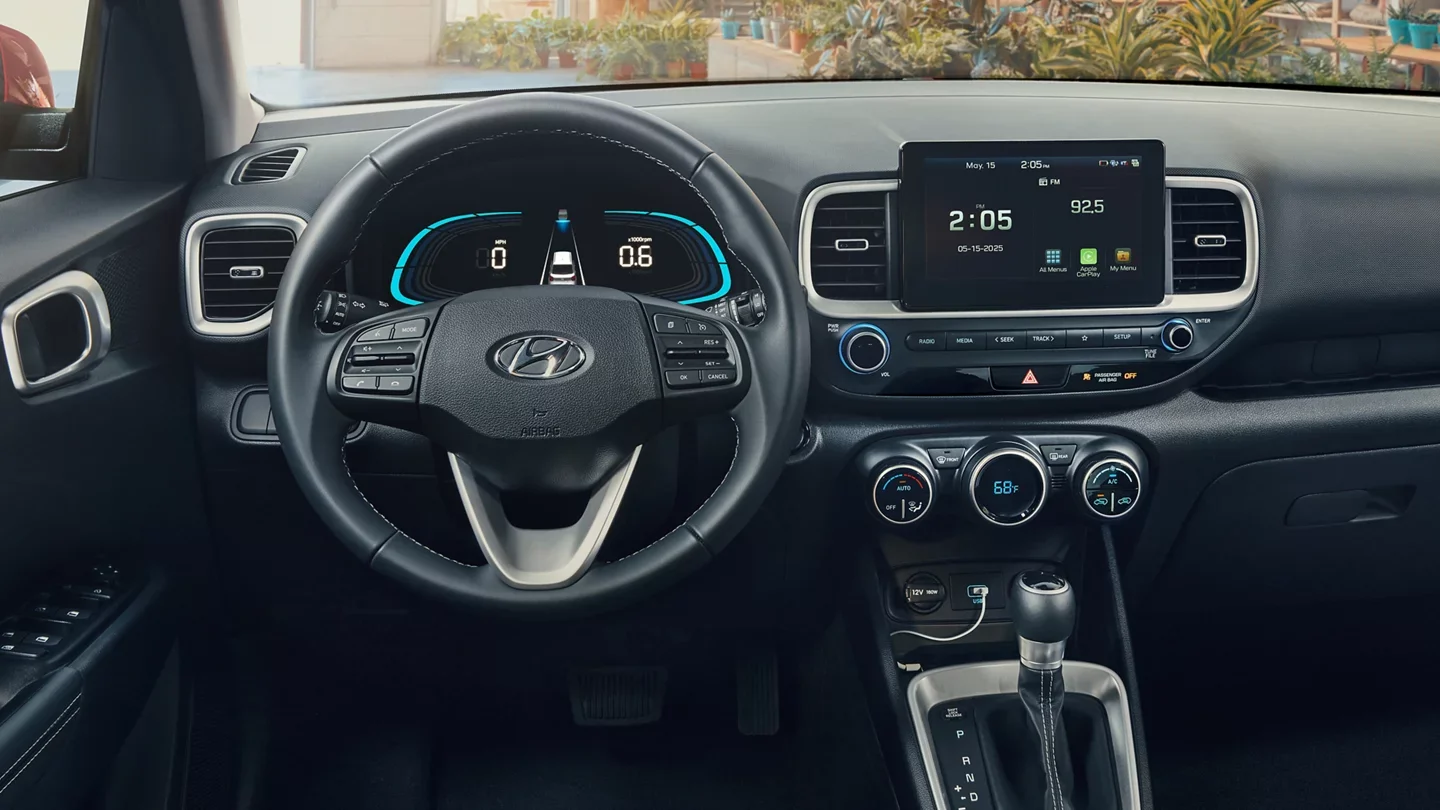
Choosing a subcompact SUV feels straightforward until you actually start comparing your options side by side. The 2026 Hyundai Venue vs Nissan Kicks debate comes up often among buyers who want a dependable, comfortable daily driver with solid features. Both vehicles compete in the same space but take noticeably different approaches, and for most real-world shoppers in the Olympia area, the Venue consistently earns the edge. We put both vehicles through a detailed comparison so you can make a confident decision before you visit us at Titus-Will Hyundai. Performance: How These Two Subcompact SUVs Stack Up Daily driving is where subcompact SUVs prove their worth. The Venue and the Kicks handle that reality quite differently. Hyundai Venue Engine and Drive Quality The 2026 Hyundai Venue runs a 1.6-liter four-cylinder engine producing 121 hp and 113 lb-ft of torque, paired with a CVT and FWD. EPA fuel economy comes in at 29 mpg city, 33 mpg highway, and 31 mpg combined. That focus on efficiency pays off in city environments where stop-and-go traffic is constant. The Venue stays composed, easy to steer, and comfortable without demanding much effort from the driver. For anyone commuting through urban streets, working through tight parking garages, or running errands around Olympia, that kind of balanced drive quality matters far more than peak horsepower figures. Nissan Kicks Performance: Where It Falls Short The Nissan Kicks steps up with a 2.0-liter four-cylinder producing 141 hp and 140 lb-ft of torque, also paired with a CVT. FWD models return 28 mpg city, 35 mpg highway, and 31 mpg combined. AWD models come in at 30 mpg combined. If you frequently need to merge at speed or cruise longer distances, the Kicks has a real edge in outright power and highway fuel economy. The extra power, though, doesn't automatically make it a better car to live with day to day. In stop-and-go city traffic, the Kicks can feel less refined than the Venue's lighter, easier-to-manage setup. Drivers who spend most of their time in city conditions will likely notice the difference. Cargo Capacity and Everyday Practicality Subcompact SUV comparisons almost always come down to how useful the vehicle feels in daily life. To be straightforward: the Nissan Kicks leads on raw cargo volume. FWD Kicks models offer up to 30 cu ft behind the rear seats and up to 60 cu ft with the seats folded. AWD models land between 23.9 and 50.1 cu ft depending on configuration. The 2026 Hyundai Venue offers 18.7 cu ft behind the rear seats and 31.9 cu ft with the seats folded. Those numbers are smaller, and it is worth acknowledging that honestly. For buyers hauling large loads regularly, the Kicks has a genuine advantage. The Venue's cargo space handles the typical daily load with ease, whether that means groceries and gym bags or a weekend's worth of gear. Its compact footprint also makes it far more maneuverable in tight South Puget Sound parking lots and city streets, which adds up over the course of daily use. Towing Capacity: A Closer Look at What Each Can Handle Neither the Venue nor the Kicks is designed with towing in mind. Hyundai and Nissan both position these as commuter-oriented crossovers built for city and suburban driving, not hauling trailers. Buyers looking for towing capability will need to look at a larger segment. For the South Puget Sound driver whose priorities are fuel efficiency, easy parking, and reliable daily transportation, neither vehicle's lack of towing focus is a meaningful drawback. Technology, Safety, and Infotainment Features Tech and safety features in subcompact SUVs have become a genuine buying factor, and a close look at the specs shows that the Venue and the Kicks take meaningfully different approaches. Hyundai Venue Tech Features and Safety The 2026 Hyundai Venue comes equipped with Hyundai SmartSense, which includes forward collision warning, automatic emergency braking, and lane departure assist as standard safety features. Blind-spot monitoring and rear cross-traffic alert are available on the SEL trim. The infotainment setup includes wireless smartphone integration and Bluetooth connectivity with an easy-to-use interface designed to minimize distraction. Everything is easy to access without digging through menus, which is exactly what you want when working through busy commuter roads. For everyday drivers who want connected features without a learning curve, the Venue's tech setup hits the right balance. How the Kicks Compares on Tech and Safety The Nissan Kicks counters with Nissan Safety Shield 360 standard across all trims. That package covers blind-spot warning, rear cross-traffic alert, and automatic emergency braking with pedestrian detection. Getting that full suite on every trim level without needing to step up is a genuine strength, and it is worth recognizing. Where the Venue asks buyers to choose the SEL trim for blind-spot coverage, the Kicks delivers it from the base model up. The Kicks also offers larger display options and available premium audio, which may appeal to buyers who want a more feature-rich setup. A more complex system can become a distraction rather than a benefit during daily driving, though, and the Venue's essentials-focused approach suits drivers who want straightforward functionality. The Verdict: Why the 2026 Hyundai Venue Is the Better Buy Looking at the full picture, the Venue holds up well across the categories that shape everyday ownership. The Kicks genuinely leads on engine power, cargo volume, and standard safety coverage. That has been stated clearly throughout, because a fair comparison is more useful than a one-sided one. For most South Puget Sound buyers, the Venue's strengths line up more closely with how subcompact SUVs actually get used. Here is how we would break it down by buyer scenario: If you commute daily through Olympia or surrounding areas, the Venue's city mpg advantage and lighter, more maneuverable feel make it the easier car to live with. If easy parking and tight urban maneuvering matter to you, the Venue's compact dimensions are a consistent practical advantage. If you carry everyday loads like groceries, gear, or family cargo, the Venue's 18.7 cu ft of cargo space handles the typical haul without issue. If long-term ownership cost and reliability peace of mind are priorities, Hyundai's warranty coverage is notably strong: a 5-year/60,000-mile bumper-to-bumper and 10-year/100,000-mile powertrain protection (for the original owner) that goes well beyond what most competitors in this segment offer. The Venue's available safety suite, its fuel efficiency, and Hyundai's industry-leading warranty make it the more compelling long-term ownership package for the majority of buyers who walk through our doors. If you have questions about how the two vehicles compare on a specific feature or want to talk through which trim fits your situation, contact our team and we will walk you through it. Schedule a Test Drive at Titus-Will Hyundai Reading a comparison only takes you so far. The best way to understand what the 2026 Hyundai Venue offers is to get behind the wheel yourself. At Titus-Will Hyundai, located at 2255 Carriage Loop SW in Olympia, Washington, you can schedule a test drive and experience the Venue's performance, comfort, and features in real-world conditions. We serve drivers across the South Puget Sound region, including Puyallup, Tacoma, Chehalis, and the communities in between, and carry an extensive inventory of new and used Hyundai vehicles. Our sales team is here to answer your questions without pressure. We also offer special programs for military personnel and spouses, college graduates, first responders, and customers with mobility needs. Showroom hours run Monday through Friday from 9 AM to 8 PM, Saturday from 9 AM to 7 PM, and Sunday from 10 AM to 6 PM. Stop in and see the Venue for yourself.

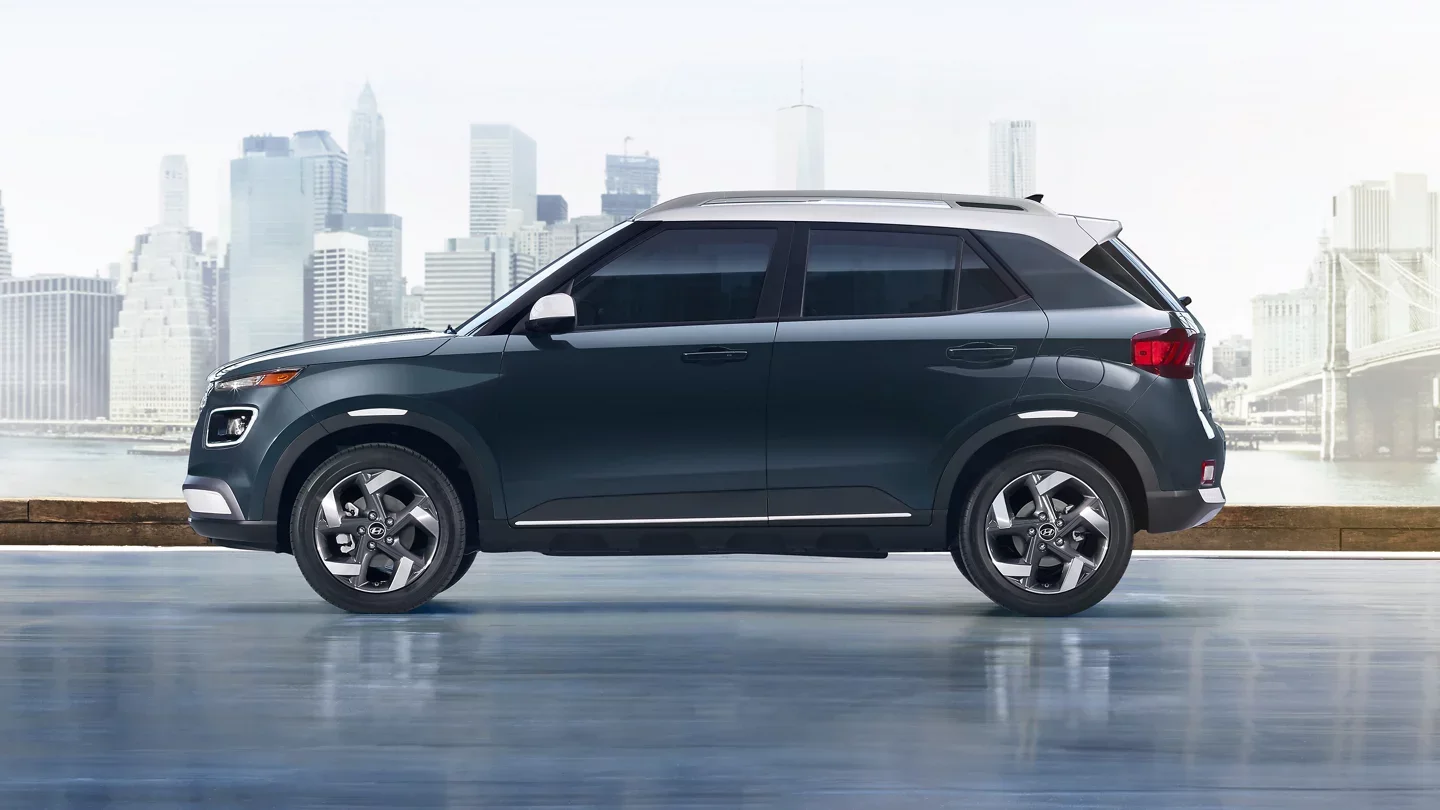
2026-venue-0105-vlp_16-9

2026 Hyundai Venue vs Kia Seltos

Choosing a subcompact SUV gets tricky when two solid options sit right next to each other on paper. The 2026 Hyundai Venue and the 2026 Kia Seltos are exactly that kind of pairing. Both target drivers who want an efficient, practical vehicle without paying for more than they actually need. Look closer, though, and the differences become clear, and those differences matter depending on how and where you drive. The Seltos leans into size and power, pitching itself to drivers who want more room and capability. The Venue takes a different approach, offering a refined, accessible package built around ease of use and everyday value. Neither is a bad choice, but one tends to fit daily life better for most buyers. Feel free to browse our current inventory or reach out to our team at Titus-Will Hyundai before diving in. Performance and Powertrain: How Each SUV Drives Day to Day Most people spend their driving time in rush-hour traffic, crowded parking lots, and neighborhood streets. That's the context that really matters when evaluating these two vehicles. 2026 Hyundai Venue: Nimble, Efficient, and City-Ready The Venue runs a 1.6-liter inline-four producing 121 hp and 113 lb-ft of torque, paired with a continuously variable automatic transmission. Hyundai engineered it with urban environments in mind, and the powertrain reflects that. The engine is tuned for consistent, low-stress performance in the stop-and-go driving most people do every day. At 159.1 inches long, the compact body makes working through tight city blocks or crowded parking structures feel effortless rather than stressful, and that smaller footprint translates directly to lower fuel consumption over time. 2026 Kia Seltos: More Output, but With Trade-Offs The Seltos steps up to a 2.0-liter inline-four producing 147 hp and 132 lb-ft of torque. That extra output can be appealing for longer highway trips or carrying heavier loads, and the Seltos does offer available AWD for buyers who want all-weather capability. The trade-offs are real, though. The Seltos measures 172.6 inches long, roughly 13.5 inches longer than the Venue, and its heavier curb weight makes it feel bulkier in dense urban settings. For buyers whose daily routine involves city driving, that extra size adds up in ways that go beyond fuel costs alone. Cargo and Towing Capacity: Making the Most of Your Space On the surface, the Seltos wins the cargo competition simply because it's bigger. It offers 26.6 cu ft of cargo space behind the rear seats and expands to 62.8 cu ft with the seats folded, which matters if you're hauling groceries for a large family, packing for road trips, or regularly moving bulky items. For buyers who need that extra room, the Seltos has a clear advantage. The Venue holds 18.7 cu ft behind the rear seats and 31.9 cu ft with the seats folded. Those figures work comfortably for a single driver or small household managing everyday cargo needs. The compact design also makes loading and unloading easier in tighter spaces like urban parking garages or narrow driveways, so while it offers less total volume, it doesn't waste what it has. On towing, neither vehicle is positioned for regular trailering duty in U.S.-market materials. Buyers who need to tow frequently should look at a larger SUV or a truck better suited to that task. Technology and Connectivity: Where the Venue Pulls Ahead This is where the Venue separates itself. Wireless Apple CarPlay and Android Auto come standard across all trims, so you get reliable smartphone connectivity without paying your way up the trim ladder. The standard 8.0-inch touchscreen display is included on every trim, keeping the interface consistent and accessible without requiring upgrades. On the safety side, the Venue comes with Forward Collision-Avoidance Assist, Lane Keeping Assist, and Driver Attention Warning. Having that kind of coverage without requiring a premium configuration is a real benefit for most buyers, not just a checkbox item. The Seltos does offer larger displays and competitive tech options, but many of its best equipment choices require moving up to higher trim levels, which adds cost and complexity to the buying process. For buyers who want a well-connected, safety-equipped vehicle without sorting through a lengthy options menu, the Venue's straightforward setup is a genuine advantage. If you have questions about how the Venue's technology compares for your specific needs, contact our team at Titus-Will Hyundai and we'll walk you through it. Why the 2026 Hyundai Venue Is the Smarter Buy When you step back and look at the full picture, the Venue holds up well against the Seltos in every category that matters most for daily driving. The Seltos is a capable vehicle, and if maximum cargo space or raw power output is your top priority, it deserves serious consideration. For the majority of everyday buyers, though, the Venue is the stronger choice. A few specifics worth highlighting: Wireless Apple CarPlay and Android Auto come standard on every trim, so you're not paying extra for basic connectivity. An 8.0-inch touchscreen display comes standard on every trim, delivering a consistent connectivity experience across the lineup. Forward Collision-Avoidance Assist, Lane Keeping Assist, and Driver Attention Warning are available without climbing to a premium trim. At 159.1 inches long, roughly 13.5 inches shorter than the Seltos, the Venue is simply easier to park and move through congested streets. The 1.6-liter engine is built around the stop-and-go driving most owners actually do, rather than peak output numbers that rarely come into play. The overall package delivers solid value without asking buyers to pay for features that should have come standard. If you prioritize cargo volume or have regular passengers who need extra legroom, the Seltos is worth a serious look. But if your daily life looks like most people's, the Venue earns its price in practical ways every single day. Schedule Your 2026 Hyundai Venue Test Drive at Titus-Will Hyundai Experience the Venue in Person Reading about a vehicle only gets you so far. Getting behind the wheel is what turns a comparison into a decision. At Titus-Will Hyundai, you can experience the Venue firsthand and see exactly how it fits your driving style and daily routine. Visit Us in Olympia Located at 2255 Carriage Loop SW in Olympia, Washington, Titus-Will Hyundai serves drivers throughout the South Puget Sound region, including communities in Chehalis, Tacoma, and Puyallup. We carry a wide selection of new and pre-owned Hyundai vehicles, backed by a service center staffed by certified technicians and a team that takes the customer experience seriously. Special incentive programs are available for military personnel and spouses, first responders, college graduates, and customers with mobility needs. Schedule Your Test Drive Showroom hours run Monday through Friday from 9 AM to 8 PM, Saturday from 9 AM to 7 PM, and Sunday from 10 AM to 6 PM. Stop in, schedule a test drive, and find out why the Venue continues to win over practical-minded buyers across the region.

2022-venue-0001-vlp-grid_16-9

2026 Hyundai Venue Vs Chevrolet Trax

Finding the right subcompact SUV comes down to what you actually need day to day and how you plan to use it. Both the 2026 Hyundai Venue and the 2026 Chevrolet Trax target drivers who want fuel-efficient transportation without giving up modern features. Run a true side-by-side comparison, though, and clear differences start to emerge. The Venue is built around simplicity and everyday value. The Trax counters with a turbocharged engine and a roomier, more tech-forward cabin. On paper, both look like solid picks, but one of them delivers better overall value for most everyday drivers. If you want to skip ahead and see the Venue in person, browse our current inventory or stop by Titus-Will Hyundai in Olympia. Performance Face-Off: How Each SUV Handles Daily Driving Under the hood, these two SUVs take noticeably different paths. The Chevrolet Trax runs a 1.2L turbocharged three-cylinder producing 137 hp and 162 lb-ft of torque, paired with a six-speed automatic. Car and Driver testing puts its 0-60 mph time at approximately 8.8 seconds. For drivers who frequently handle highway on-ramps or want more confidence merging on South Puget Sound commutes, that turbocharged punch is easy to appreciate. The Hyundai Venue takes a different approach with its 1.6L naturally aspirated four-cylinder, producing 121 hp and 113 lb-ft of torque. It doesn't feel sluggish, but it's tuned for smooth, predictable power delivery rather than spirited acceleration. In stop-and-go Olympia traffic or tight surface streets, that steady, linear response actually works well in daily use. Its compact 159.1-inch length also makes parking noticeably easier in dense urban areas. On fuel efficiency, the Venue earns 31 mpg combined (29 city / 33 highway) based on EPA estimates for the 2026 model year. The Trax returns 30 mpg combined (28 city / 32 highway). The difference is modest, but over a year of regular commuting it adds up. For drivers who want weekend Pacific Northwest trips without constant fuel stops, that efficiency margin matters. Cargo Capacity and Towing: Which SUV Works Harder for You The Chevrolet Trax holds a clear edge in cargo capacity. Behind the rear seats, it offers 25.6 cu ft of cargo space, expanding to 54.1 cu ft with seats folded. Drivers who regularly haul gear for weekend trips or family outings will find that flexibility genuinely useful. The Hyundai Venue offers 18.7 cu ft behind the rear seats and 31.9 cu ft with seats folded. It handles groceries, a bag of sports gear, or everyday errands without issue. Where it falls short is in situations that demand consistent hauling capacity. If you're regularly transporting bulky equipment, the Venue's more modest footprint becomes noticeable. Neither vehicle is built for serious towing, which is typical across the subcompact segment. On sheer cargo utility, the Trax offers more room to grow. For urban drivers who keep cargo light and simple, though, the Venue's storage remains perfectly functional. Technology and Connectivity: A Tale of Two Approaches Technology is where the gap between these two vehicles becomes most visible. The Chevrolet Trax features an 11-inch touchscreen on higher trims, along with wireless Apple CarPlay and Android Auto. It also equips trims with a capable driver-assistance suite, making modern tech accessible without requiring buyers to upgrade significantly. The Hyundai Venue covers the essentials well. Standard features include an 8-inch touchscreen with wireless Apple CarPlay and Android Auto, plus Hyundai's SmartSense safety suite, which bundles Forward Collision-Avoidance Assist with pedestrian detection, lane keeping assist, and driver attention monitoring. The Trax's larger display does give it a more polished feel inside the cabin, but the Venue's standard wireless connectivity and safety coverage are meaningful advantages at its price tier. For tech-forward buyers, screen size matters. For drivers who want music, phone integration, and turn-by-turn directions without chasing the latest features, the Venue delivers solid, practical functionality at every trim level. What Makes the 2026 Hyundai Venue the Stronger Pick The Trax earns points in a few specific areas, but the Venue holds up more consistently across the categories that most buyers in this segment actually prioritize. A Distinctive Design With Practical Smarts The Venue's upright, boxy silhouette isn't just a style choice. That taller roofline creates better headroom and a more open cabin feel, especially for rear passengers. Easy ingress and egress, good visibility, and a compact footprint make it a natural fit for city driving. Drivers who want a no-fuss, everyday SUV will feel immediately at home. Value-Packed Features Across Every Trim The Venue delivers a well-equipped base trim without requiring buyers to climb several trim levels to feel well-served. Standard safety features, a comfortable ride, and wireless smartphone connectivity come included from the start. Even at entry-level configurations, the Venue feels like a fully considered vehicle rather than a stripped-down starting point. Hyundai also backs the Venue with America's Best Warranty: a 10-year/100,000-mile powertrain warranty that adds long-term confidence to the purchase. For first-time car buyers, recent graduates, or anyone managing a tight budget, that combination of coverage and affordability is hard to find in this segment. What the 2026 Chevrolet Trax Brings to the Table The Chevrolet Trax is a genuinely strong competitor. Its turbocharged engine makes daily driving more engaging, and the performance difference is noticeable on the road rather than just in spec sheets. Drivers who want a subcompact SUV that still feels responsive and confident will find the Trax satisfying. The spacious interior is another real advantage. With 25.6 cu ft behind the rear seats and 54.1 cu ft folded, it accommodates passengers and cargo more generously than most vehicles in its class. Wireless smartphone connectivity and a standard safety suite round out a capable package. Buyers who research across automotive outlets will find the Trax consistently earns praise for its interior value and driving feel. 2026 Hyundai Venue: The Better Fit for Most Drivers Weighed across performance, technology, cargo space, and overall value, the 2026 Hyundai Venue comes out ahead in the ways that matter most to everyday drivers. The Trax is the right choice for buyers who specifically want more power, a larger screen, or cargo flexibility for a growing family. For fuel-conscious urban commuters, first-time buyers watching their budget, and anyone who just wants a reliable car that doesn't require much fuss, the Venue addresses real needs more directly. It's efficient, easy to drive, well-equipped at every trim level, and backed by America's Best Warranty. That's a hard combination to beat at this price point. For most everyday drivers in Olympia and the surrounding area, the Venue is simply the smarter long-term investment. Have questions about how the two compare or want to talk through which fits your situation? Contact the Titus-Will Hyundai team and we're happy to help. Experience the 2026 Hyundai Venue at Titus-Will Hyundai Nothing replaces sitting behind the wheel. At Titus-Will Hyundai, located at 2255 Carriage Loop SW in Olympia, our team is ready to walk you through everything the 2026 Venue has to offer and answer any questions you have. We serve the South Puget Sound community including Tacoma, Puyallup, and Chehalis, with a full inventory of new and pre-owned Hyundai vehicles, certified technicians, genuine parts, and flexible financing options. Special programs are available for military personnel, first responders, college graduates, and customers with mobility needs. Stop by during showroom hours, Monday through Friday from 9 AM to 8 PM, Saturday from 9 AM to 7 PM, or Sunday from 10 AM to 6 PM, and schedule your test drive. Once you're in the seat, the choice tends to become a lot clearer.

Hyundai outdoors

Which Is More Luxurious, Hyundai or Kia?

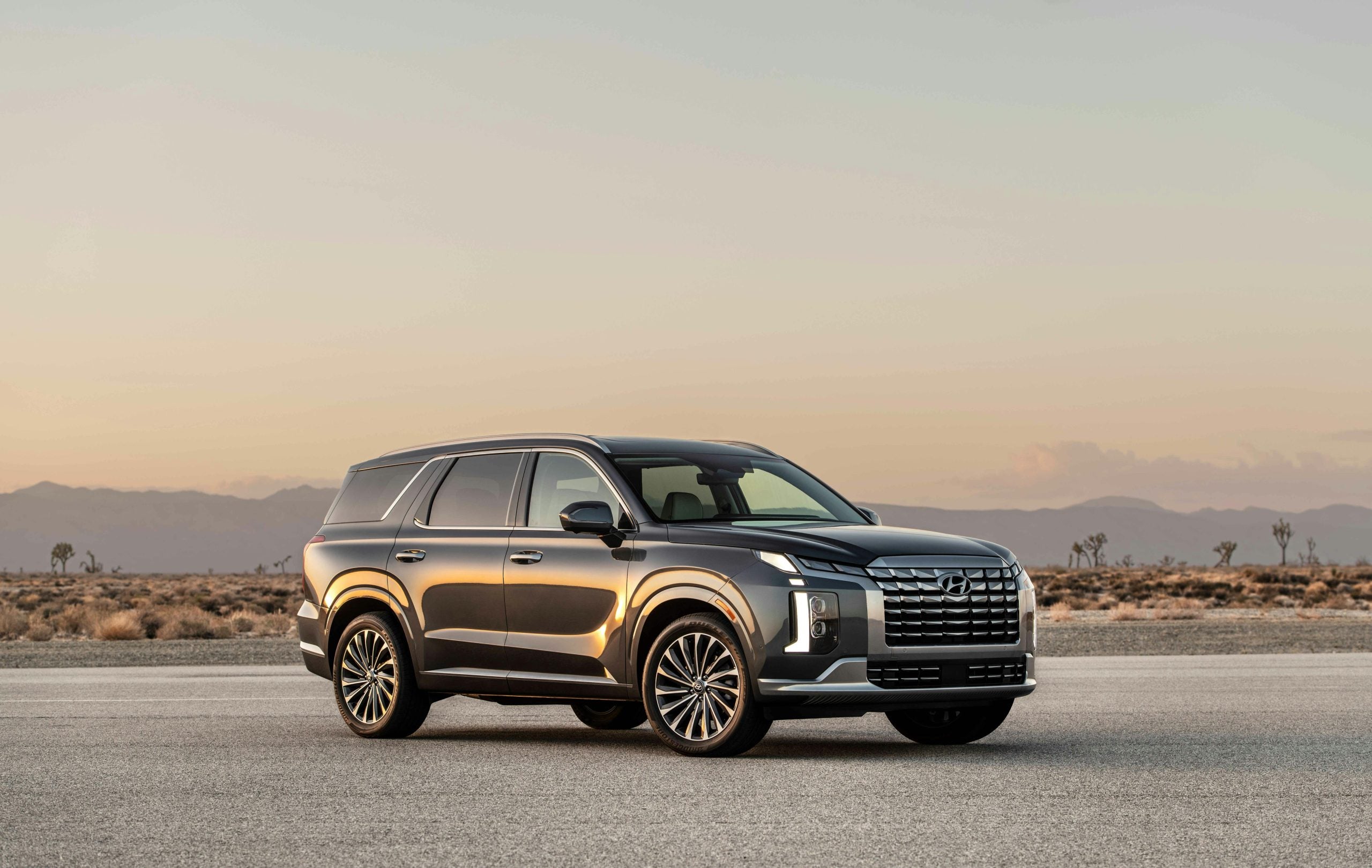
If you're in the market for a new vehicle, you might wonder which is more luxurious between Kia or Hyundai. Hyundai Motor Group owns both brands, yet each approaches luxury in its own way. Both Hyundai and Kia integrate luxury features and high-end materials into their top-tier models and trims, offering opulence within their existing lineup. Kia's styling is bold, while Hyundai stays elegant. The team at Titus-Will Hyundai compiled this guide to explain how Hyundai and Kia showcase luxury in their lineup to help you choose the model that best fits your lifestyle. Cabin Luxury and Premium Materials Comparison Parked Hyundai Palisade by Hyundai Motor Group is licensed with Pexels License Both Hyundai and Kia impress with luxurious cabin materials and design, but their styles are distinct. Hyundai interiors are elegant and comfort-focused. They showcase timeless styling and sophisticated materials. Trim-dependent features may include: Leather upholstery Quilted leather door panels Heated and ventilated second-row and third-row seats Power-adjustable seats with memory function Dual-panel sunroof Dual climate control Customizable ambient lighting Kia exudes athletic appeal in its interior design. They often include premium materials and bold design elements. Depending on the variant, features may include: Leather seat trim Syntex suede headliner Signature-embossed front seat headrests Heated and ventilated front seats Heated second-row seats Panoramic sunroof Dual-zone auto climate control Bold metallic interior trim Aluminium sport pedals In the Kia versus Hyundai interior comparison, each brand delivers the Hyundai Motor Group's renowned quality and luxury in its own way. When you compare interiors by vehicle class, the distinctions are even sharper. The compact Hyundai Elantra prioritizes refinement with available leather seating and an ergonomic interior design. The Kia Forte's interior stands out with contrast stitching and embossed GT-Line logos that emphasize its athletic design. Moving up to mid-size luxury sedans, the Hyundai Sonata offers spacious seating, including in the rear, and a minimalist dash layout. The Kia K5, in the same segment, provides a wide infotainment screen and driver-centric cockpit. In the ever-popular SUVs, the Hyundai Tucson highlights upscale features like customizable ambient lighting, whereas the Kia Sportage flaunts an adventurous feel with bold accents. At the three-row level, the Hyundai Palisade delivers quintessential luxury, while the Kia Telluride has rugged appeal. Technology and Infotainment Luxury Features Hyundai's technology combines practicality with elegance. Models feature large touchscreens with Apple CarPlay, Android Auto, and wireless connectivity for seamless control of navigation, media, and vehicle settings. The range-topping 2025 Palisade boasts a standard 12.3-inch curved panoramic display across the lineup. Hyundai digital instrument clusters display speed, fuel efficiency, and navigation directions for distraction-free driving. Hyundai BlueLink keeps you connected with remote start, over-the-air updates, and advanced safety features from your smartphone. The premium Bose surround-sound system delivers crystal-clear sound throughout the cabin. It's available on premium models, with the IONIQ 9 electric SUV and the upscale Palisade featuring up to 14 speakers. The mid-size Santa Fe SUV and Sonata sedan both come with 12 speakers and a subwoofer on high-end models. Kia counters with Kia Connect, offering remote vehicle monitoring, real-time traffic updates, and voice-activated controls. Family-centric features like multiple USB-C ports, wireless charging pads, and Wi-Fi capabilities provide power and connectivity on long trips. Models such as the Kia EV9, EV6, and Sorento feature 12.3-inch dual displays and premium audio systems from Meridian and Harman Kardon. While Kia impresses with its modern, sporty tech offerings, Hyundai's combination of larger, more advanced displays, a wider range of premium audio options, and seamless driver-focused integration keeps it a step ahead in luxury technology. Ride Quality and Luxury Performance Both brands focus on comfort and smooth performance. Hyundai models feature multi-link rear suspensions, electronically controlled dampers, and precision noise, vibration, and harshness control to keep your drive quiet, even on uneven terrain. Kia provides similar comfort with tuned suspensions, a reinforced chassis, and advanced soundproofing technology. Whether in the city or on an adventure, both brands provide responsive handling and a premium driving experience. Genesis Factor: Hyundai's Luxury Advantage Genesis began as Hyundai's premium division. In 2015, it became a standalone brand. It builds on Hyundai's luxury DNA and highlights the group's most premium offerings. Genesis vehicles combine elegant design, advanced technology, and a focus on driver comfort, with features such as 27-inch OLED displays and 26-speaker Bang and Olufsen sound systems. Many innovations from Genesis make their way into Hyundai models, improving the Hyundai brand overall. The design philosophy emphasizes sleek lines, sumptuous interiors, and upscale materials. High-end models like the G90 and GV80 showcase supreme luxury with spacious cabins and high-end safety technology. Genesis boosts Hyundai's reputation in the luxury market, offering strong resale value, comprehensive warranties, and generous maintenance programs. The Verdict: Which Brand Delivers More Luxury Value When choosing a luxury vehicle, what you value most makes all the difference. Hyundai prioritizes elegance, advanced technology, and comfort. Kia emphasizes bold design, athletic styling, and modern tech. Across sedans and SUVs, Hyundai models like the Palisade and Sonata deliver luxurious, feature-rich, and comfort-focused cabins, giving them a slight edge in 2025. Explore the Luxury of Hyundai Today Titus-Will Hyundai is proudly serving drivers across the Olympia, Washington, area. The award-winning Hyundai lineup is ready to impress. Whether you're seeking efficiency, luxury, or innovation, there's a Hyundai model designed for your specific driving lifestyle and budget. Visit us for a test drive and see why families who desire luxurious and reliable transportation choose Hyundai models. In the meantime, view our new vehicle specials to save on your purchase.

Dark-colored SUV driving through a desert landscape, kicking up dust at high speed under a clear blue sky.

2026 Hyundai Santa Cruz vs Ford Maverick: A Full Comparison

Drivers in Olympia, WA, shopping for a compact pickup will find the Hyundai Santa Cruz and the Ford Maverick rise to the top of their lists. Both vehicles have solid reputations for quality, performance, and comfort. Wondering which vehicle you should put in your driveway? Join us as we compare the Hyundai Santa Cruz and the Ford Maverick to help you decide. 2026 Model Year Updates: What's New for Both Trucks Hyundai refreshed the Santa Cruz in 2025, adding a more rugged look with integrated tow hooks on the all-terrain XRT trim. XRT models also have exclusive 18-inch wheels, and daytime running lights. Interior additions in 2025 include a dual-screen infotainment system using two 12.3-inch screens and wireless smartphone integration, a fingerprint scanner, Hyundai Pay, and more. The 2025 Ford Maverick adds a performance-oriented Lobo trim with a lowered suspension and upgraded brakes. The lineup also receives darkened headlamp covers, new wheel designs, and a redesigned front fascia. Inside, Ford added new trim colors like Smoke Truffle, an upgraded infotainment touchscreen, and more driver assistance tech. Design and Styling Comparison The Hyundai Santa Cruz stands out with an adventure-ready style. Built from the Tucson SUV unibody concept, it includes a four-foot bed with standard tie-down points and under-floor storage. The Santa Cruz bed is useful for carrying supplies for your DIY projects or tools for work. Optional bed equipment, like the retractable tonneau cover and a 115-volt power inverter, adds versatility. Santa Cruz's retractable cover protects your bed contents from rain and snow. The power inverter comes in handy for work or play. You can power household appliances to enhance your camping adventures or use it to run various power tools at the job site. The Ford Maverick is also a unibody construction, featuring a slightly longer, 4.5-foot bed with tie-down points, a 12-volt power outlet, and an optional 110-volt outlet. Performance and Powertrain Analysis The Santa Cruz and Maverick come in five trims with two available engines. Engine Options and Specifications Hyundai Santa Cruz lower trims use a 2.5-liter engine. Performance specs include: 191 horsepower 181 lb-ft of torque 3,500-lb/5,000-lb towing capacity standard/with trailer brakes FWD mpg - 22/30/25, AWD mpg - 21/29/24 city/highway/combined Santa Cruz top models have a 2.5-liter turbocharged engine: 281 horsepower 311 lb-ft of torque 5,000-lb towing capacity 18/25/20 city/highway/combined mpg The 2025 Maverick models with the 2.5-liter hybrid engine and front-wheel-drive specs are: 191 horsepower 155 lb-ft of torque 2,000-lb/4,000-lb towing capacity standard/with tow package FWD mpg - 45/32/38, AWD mpg - 40/34/37 city/highway/combined Lobo and Tremor models come standard with a 2.0-liter EcoBoost engine with: 250 horsepower 277 lb-ft torque towing capacity standard/with tow package towing capacity 2,000-lb/4,000-lb towing capacity standard/with tow package towing capacity 23-25/21-22/27-30 mpg city/highway/combined Off-Road Capabilities Santa Cruz XRT and Limited trims come standard with Hyundai's HTRAC all-wheel drive. Santa Cruz models with AWD make perfect driving companions in Olympia's rainy season. Hyundai Santa Cruz vs Ford Maverick Specs: Dimensions and Practicality Both models are compact, making them ideal for navigating downtown Olympia. The Santa Cruz gets a versatility boost from its factory-installed roof rails. The Santa Cruz cabin has a modern, premium design. The base-model SE has premium cloth upholstery, while higher trims use H-Tex upholstery. The top-tier Limited trim has leather-trimmed seats. Heated seats come standard on the higher trim levels to help warm you on those chilly winter days. The Limited trim adds ventilated seats, which help you cool down when temperatures heat up. Hyundai designed the Santa Cruz to be an adventure-ready vehicle. Its compact design and HTRAC AWD give you an edge when driving around Olympia streets and on your weekend excursions into the region's parks. It has 27.0 cu-ft of cargo volume in its four-foot bed. You can load all your beach gear for a day of fun in the sun, or stow your suitcases on your next road trip. The Maverick XL and XLT trims have cloth upholstery, while other trims have ActiveX synthetic upholstery. The Ford Maverick has heated seats on all but the base XL trim, helping warm you when the cool rain falls. Unfortunately, Maverick doesn't have a ventilated seat option. Ford engineered the Maverick for drivers wanting pickup versatility at a more affordable price than Ford's Ranger and F-150 lineups. Maverick's larger dimensions make it less nimble than the Santa Cruz in tight Olympia streets, but its larger bed gives it a slight edge if you plan on using your truck for hauling gear to work. Maverick has a slightly longer bed, resulting in 33.3 cu-ft of cargo space. That extra space can help when you need to move more gear or small furniture. Technology and Infotainment Systems All Santa Cruz infotainment runs on a 12.3-inch touchscreen, with wireless smartphone integration and charging, keeping you connected when navigating to the state park for a day out. The Bose premium audio system on the Limited trim plays your podcasts or music playlist with crisp sounds while you're traveling to and from work. The Santa Cruz's Hyundai SmartSense suite uses advanced radar and sensors to monitor the area around your vehicle and alert you to potential hazards, useful for rush hour traffic downtown. Maverick's infotainment system operates on a 13.2-inch touchscreen, but it requires you to connect your smartphone to access your favorite apps. The Ford Co-Pilot360 driver-assist suite includes nine systems. The Lariat trim has a B&O premium audio system. Trim Levels and Feature Availability Here's a look at the Santa Cruz and Maverick trim levels and pricing: Santa Cruz Trim MSRP Maverick Trim MSRP SE $29,500 XL $29,840 SEL $31,150 XLT $32,340 SEL Activity $34,200 Lobo $37,625 XRT $41,100 Lariat $39,785 Limited $43,450 Tremor $42,340 Which Truck Should You Choose? For budget-conscious drivers, the Santa Cruz is the better option since it includes way more features at a lower price. Pick the Limited for modern tech and driver assistance technologies, or the XRT if you're using it for work or play. Test Drive a Santa Cruz Today At Titus-Will Hyundai, we have an expansive inventory of Santa Cruz models at competitive prices. Browse our online inventory, or visit our Olympia showroom and speak with one of our friendly, knowledgeable staff. You can also contact us to set up a test drive today!

Hyundai at a Car Show

What's Safer, a Hyundai Santa Cruz or a Hyundai Tucson?

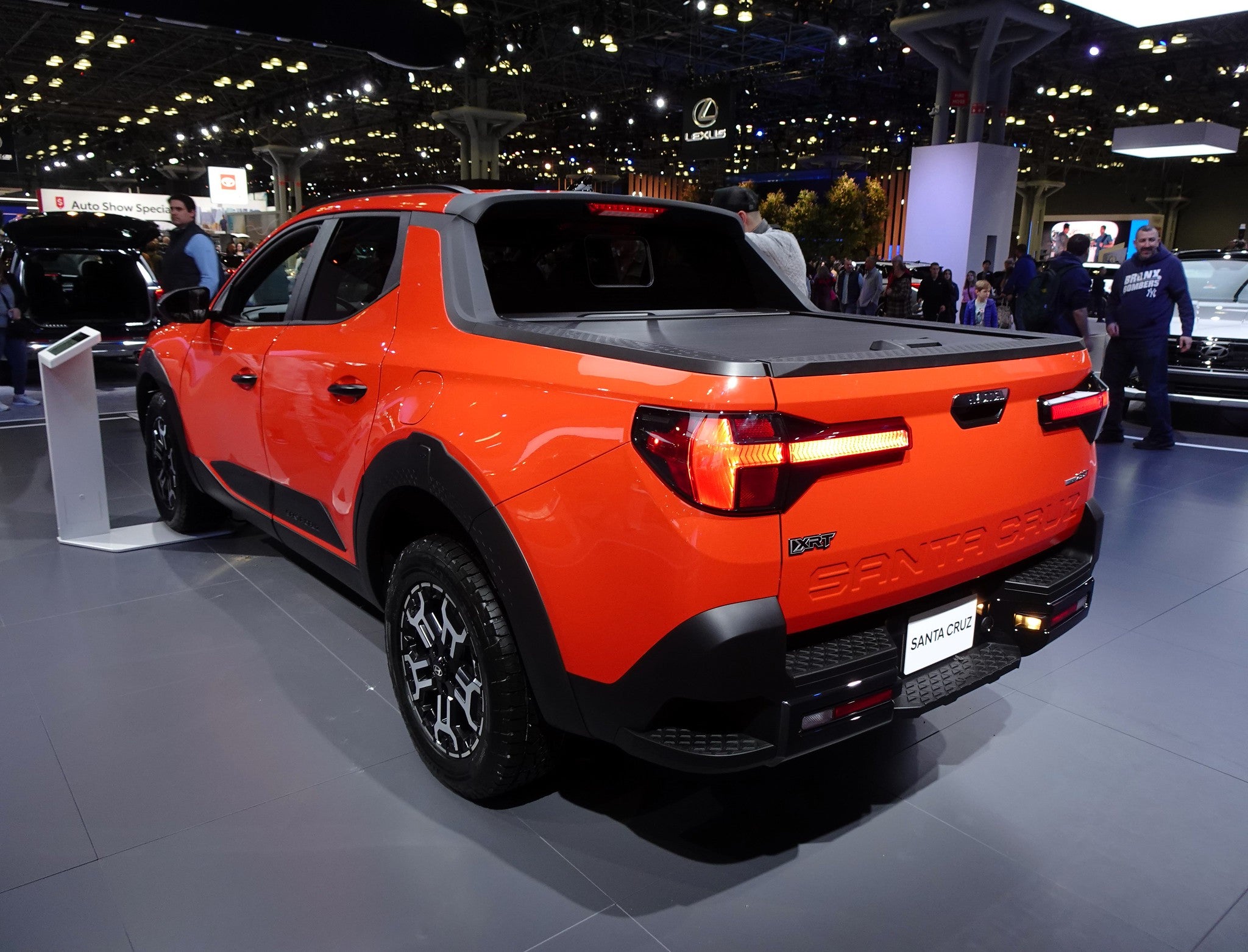
The Hyundai Santa Cruz and Hyundai Tucson are excellent choices for buyers who are looking for safe vehicles. The Santa Cruz received the Top Safety Pick award from the IIHS, and the Tucson received the Top Safety Pick+ award. Standard Safety Features: Which Vehicle Offers Better Protection? Hyundai Santa Cruz XRT (2024) by Charles is licensed by CC BY 2.0 The Santa Cruz and Tucson come with comprehensive lists of safety systems and advanced driver aids. Here's a closer look at how these two Hyundais compare when it comes to safety. Hyundai SmartSense Safety Suite Comparison The Santa Cruz and Tucson come standard with Hyundai's SmartSense suite of advanced driver aids. This bundle includes several safety systems, including: Forward collision-avoidance assist with pedestrian detection Blind-spot collision-avoidance assist Lane keeping assist and lane following assist Blind-spot view monitor Lane keeping assist Driver attention warning Forward attention warning Automatic high beam headlights Lane following assist These safety systems are designed to keep the driver aware of their surroundings. They use visual and audible alerts to provide warnings about potential hazards, and will take preventative action if needed. Advanced Driver Assistance Systems (ADAS) In addition to the standard driver assistance systems, these Hyundai models offer additional advanced driver aids. Highway driving assist Safe exit warning Rear cross-traffic collision-avoidance assist Smart cruise control with stop and go The Hyundai Tucson also offers advanced driver assistance to make driving safer and more convenient. Some of these systems include: Navigation-based smart cruise control with curve control Surround-view monitor Rear occupant alert Advanced rear occupant alert Remote smart parking assist Parking collision avoidance assist Passive Safety Features The Tucson and Santa Cruz come equipped with long lists of passive safety systems in addition to the driver aids. The Tucson has airbags throughout the cabin, including two front, two front side, and two side-curtain airbags. There are also two rear side airbags. The Santa Cruz also comes with eight airbags in the same places as the Tucson, but the rear side airbags have rollover sensing features. Both vehicles are constructed from high-strength steel and have unibody designs. No matter which of these Hyundais you choose, the vehicle stability management system comes standard, and you'll benefit from electronic stability control with traction control to help you avoid losing control when the driving conditions become slippery. Real-World Safety Performance Analysis The Hyundai Santa Cruz received high marks from both the NHTSA and the IIHS, and the Tucson is a Top Safety Pick+ according to the IIHS, which is their highest rating. Crash Test Performance Breakdown The high crash test scores for the Tucson and the Santa Cruz will give you confidence when you get behind the wheel and put your loved ones in your vehicle. According to the IIHS, the Tucson received "Good" ratings in all the crashworthiness testing. This includes small overlap front, moderate overlap front, and side crash. The National Highway Traffic Safety Administration gave it five stars for its overall safety rating and the side crash rating. It received four stars in the rollover resistance rating. The Santa Cruz ratings are not as high as the Tucson ratings, but they are still impressive. It received a "Good" rating from the IIHS in the small overlap front test and "Good" ratings for moderate overlap front and the side crash test. The overall rating from the NHTSA is five stars. Vehicle Stability and Handling Safety When you head out on the road in the Tucson or Santa Cruz, you'll be ready for any road conditions, with safety systems to help. Electronic stability control (ESC) comes standard with both of these Hyundai vehicles. This system is designed to help prevent skidding when roads become slippery, wet, or icy. Traction control works along with ESC to keep the wheels from spinning so you can maintain grip when accelerating or driving on slick roads. Size and Design Impact on Safety The Tucson and Santa Cruz are built on the same platform, but the Santa Cruz is a foot longer, and it is slightly wider. The size difference between the two does not impact safety performance. Since both of these Hyundai vehicles have similar safety equipment, they offer similar protection for their passengers. One of the most significant differences is that the Santa Cruz has an open bed compared to the enclosed cargo area of the Tucson, but this doesn't impact safety. Safety Technology and Innovation Comparison The Santa Cruz and the Tucson offer similar safety technology. Both use cameras and sensors to detect nearby vehicles and obstacles. Also, they have automatic braking systems that can apply the brakes if needed to help avoid collisions. The Hyundai Blue Link+ connected services system offers drivers added convenience and safety. It works with the MyHyundai app to turn your phone into a remote starter for your vehicle. Use BlueLink+ to check your gas level right from your phone, or get reminders about when it's time for an oil change with the app. Insurance and Safety Cost Considerations Since the Tucson and Santa Cruz have similar safety features and equipment, they will have a similar impact on insurance costs. Insurers use safety ratings and features to calculate the cost of insurance, but other factors also affect insurance rates. It's Time to Choose Your Hyundai Now that you know more about the safety features available with the Hyundai Tucson and the Hyundai Santa Cruz, and how they compare, you can make an informed decision about which one is right for you. Come to Titus-Will Hyunda i to see both vehicles and even take one of each out for a test drive. Our team is here to answer any questions you have about the safety features and ratings.

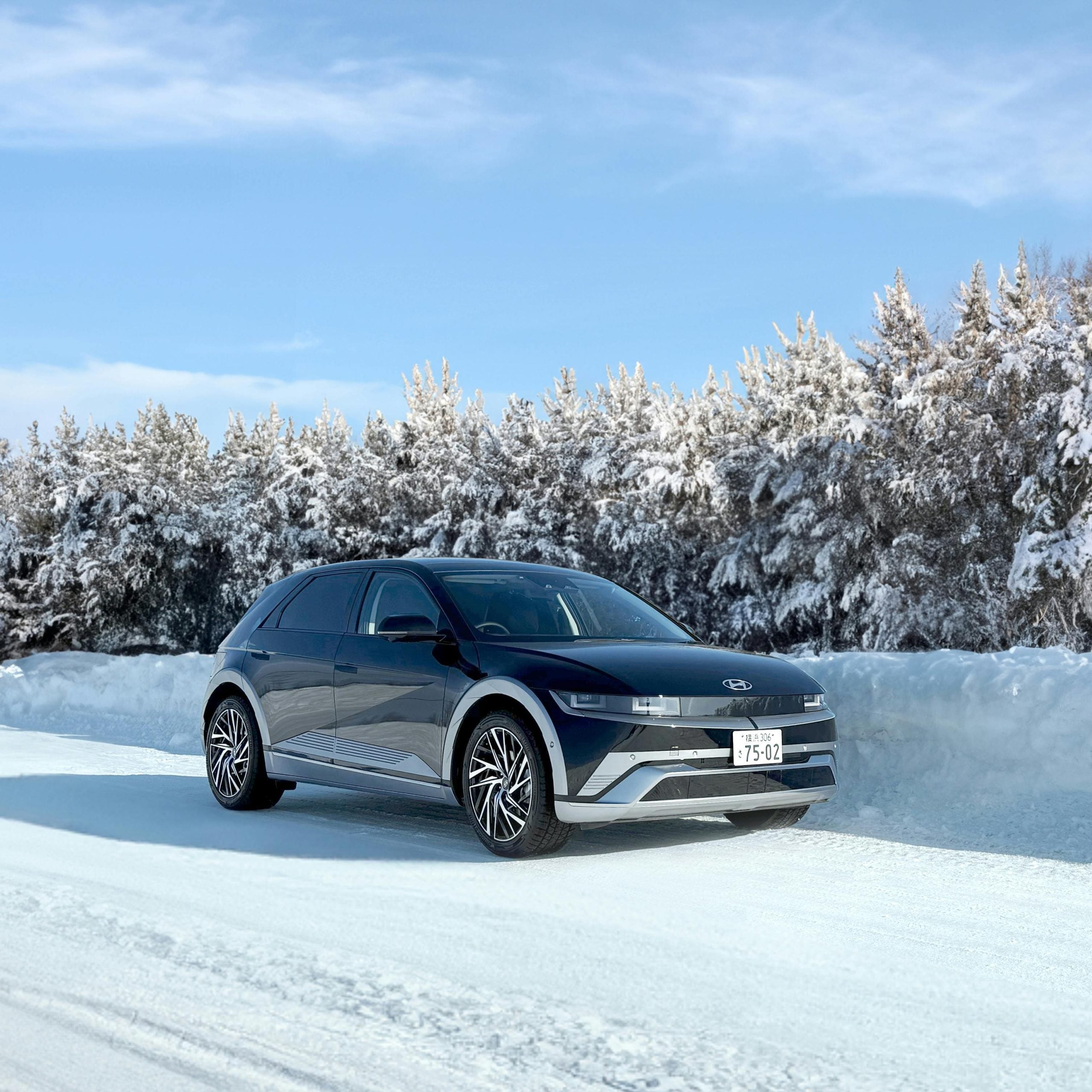
Hyundai driving in the snow

How To Prepare Your Hyundai for Winter in Olympia

Many drivers are caught off guard by Olympia's Pacific Northwest winters and their sudden cold snaps, relentless rain, and surprise snow. While our area doesn't experience the brutal cold seen elsewhere, the combination of high humidity, wide temperature swings, and constantly wet roads requires thorough vehicle preparation. Our Titus-Will Hyundai team has compiled just what you need — specific instructions for preparing your Hyundai for winter. Essential Winter Preparation Steps for Your Hyundai in Olympia Hyundai Ioniq 5 in Snowy Sapporo Landscape by Hyundai Motor Group is licensed with Pexels License Olympia's winters are typically wet, cold, and overcast, with temperatures ranging from 34 to 49 degrees. When it's not raining, it's snowing — about 2 to 5 inches a month. The weather can quickly change, which can put stress on your Hyundai. Start your winter preparation in early fall before the first frost. Inspect your vehicle in September, address tire and fluid changes in October, and finish your winterizing by November. Many service centers are busy during this time of year, so be sure to schedule service at Titus-Will Hyundai as winter nears. Tire and Traction Preparation for Pacific Northwest Winters All-season tires work well for most Olympia driving, but winter tires provide better grip below 45 degrees, particularly on mountain passes or in snow conditions. Your tire pressure drops 1 to 2 psi for every 10-degree temperature drop, so check it weekly during the winter months. Washington State requires drivers to carry chains and install them when driving through mountain passes, when signs are posted, or when snow and ice are present on the road; failure to use them can result in a fine. All-wheel-drive (AWD) vehicles are exempt from this requirement only if they have approved traction tires. It's best to practice installing your chains at home before attempting to do so on the side of the road. Battery and Electrical System Winterization Cold weather decreases battery power; low temperatures slow the chemical reactions happening inside your battery and can reduce its capacity by up to 50%. A battery that's perfectly fine during the summer can leave you stranded on cold mornings. Battery testing is quick and reveals the actual condition of your battery, so checking it should be part of your winter preparation. You can clean the terminals with a wire brush and apply petroleum jelly to prevent corrosion. Keeping jumper cables and a portable power pack in your Hyundai is smart, but know when to call the professionals instead of risking damage to your vehicle. Fluid Systems and Engine Protection You'll probably want to change your oil as winter approaches. Cold affects oil's viscosity — the rate at which it flows. Different Hyundai models need specific oils, so it's best to consult with our Titus-Will service team to learn which oil is right for your model. Synthetic oil works better in Pacific Northwest winters, offering longer intervals between changes and superior protection. It works consistently as temperatures change and helps with fuel economy. Don't forget about your Hyundai's other fluids. Your coolant may need changing to prevent freezing, your windshield washer fluid should be switched to a winter formula, and you should check the transmission and brake fluids for contamination. Visibility and Safety Systems Maintenance Olympia's dark, wet winters mandate clear vision. Watch for problems with your windshield wipers, such as streaking, smearing, skipping, squeaking, damage, or poor performance. Hyundai's wiper blade service mode makes replacement easier. Turn off the engine, then within 20 seconds, press and hold the windshield wiper stalk to the Mist position for about three seconds until the wipers lift vertically. Check all the lights and clean their lenses. Test the front and rear window defrosters, and apply anti-ice treatments to your mirrors. Replace the cabin air filters yearly; fresh filters improve air quality and defroster performance. Brake System Winter Readiness Cold weather thickens brake fluid, slowing brake pedal response. Brake pads can also harden, decreasing friction and making stopping distances longer. You can check their thickness visually; replace them when they measure 3 millimeters or less. Check the parking brake on hills, because slopes can turn icy fast. Ceramic brake pads work well in cold weather and prevent ABS lockups. Building Your Olympia Winter Emergency Kit Pacific Northwest weather requires preparation for emergencies. Pick up some waterproof, breathable rain gear for sudden downpours and add some waterproof boots or walking shoes in case you need to hike for help. Essential supplies include a warm blanket, waterproof gloves, a small snow shovel, an ice scraper, extra washer fluid, and a flashlight with spare batteries. You can add a heavy-duty snow brush, jumper cables, a portable battery pack, basic tools, extra clothes, and cat litter for traction. Include snacks, water, phone chargers, flares, reflective triangles, and emergency phone contacts, and download an app for Washington road conditions. Store your kit in waterproof bins and don't forget to replace perishables seasonally. Prewinter Professional Service Recommendations Always choose to use certified Hyundai technicians, such as those at our Titus-Wills Hyundai service center. You can count on us to use the correct tools and original equipment manufacturer (OEM) parts. Winter checks include battery testing, fluids, tires, brakes, heating, and electrical systems. Keep your service records to support your warranty coverage and ensure that only OEM Hyundai parts are used. Ongoing Winter Maintenance Throughout the Season Continue your winter maintenance routine all winter long. Check your tire pressure at least once a week, including your spare tire, and keep your gas tank at least half full to prevent fuel line freezing. Check fluids regularly: engine oil, brake fluid, transmission fluid, power steering fluid, coolant, and washer fluid. Don't forget to test all the lights. Check for salt damage and ice buildup after storms, and rinse the road salt off your Hyundai when possible to prevent rust. Schedule Your Hyundai's Winter Service Today Don't wait for the first frost to start your winter preparation — book your service today. Our certified techs at Titus-Will Hyundai know your car's specific requirements and understand Olympia's winter driving conditions. It's also a great time to look into a new Hyundai model, maybe one with AWD. Contact us with your questions or to prepare your Hyundai for whatever this winter brings.

Customer and Sales agent happily looking at agreement

Buying vs. Leasing a vehicle for Olympia Residents

Making car financing decisions has become trickier in Olympia this year. Our hefty 9.8% local sales tax, combined with Washington tax increases, means the decision to buy or lease isn't as straightforward as it used to be. We've put together this guide to help you decide whether buying or leasing is best for you. Car Purchase vs. Lease: A Financial Breakdown Happy Customer and Agent Reading the Contract by Gustavo Fring is licensed with Pexels License Traditionally, leasing tends to offer lower monthly payments while buying allows you to build equity in your vehicle, offering long-term value. However, the world of car financing is changing, and many people are unaware of how narrow the payment gap has become. According to Experian data, nationally, monthly lease payments now average $638, while for loans, it's $655, and that's just $17 more per month. With car prices climbing and the average new vehicle nearing $50,000, it's more important than ever to understand whether buying or leasing is the right choice for you. Buying a Vehicle: Ownership Benefits and Costs Buying works in your favor the longer you keep your vehicle. Every payment builds equity, and once you're done paying off your loan, you'll own your car outright. This means you'll not only own something of value, but you can drive payment-free for years to come. Buying also gives you total freedom to customize your vehicle how you want and drive as far as you like. The downside is that new cars depreciate fast, losing up to 30% of their value in the first year. That's potentially thousands of dollars lost the minute you drive off the lot. Also, that 9.8% Olympia sales tax hits hard when you buy a vehicle. On a $30,000 car, you'll be paying nearly $3,000 just in sales tax. Add on registration and dealer fees and other charges, and you're looking at another $500-$1,000 before you even hit the road. Leasing a Vehicle: Lower Payments With Trade-Offs Lease payments work differently from loans. You only pay for the car's depreciation during the lease term plus some financing fees. That's why monthly costs run lower. However, most leases cap how far you can drive at 10,000-12,000 miles annually. Drive more than this and you'll be liable for excess mileage costs of around 10-25 cents per mile. You'll also be liable to pay for any damage or wear and tear when your lease ends, so that door ding from the Safeway parking lot or the coffee stain from your morning Capitol Building commute might cost you. Plus, terminating your lease early can prove to be expensive, sometimes equaling all the remaining payments. It's also worth noting that leasing companies often require higher credit scores than lenders do for car loans. A strong credit score gives you better rates on either option, but if you've got a score below 580, qualifying for a lease can be tough. Leasing vs. Buying a Vehicle: Best Types of Cars Different models and makes of cars depreciate at different speeds. Electric vehicles (EVs) tend to depreciate fast, so leasing an EV makes much more sense than buying, especially with how fast the technology changes. In comparison, traditional gas cars hold their value better. Research shows that the average new vehicle retains about 44.6% of its sticker price after five years, while some top-performing models, such as the Toyota Tacoma and Tundra, hang onto more than 60%. For these models, buying may be the better option. Negotiating Your Deal in Olympia Timing really matters when car shopping. Visit dealerships at month- or year-end when sales teams are scrambling to hit targets. Always bring preapproval from your bank or credit union, know your trade-in value, set realistic price expectations, and focus on the total price, including taxes and fees, not just the monthly payments. You can check resources such as Kelley Blue Book before shopping, so you know what similar cars cost. Don't fear walking away — sometimes that's your strongest move and can result in the best deals. Making the Right Choice for Your Situation Whether to lease or buy depends on your lifestyle. If you drive long distances, plan to keep your car long term, want to modify it, or don't want to be tied into endless payments, buying may be best. On the other hand, leasing is great if you want lower monthly costs, love switching cars every few years, and drive under 12,000 miles annually. Ready to explore your options? Contact us and speak to our finance team at Titus Will Hyundai. We know the local market inside and out and can help you make the right decision for your specific situation.

Contact Us

Fill out this form below and we'll contact you shortly

By submitting your information, you agree to the sharing of your information between Hyundai Motor America and its authorized dealers.

*Required Fields