



Spooktacular Family Fun: Top Halloween Activities for Families in Olympia, WA (2025 Edition)
Fall is in the air, leaves are crisp underfoot, and the pumpkins are just begging to be carved. There’s no better time for families in Olympia to get out, get spooky (but not too spooky), and make memories together. If you’re wondering what fun Halloween happenings are happening this year around town, you’re in luck! Here are some family-friendly Halloween activities within about a 30-minute drive of Olympia. You’ll find everything from haunted houses with kid walks to trunk-or-treats and harvest festivals. Whether you’re planning weekend outings or a full Halloween night adventure, these picks will keep your crew entertained. And yes, Titus-Will Hyundai is cheering you on to get in the spirit, drive safe, and enjoy the ride!

Photo Field Full Of Pumpkins by James Wheeler is licensed with Pexels License
Boo Bash at Hands On Children’s Museum
One of the gentlest, most magical Halloween experiences in Olympia is Boo Bash at the Hands On Children’s Museum, Oct. 25–31, 2025.
This event is designed for families with younger children so you can expect Halloween-inspired delights, fun crafts, trick-or-treating through the museum galleries (with no scares), and seasonal whimsy. It’s perfect for kids who might find haunted houses too intense. Because it happens across multiple days, you’ll have some flexibility to pick a time that works best for your family.
My Morbid Mind Haunted House (Kids Walk-Through)
For families with kids old enough to appreciate a mild thrill, My Morbid Mind Haunted House in Olympia is a great pick. Their 2025 schedule includes a no-scare kids walk-through on October 26 (5 p.m.–6:30 p.m.). Older kids (recommended 12+) can do the full haunted house experience on evenings like October 10–11, 17–18, 24–25, and 31.
It’s local enough not to be a long drive, and gives families the option of a gentler or spookier experience depending on age and appetite for scares.
Olympia Farmers Market Harvest Halloween & Costume Contest
If you prefer daytime, festive, community-oriented fun, the 11th Annual Harvest Halloween & Costume Contest at the Olympia Farmers Market is a must.
Scheduled Saturday, October 26, from 10 a.m. to 3 p.m., with a costume contest at noon, this event features trick-or-treating among vendors, mini pumpkin decorating, cooking demos, and more. It’s rain-or-shine and very family friendly (kids up to 12 can enter the costume contest).
Because the market is downtown and easily accessible, it’s a natural outing—grab brunch, stroll, play, and celebrate fall together.
Boo-Coda (Bucoda’s Halloween Town)
Just about 20 miles southeast of Olympia, Bucoda transforms into “BOO-CODA,” Washington’s own Halloweentown for the month of October.
This little town goes full spooky—with a Family-Friendly Haunted House (Oct 24 & 25), casket races, a hearse processional, costume contests, a Thriller flash mob dance, and more.
Because it’s a monthlong event, you have flexibility to pick your day. The transformation of the entire town (Main Street, local businesses) gives it a big “wow” factor for kids of varying ages.
Even though some parts are scarier, families can stick to the more moderate events (fun parades, contests, trunk setups).
Check their full schedule at the BOO-CODA website for updated event times.
Yelm Community Center Boo Bash (STEAM + Crafts)
A little bit further but still close enough for a fun outing is the Yelm Recreation “Boo Bash” at the Yelm Community Center.
This free event takes place October 25 from 10 a.m. to 12 p.m. and features STEAM activities, crafts, and Halloween-themed fun for kids.
It’s ideal for families with school-age children who enjoy hands-on, creative Halloween fun without the darkness or scares.
Pair it with lunch in Yelm or a stop at local shops for a full outing.
Tips for a Smooth Halloween Season in Olympia
- Plan ahead: Many events (especially haunted houses) sell tickets or limit capacity, so check event pages early.
- Layer costumes : October in Olympia can be chilly or damp, so bring a jacket under costume or costume layers.
- Map your route: You may be going downtown, Bucoda, Yelm, or elsewhere. Group events by geography to avoid over-driving.
- Bring the camera (and mask rules in mind): Downtown trick-or-treating may have restrictions (no full-face masks or fake weapons).
- Support local: Stop by local shops, eateries, and events before or after festivities.
- Stay safe: Drive carefully, use crosswalks, and respect neighborhood schedules.
Most Importantly, Enjoy Your Halloween Celebrations!
From whimsical museum trick-or-treating to family-friendly haunted houses, festive trunk-or-treats, full town transformations in Bucoda, and hands-on STEAM or art celebrations, the Olympia area has a wealth of Halloween magic just waiting for you and your crew. Whether your kids like gore-free fun or a little spook, there’s a fit. Don’t forget that Titus-Will Hyundai is rooting for your safe travels between events—may your costume be comfy and your candy haul be epic. Happy haunting and happy family adventures!
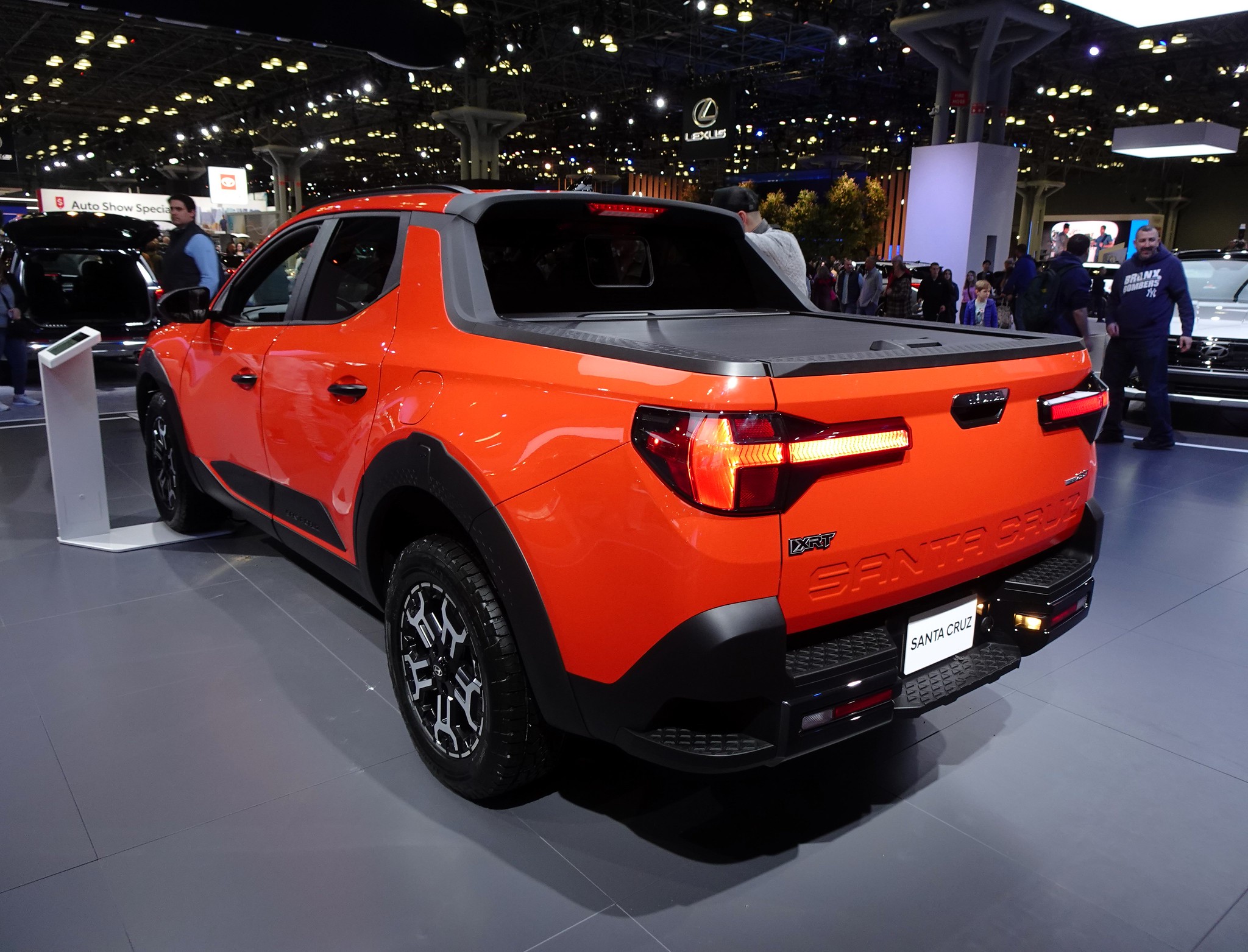
The Hyundai Santa Cruz and Hyundai Tucson are excellent choices for buyers who are looking for safe vehicles. The Santa Cruz received the Top Safety Pick award from the IIHS, and the Tucson received the Top Safety Pick+ award.
Standard Safety Features: Which Vehicle Offers Better Protection?
Hyundai Santa Cruz XRT (2024) by Charles is licensed by CC BY 2.0
The Santa Cruz and Tucson come with comprehensive lists of safety systems and advanced driver aids. Here’s a closer look at how these two Hyundais compare when it comes to safety.
Hyundai SmartSense Safety Suite Comparison
The Santa Cruz and Tucson come standard with Hyundai’s SmartSense suite of advanced driver aids. This bundle includes several safety systems, including:
- Forward collision-avoidance assist with pedestrian detection
- Blind-spot collision-avoidance assist
- Lane keeping assist and lane following assist
- Blind-spot view monitor
- Lane keeping assist
- Driver attention warning
- Forward attention warning
- Automatic high beam headlights
- Lane following assist
These safety systems are designed to keep the driver aware of their surroundings. They use visual and audible alerts to provide warnings about potential hazards, and will take preventative action if needed.
Advanced Driver Assistance Systems (ADAS)
In addition to the standard driver assistance systems, these Hyundai models offer additional advanced driver aids.
- Highway driving assist
- Safe exit warning
- Rear cross-traffic collision-avoidance assist
- Smart cruise control with stop and go
The Hyundai Tucson also offers advanced driver assistance to make driving safer and more convenient. Some of these systems include:
- Navigation-based smart cruise control with curve control
- Surround-view monitor
- Rear occupant alert
- Advanced rear occupant alert
- Remote smart parking assist
- Parking collision avoidance assist
Passive Safety Features
The Tucson and Santa Cruz come equipped with long lists of passive safety systems in addition to the driver aids. The Tucson has airbags throughout the cabin, including two front, two front side, and two side-curtain airbags. There are also two rear side airbags.
The Santa Cruz also comes with eight airbags in the same places as the Tucson, but the rear side airbags have rollover sensing features.
Both vehicles are constructed from high-strength steel and have unibody designs. No matter which of these Hyundais you choose, the vehicle stability management system comes standard, and you’ll benefit from electronic stability control with traction control to help you avoid losing control when the driving conditions become slippery.
Real-World Safety Performance Analysis
The Hyundai Santa Cruz received high marks from both the NHTSA and the IIHS, and the Tucson is a Top Safety Pick+ according to the IIHS, which is their highest rating.
Crash Test Performance Breakdown
The high crash test scores for the Tucson and the Santa Cruz will give you confidence when you get behind the wheel and put your loved ones in your vehicle.
According to the IIHS, the Tucson received “Good” ratings in all the crashworthiness testing. This includes small overlap front, moderate overlap front, and side crash.
The National Highway Traffic Safety Administration gave it five stars for its overall safety rating and the side crash rating. It received four stars in the rollover resistance rating.
The Santa Cruz ratings are not as high as the Tucson ratings, but they are still impressive. It received a “Good” rating from the IIHS in the small overlap front test and “Good” ratings for moderate overlap front and the side crash test. The overall rating from the NHTSA is five stars.
Vehicle Stability and Handling Safety
When you head out on the road in the Tucson or Santa Cruz, you’ll be ready for any road conditions, with safety systems to help.
Electronic stability control (ESC) comes standard with both of these Hyundai vehicles. This system is designed to help prevent skidding when roads become slippery, wet, or icy. Traction control works along with ESC to keep the wheels from spinning so you can maintain grip when accelerating or driving on slick roads.
Size and Design Impact on Safety
The Tucson and Santa Cruz are built on the same platform, but the Santa Cruz is a foot longer, and it is slightly wider. The size difference between the two does not impact safety performance.
Since both of these Hyundai vehicles have similar safety equipment, they offer similar protection for their passengers. One of the most significant differences is that the Santa Cruz has an open bed compared to the enclosed cargo area of the Tucson, but this doesn’t impact safety.
Safety Technology and Innovation Comparison
The Santa Cruz and the Tucson offer similar safety technology. Both use cameras and sensors to detect nearby vehicles and obstacles. Also, they have automatic braking systems that can apply the brakes if needed to help avoid collisions.
The Hyundai Blue Link+ connected services system offers drivers added convenience and safety. It works with the MyHyundai app to turn your phone into a remote starter for your vehicle.
Use BlueLink+ to check your gas level right from your phone, or get reminders about when it’s time for an oil change with the app.
Insurance and Safety Cost Considerations
Since the Tucson and Santa Cruz have similar safety features and equipment, they will have a similar impact on insurance costs. Insurers use safety ratings and features to calculate the cost of insurance, but other factors also affect insurance rates.
It’s Time to Choose Your Hyundai
Now that you know more about the safety features available with the Hyundai Tucson and the Hyundai Santa Cruz, and how they compare, you can make an informed decision about which one is right for you.
Come to Titus-Will Hyundai to see both vehicles and even take one of each out for a test drive. Our team is here to answer any questions you have about the safety features and ratings.
Credit Unions in Olympia WA

If you’re living in Olympia, WA, and looking to join a credit union or switch from a big bank, you’re in luck. !\There are several great credit unions right in your area that are public-facing, friendly, and within a 30-minute drive. In this post, we’ll walk you through five public credit unions near Olympia that are open to local residents, what makes each special, and tips for choosing one. Whether you want lower fees, community focus, or better loan rates, you’ve got options and Titus-Will Hyundai will be here to help you find your next Hyundai when you finance through them!

Brown Concrete building Near Trees by Czapp Arpad is licensed with Pexels License
Olympia Credit Union
Olympia Credit Union is a true hometown option. Their main branch serves the local community (and members statewide) with typical services like checking, savings, and loans. If you want smaller scale, personable service and face recognition at the teller window, this is a place many locals trust. It’s especially nice if you value close community ties over a huge branch network.
Global Credit Union: Olympia Branch
Global Credit Union’s Olympia Branch is located inside Haggen at 1313 Cooper Point Road SW in Olympia. They offer the usual suite of credit union features: ATM, deposits & withdrawals, loan payments, and more. If you frequent the Cooper Point area or shop at Haggen, this branch offers convenient access. Their lobby hours (Mon–Fri 10 AM–6 PM) make them slightly more flexible than some smaller credit unions.
WSECU (Washington State Employees Credit Union)
WSECU is a large, full-service credit union with multiple branches around Olympia. Their main Olympia branch (330 Union Ave SE) includes a drive-thru ATM, coin machine, notary services, and more. They also operate a West Olympia branch at 2006 Harrison Ave NW. Because WSECU has more scale and resources, you might find more product options (e.g. investment services, mortgage lending) while still keeping that credit union feel.
O Bee Credit Union
O Bee Credit Union is another solid choice with a branch in West Olympia at 410 Cooper Point Road #105. They serve all Washington residents and provide full services including auto loans, personal banking, deposit accounts, and more. O Bee also has multiple branches in Tumwater, Lacey, and Yelm — ideal if you swing through other towns. Fun fact: O Bee was founded by Olympia Brewery employees, and it still carries that community spirit.
TwinStar Credit Union: Olympia Branch
TwinStar Credit Union has a central Olympia branch at 1020 5th Avenue SE. Their lobby is open Monday through Friday and offers full service, including walk-up ATM access. They also have a West Olympia Safeway branch at 3215 Harrison Ave NW, open six days a week. If you want flexibility and multiple branch options in one network, TwinStar’s a reliable pick.
How to Choose the Right Credit Union for You
Location & Convenience
You want a branch or ATM you can reach easily. If you often drive or shop around Cooper Point, Global or O Bee (West Olympia) might become your go-to. If you live downtown or near Union Ave, WSECU’s Olympia branch could be ideal.
Range of Services
Some credit unions are small and focused (checking, savings, small loans), while others (like WSECU or TwinStar) may offer mortgages, investment services, and advanced loan products. Think about what services you’ll actually use and whether you want more options as your needs grow.
Membership Rules & Accessibility
Although many credit unions restrict membership to certain groups, the ones listed above typically allow any Washington resident (or people living/working in Thurston County) to join. WSECU and O Bee offer particularly broad eligibility, which makes joining easy for most locals.
Rates, Fees & Culture
Credit union culture tends to be more member-oriented, but fees and rates still vary. Some charge for statements or ATM usage outside the network. Ask about fee waivers, interest on checking/savings, and how they treat loan customers. One bonus: many participate in shared branching, letting you use other credit unions’ branches nationwide fee-free.
Digital Tools & Account Access
Even if a credit union has a great local branch, poor online or mobile banking can be a pain. Check their app quality, mobile deposit features, and ability to transfer funds easily. A local branch is great, but many day-to-day moves happen digitally now.
Why This Matters for Olympia Residents
Having a credit union close by means you can drop in for financial advice, make deposits or withdrawals in person, or talk through a personal loan face-to-face. Instead of fighting with big banks, you get to work with organizations rooted in your community. Plus, you’ll build relationships; staff will recognize you by name, understand local realities, and often have more flexibility to help when needed.
If you’re car shopping or planning a vehicle upgrade, financing through a credit union can often result in better auto loan rates, more cooperative terms, and more trust. And when that time comes, the team here at Titus-Will Hyundai is ready to help you pair your vehicle choice with the credit union that makes the most sense. We often collaborate with local credit unions to streamline finance offers and help folks get behind the wheel faster.
Olympia WA Credit Union Recap
There are at least five public credit unions within 30 minutes of Olympia; Olympia Credit Union, Global Credit Union, WSECU, O Bee Credit Union, and TwinStar Credit Union. Each brings something different to the table: location, services, culture, and digital tools. Think through what you value; access, rates, membership rules, or convenience.
And when you’re ready to put that credit union membership to work on your next vehicle, stop by Titus-Will Hyundai. We’re here to make the process simple, local, and tailored to you.
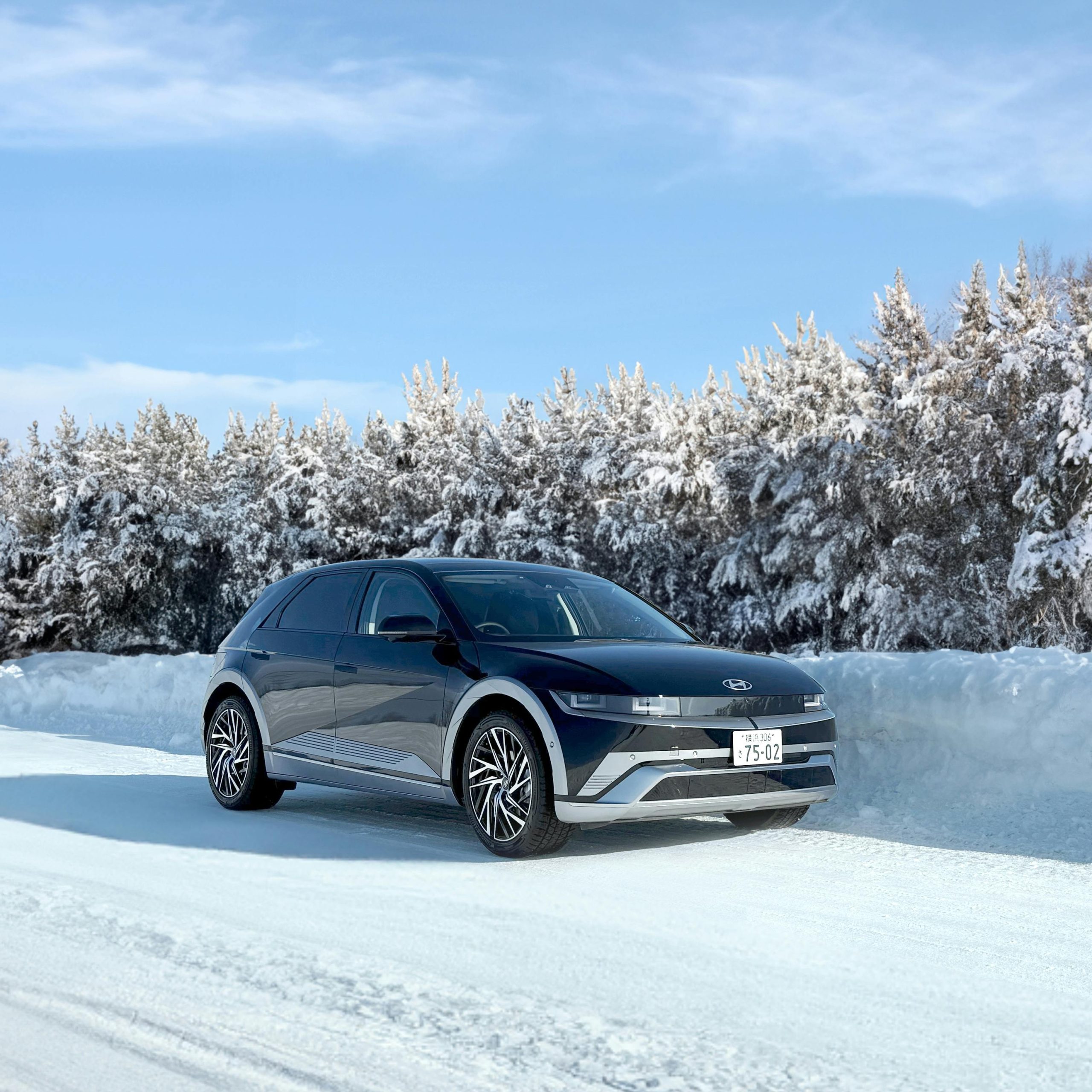
Many drivers are caught off guard by Olympia’s Pacific Northwest winters and their sudden cold snaps, relentless rain, and surprise snow. While our area doesn’t experience the brutal cold seen elsewhere, the combination of high humidity, wide temperature swings, and constantly wet roads requires thorough vehicle preparation. Our Titus-Will Hyundai team has compiled just what you need — specific instructions for preparing your Hyundai for winter.
Essential Winter Preparation Steps for Your Hyundai in Olympia
Hyundai Ioniq 5 in Snowy Sapporo Landscape by Hyundai Motor Group is licensed with Pexels License
Olympia’s winters are typically wet, cold, and overcast, with temperatures ranging from 34 to 49 degrees. When it’s not raining, it’s snowing — about 2 to 5 inches a month. The weather can quickly change, which can put stress on your Hyundai.
Start your winter preparation in early fall before the first frost. Inspect your vehicle in September, address tire and fluid changes in October, and finish your winterizing by November. Many service centers are busy during this time of year, so be sure to schedule service at Titus-Will Hyundai as winter nears.
Tire and Traction Preparation for Pacific Northwest Winters
All-season tires work well for most Olympia driving, but winter tires provide better grip below 45 degrees, particularly on mountain passes or in snow conditions. Your tire pressure drops 1 to 2 psi for every 10-degree temperature drop, so check it weekly during the winter months.
Washington State requires drivers to carry chains and install them when driving through mountain passes, when signs are posted, or when snow and ice are present on the road; failure to use them can result in a fine. All-wheel-drive (AWD) vehicles are exempt from this requirement only if they have approved traction tires. It’s best to practice installing your chains at home before attempting to do so on the side of the road.
Battery and Electrical System Winterization
Cold weather decreases battery power; low temperatures slow the chemical reactions happening inside your battery and can reduce its capacity by up to 50%. A battery that’s perfectly fine during the summer can leave you stranded on cold mornings.
Battery testing is quick and reveals the actual condition of your battery, so checking it should be part of your winter preparation. You can clean the terminals with a wire brush and apply petroleum jelly to prevent corrosion. Keeping jumper cables and a portable power pack in your Hyundai is smart, but know when to call the professionals instead of risking damage to your vehicle.
Fluid Systems and Engine Protection
You’ll probably want to change your oil as winter approaches. Cold affects oil’s viscosity — the rate at which it flows. Different Hyundai models need specific oils, so it’s best to consult with our Titus-Will service team to learn which oil is right for your model.
Synthetic oil works better in Pacific Northwest winters, offering longer intervals between changes and superior protection. It works consistently as temperatures change and helps with fuel economy. Don’t forget about your Hyundai’s other fluids. Your coolant may need changing to prevent freezing, your windshield washer fluid should be switched to a winter formula, and you should check the transmission and brake fluids for contamination.
Visibility and Safety Systems Maintenance
Olympia’s dark, wet winters mandate clear vision. Watch for problems with your windshield wipers, such as streaking, smearing, skipping, squeaking, damage, or poor performance. Hyundai’s wiper blade service mode makes replacement easier. Turn off the engine, then within 20 seconds, press and hold the windshield wiper stalk to the Mist position for about three seconds until the wipers lift vertically.
Check all the lights and clean their lenses. Test the front and rear window defrosters, and apply anti-ice treatments to your mirrors. Replace the cabin air filters yearly; fresh filters improve air quality and defroster performance.
Brake System Winter Readiness
Cold weather thickens brake fluid, slowing brake pedal response. Brake pads can also harden, decreasing friction and making stopping distances longer. You can check their thickness visually; replace them when they measure 3 millimeters or less. Check the parking brake on hills, because slopes can turn icy fast. Ceramic brake pads work well in cold weather and prevent ABS lockups.
Building Your Olympia Winter Emergency Kit
Pacific Northwest weather requires preparation for emergencies. Pick up some waterproof, breathable rain gear for sudden downpours and add some waterproof boots or walking shoes in case you need to hike for help.
Essential supplies include a warm blanket, waterproof gloves, a small snow shovel, an ice scraper, extra washer fluid, and a flashlight with spare batteries. You can add a heavy-duty snow brush, jumper cables, a portable battery pack, basic tools, extra clothes, and cat litter for traction. Include snacks, water, phone chargers, flares, reflective triangles, and emergency phone contacts, and download an app for Washington road conditions. Store your kit in waterproof bins and don’t forget to replace perishables seasonally.
Prewinter Professional Service Recommendations
Always choose to use certified Hyundai technicians, such as those at our Titus-Wills Hyundai service center. You can count on us to use the correct tools and original equipment manufacturer (OEM) parts.
Winter checks include battery testing, fluids, tires, brakes, heating, and electrical systems. Keep your service records to support your warranty coverage and ensure that only OEM Hyundai parts are used.
Ongoing Winter Maintenance Throughout the Season
Continue your winter maintenance routine all winter long. Check your tire pressure at least once a week, including your spare tire, and keep your gas tank at least half full to prevent fuel line freezing. Check fluids regularly: engine oil, brake fluid, transmission fluid, power steering fluid, coolant, and washer fluid. Don’t forget to test all the lights.
Check for salt damage and ice buildup after storms, and rinse the road salt off your Hyundai when possible to prevent rust.
Schedule Your Hyundai’s Winter Service Today
Don’t wait for the first frost to start your winter preparation — book your service today. Our certified techs at Titus-Will Hyundai know your car’s specific requirements and understand Olympia’s winter driving conditions. It’s also a great time to look into a new Hyundai model, maybe one with AWD. Contact us with your questions or to prepare your Hyundai for whatever this winter brings.
Buying vs. Leasing a vehicle for Olympia Residents

Making car financing decisions has become trickier in Olympia this year. Our hefty 9.8% local sales tax, combined with Washington tax increases, means the decision to buy or lease isn’t as straightforward as it used to be. We’ve put together this guide to help you decide whether buying or leasing is best for you.
Car Purchase vs. Lease: A Financial Breakdown

Happy Customer and Agent Reading the Contract by Gustavo Fring is licensed with Pexels License
Traditionally, leasing tends to offer lower monthly payments while buying allows you to build equity in your vehicle, offering long-term value. However, the world of car financing is changing, and many people are unaware of how narrow the payment gap has become. According to Experian data, nationally, monthly lease payments now average $638, while for loans, it’s $655, and that’s just $17 more per month. With car prices climbing and the average new vehicle nearing $50,000, it’s more important than ever to understand whether buying or leasing is the right choice for you.
Buying a Vehicle: Ownership Benefits and Costs
Buying works in your favor the longer you keep your vehicle. Every payment builds equity, and once you’re done paying off your loan, you’ll own your car outright. This means you’ll not only own something of value, but you can drive payment-free for years to come.
Buying also gives you total freedom to customize your vehicle how you want and drive as far as you like. The downside is that new cars depreciate fast, losing up to 30% of their value in the first year. That’s potentially thousands of dollars lost the minute you drive off the lot. Also, that 9.8% Olympia sales tax hits hard when you buy a vehicle. On a $30,000 car, you’ll be paying nearly $3,000 just in sales tax. Add on registration and dealer fees and other charges, and you’re looking at another $500-$1,000 before you even hit the road.
Leasing a Vehicle: Lower Payments With Trade-Offs
Lease payments work differently from loans. You only pay for the car’s depreciation during the lease term plus some financing fees. That’s why monthly costs run lower. However, most leases cap how far you can drive at 10,000-12,000 miles annually. Drive more than this and you’ll be liable for excess mileage costs of around 10-25 cents per mile.
You’ll also be liable to pay for any damage or wear and tear when your lease ends, so that door ding from the Safeway parking lot or the coffee stain from your morning Capitol Building commute might cost you. Plus, terminating your lease early can prove to be expensive, sometimes equaling all the remaining payments.
It’s also worth noting that leasing companies often require higher credit scores than lenders do for car loans. A strong credit score gives you better rates on either option, but if you’ve got a score below 580, qualifying for a lease can be tough.
Leasing vs. Buying a Vehicle: Best Types of Cars
Different models and makes of cars depreciate at different speeds. Electric vehicles (EVs) tend to depreciate fast, so leasing an EV makes much more sense than buying, especially with how fast the technology changes.
In comparison, traditional gas cars hold their value better. Research shows that the average new vehicle retains about 44.6% of its sticker price after five years, while some top-performing models, such as the Toyota Tacoma and Tundra, hang onto more than 60%. For these models, buying may be the better option.
Negotiating Your Deal in Olympia
Timing really matters when car shopping. Visit dealerships at month- or year-end when sales teams are scrambling to hit targets. Always bring preapproval from your bank or credit union, know your trade-in value, set realistic price expectations, and focus on the total price, including taxes and fees, not just the monthly payments. You can check resources such as Kelley Blue Book before shopping, so you know what similar cars cost. Don’t fear walking away — sometimes that’s your strongest move and can result in the best deals.
Making the Right Choice for Your Situation
Whether to lease or buy depends on your lifestyle. If you drive long distances, plan to keep your car long term, want to modify it, or don’t want to be tied into endless payments, buying may be best. On the other hand, leasing is great if you want lower monthly costs, love switching cars every few years, and drive under 12,000 miles annually.
Ready to explore your options? Contact us and speak to our finance team at Titus Will Hyundai. We know the local market inside and out and can help you make the right decision for your specific situation.
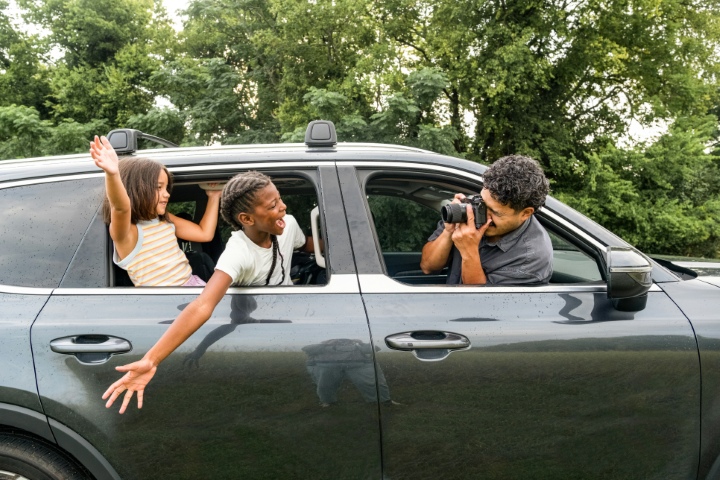
Looking for a quick getaway that’s both fun and educational for the whole family? With Olympia, WA as your starting point, there are a host of engaging road trip destinations nearby just waiting to be explored. Whether your family seeks to immerse themselves in the great outdoors or embrace unique cultural experiences, the options are plenty and perfectly positioned for a day trip. In this blog, we will dive into five fantastic family road trip destinations, each offering something unique, accessible, and within just a 30-minute drive of Olympia. Buckle up and get ready to discover the wonders at your doorstep!
1. Discover the Natural Wonders of Mount Rainier National Park
Just a short drive away from Olympia, Mount Rainier National Park provides an amazing opportunity for families to indulge in nature’s wonders, with rich forests, waterfalls, and a wealth of wildlife. Mount Rainier itself is a sight to behold, standing majestically as one of Washington’s most iconic peaks. Families can enjoy a variety of trails catering to all skill levels, making it a perfect spot for picnics, photography, and exploration. From colorful wildflower meadows to awe-inspiring glaciers, Mount Rainier National Park promises a memorable adventure that blends educational experiences with awe-inspiring natural beauty.
2. Explore the Unique Ecology at Olympic National Park
Another fantastic family road trip destination is Olympic National Park, where diverse ecosystems are readily accessible and waiting to be explored. From lush rainforests to rugged coastlines, the park offers an array of different landscapes that captivate visitors of all ages. Don’t miss the opportunity to teach your kids about the park’s unique plant and animal life, or simply enjoy the fresh air as you hike along family-friendly trails. Olympic National Park not only engages young explorers but also serves as a picturesque setting for picnics and relaxation.

3. Experience Bavarian Bliss in Leavenworth
Although a little further afield, the Bavarian-themed village of Leavenworth offers a unique cultural experience that feels like stepping into a fairytale. With its charming shops and authentic German cuisine, Leavenworth presents a magical backdrop for family adventures. The village hosts numerous festivals throughout the year, providing ample opportunity for family fun and learning. Despite the European flair, the surroundings are distinctly Pacific Northwestern, offering scenic views and outdoor activities that the whole family can enjoy.
4. Embark on Coastal Wonders at Long Beach Peninsula
For families looking to enjoy seaside adventures, the Long Beach Peninsula is an ideal choice. With its expansive beaches, the peninsula offers endless opportunities for beachcombing, flying kites, or simply soaking up the natural beauty of the Pacific coastline. It’s a paradise for bird watchers and wildlife enthusiasts, with plenty of opportunities to explore the various lighthouses and coastal trails. The mix of seaside charm and outdoor fun makes Long Beach Peninsula a must-visit destination for families yearning for a coastal escape.
5. Go Wild at Northwest Trek Wildlife Park
A mere stone’s throw away, Northwest Trek Wildlife Park is a perfect destination for families who are fascinated by wildlife. Set against a stunning natural backdrop, the park offers a variety of ways for families to get up close and personal with animals native to the Pacific Northwest. From bison and mountain goats to owls and beavers, there’s so much for little ones to learn and discover. The tram tour is a highlight of any visit, offering a guided journey through the park where you can observe these wonderful creatures in their natural habitats.
Discover Your Next Family Adventure
Each of these destinations provides a unique experience that promises adventure, learning, and fun for the entire family. Whether you’re exploring the wonders of Mount Rainier, delving into the rich ecosystems of Olympic National Park, soaking up the Bavarian charm of Leavenworth, wandering the sandy stretches of Long Beach, or embarking on a wildlife safari at Northwest Trek, there’s something close to Olympia for every family to enjoy. And remember, for your road-tripping needs, check out Titus-Will Hyundai for a comfortable and reliable drive. Happy exploring!
Featured image attribution: Photo by Samsung Memory US on Unsplash

The IONIQ 5 and Model Y are two excellent midsize electric SUVs. However, they cater to different needs. One offers more driving range, but the other charges faster. One has more potent power, while the other offers a longer warranty. If you’re choosing between the two, you should take the time to compare them according to your own priorities. To help you decide, we’ve put together this guide comparing the two SUVs.
What’s New for 2026
The Hyundai IONIQ 5 still looks similar to the previous generation, but there are some changes. It has a larger 84 kWh battery pack and an EPA-estimated range of 318 miles. It also adds a NACS charging port, in addition to the standard CCS adapter.
Hyundai adds a rugged XRT trim, which includes all-terrain tires and different bumpers. Every trim comes with new front and rear bumpers, a larger rear spoiler, and a rear windshield wiper. Inside, the wireless charging pad has moved to the top panel, and new buttons control the heated seats and heated steering wheel. An upgraded lane-keep assist system and a side-impact collision avoidance feature are also new.
The 2025 Tesla Model Y sees fewer changes to the model year. The only major change is that the standard range battery is no longer available.
Performance Analysis
Let’s compare the performance of each vehicle side by side.
The IONIQ 5 has an electric powertrain with multiple battery options. The standard-range battery with its single rear-mounted electric motor produces 168 horsepower. With the longer-range battery, the rear-wheel drive (RWD) setup produces 225 horsepower, while the all-wheel-drive (AWD) model pushes 320 horsepower.
The Model Y lineup includes a Long Range RWD trim with a single motor producing 295 horsepower. The Model Y’s Long Range AWD and Performance models have two motors. Comparing the two, the Hyundai is also the faster of the two with a shorter 0-to-60 mph sprint time.
Range and Efficiency
The Hyundai batteries have a more powerful 800-volt system vs. the Tesla’s nominal 400-volt system. With the standard 63 kWh battery, the IONIQ can provide 245 miles of all-electric range. With the larger 84 kWh pack, it’s estimated to provide 318 miles with the single-motor RWD powertrain. AWD models, with the larger pack, are estimated at 259-290 miles of range. Hyundai says the larger battery can charge from 10%-80% in around 20 minutes and add 68 miles in five minutes.
The Tesla Model Y Long Range RWD models are estimated to offer up to 337 miles on a single charge. The Long Range AWD can provide up to 311 miles of range, while the Performance model range drops to 277 miles.
When comparing range and efficiency, the Model Y Long Range has the edge in estimated range. However, the Hyundai IONIQ 5 charges faster, thanks to its 800-volt system. The Hyundai is also more fuel-efficient than the Tesla. Both now support Tesla Supercharger stations, increasing charging flexibility for IONIQ 5 owners.
Interior and Cargo
The Hyundai IONIQ 5 has a retro and almost futuristic look. It has an airy cabin, a sliding center console, and a user-friendly dual screen with physical climate controls. The Model Y is minimalist to the core. It has a single central touch screen and very few physical buttons. It’s modern but perhaps less intuitive to some drivers.
When it comes to cargo capacity, both models have generous space. The IONIQ 5 has 26 cubic feet of space behind the rear seat or 59 cubic feet in total, and its completely flat floor provides maximum passenger and cargo space. The Model Y has 29 cubic feet behind the rear and up to 76.2 cubic feet in total.

Comfort Features and Passenger Experience
The Hyundai IONIQ 5 comes with heated seats and steering wheel, fantastic legroom, and reclining front seats with footrests. The Model Y comes with a superior sound system, a large glass roof, and roomy rear seating, yet some find the seats firmer and ride comfort stiffer in prior versions, but models do address this.
Technology and Connectivity
The IONIQ 5 comes with two 12-inch screens, including a touch screen and a digital gauge cluster. It also comes with Apple CarPlay and Android Auto, advanced navigation, and a head-up display. The Model Y has a 15-inch touch screen with Tesla’s slick OS but lacks smartphone mirroring. Over-the-air software updates and robust app integration are still major pluses.
Safety and Assistance Features
The IONIQ 5 features Highway Driving Assist 2. It includes automated emergency braking with pedestrian detection, lane departure warning, lane-keep assist, and available adaptive cruise control with a lane centering feature.
The Model Y has Tesla’s partial self-driving features, which are innovative but still too new for regulatory approval. Basic Autopilot includes automated emergency braking with pedestrian detection, lane departure warning with lane-keep assist, and adaptive cruise control with a lane centering feature.
Warranty Coverage for Hyundai IONIQ 5 Tesla Model Y
Hyundai offers one of the best warranty plans in the industry: a five-year basic warranty and a 10-year/100,000 miles battery and powertrain warranty. Complimentary maintenance is included for three years or 36,000 miles.
Tesla’s warranty is competitive but shorter. It includes a four-year/50,000 miles basic warranty and an eight-year/120,000 miles warranty for the battery and electric motors. No complimentary scheduled maintenance is available.
Factors To Consider
Choose the Hyundai IONIQ 5 if you:
- Want a lower price and higher value for features
- Want faster charging
- Prefer traditional controls
- Want a longer basic and battery warranty for peace of mind
Choose the Tesla Model Y if you:
- Want maximum driving range
- Want to test autonomous driving
- Prefer minimalist interiors
Making an Informed Decision
When comparing the Hyundai IONIQ 5 vs. Tesla Model Y, it’s clear to see that both are excellent options. But deciding which is best will be a personal choice, so a test-drive can be helpful. That way, you can get a feel for how these EVs perform and explore the battery and range in person. Ready to test-drive the Hyundai IONIQ 5? Visit us at Titus-Will Hyundai in Olympia, Washington, today.
Discover the Best Lunch Spots in Olympia, WA

In the heart of the Pacific Northwest, Olympia, WA, is more than just the state capital—it’s a haven for food lovers! From cozy cafes to eclectic eateries, this charming town is brimming with lunch spots that cater to every craving. Whether you’re a lifelong resident or a newcomer eager to explore the culinary landscape, there’s always something new to discover. Grab your appetite and take a delectable journey through some popular local lunch spots!
Soul Café: Where Health Meets Heart
In Olympia’s vibrant landscape, Soul Café embraces the ethos of holistic living with a menu that nourishes both body and soul. This delightful spot invites you to enjoy a symphony of flavors with dishes prepared from locally sourced, organic ingredients. Whether you’re indulging in their hearty salads or savoring the infamous Soul Bowls, every bite is an experience in itself. This local gem is a go-to for those who desire delicious, health-conscious meals that make you feel as good as they taste.
The Cove: A Nautical Nook on the Bay
Perched gracefully on the water’s edge, The Cove is not just a place to eat, but a gateway to coastal culinary delights. This maritime-inspired restaurant offers a unique dining experience with superb views of the bay. Known for its delectable seafood options, like their famous fish tacos and exquisite clam chowder, The Cove promises a taste of the ocean in every mouthful. For Olympia locals craving a maritime vibe and fresh sea produce, this spot stands out as a purely Pacific Northwest treasure.
Olympia Oyster House: A Timeless Classic
With over a century in operation, Olympia Oyster House is a legendary venue that embodies the city’s rich history. Located in the historic district, this eatery is lauded for its freshly shucked oysters and magnificent seafood platters. The rustic charm combined with mouth-watering specialties like the caramelized Dungeness crab will have you planning visits time and again. Come for the history, stay for the food, and perhaps, you’ll agree, there’s something magical about a meal that bridges past and present so beautifully.

Photo by Miguel Dominguez on Unsplash
Cascadia Grill: The Heart of Comfort Cuisine
Taking center stage in the dining scene is Cascadia Grill, an emblem of Pacific Northwest comfort food that leaves a lasting impression. Known for its vintage Americana atmosphere, patrons delight in hearty, flavorful dishes that pay homage to regional ingredients. From the sumptuous burgers to organic vegetables, the meals are a celebration of the land. Whether you’re catching up with friends or simply unwinding, Cascadia Grill provides a cozy, welcoming environment for a genuinely satisfying lunch experience.
Row: An Oasis for Elevated Flavors
Emanating elegance and style, Row offers a taste of sophistication for those seeking a more refined culinary adventure. Located in Olympia’s burgeoning dining district, Row unveils a menu where innovation meets tradition. Plates like their delightful duck confit salad or artisanal pizzas reflect refined creativity, making any lunch an event worth savoring. This sophisticated spot beckons locals to explore an elevated dining experience, one that captivates the palate and intrigues the senses.
Olympia’s Flavorful Spectrum Awaits
In Olympia, a simple lunch break can transform into an unforgettable culinary journey. From holistic delights at Soul Café to the maritime charm of The Cove, each of these spots caters to varied tastes with unique flair. Places like Olympia Oyster House, Cascadia Grill, and Row present lunch as an opportunity to explore diverse flavors and rich local histories. Next time your stomach rumbles, skip the usual and dive into Olympia’s vibrant lunch scene.
For residents and visitors alike, these gastronomic jewels make exploring every street corner worthwhile. Whether you’re cruising through town or passing by in a trusted ride like those from Titus-Will Hyundai, these destinations promise delightful meals that are just a short drive away. Enjoy the culinary diversity Olympia offers, one lunch at a time!
Featured photo attribution: Photo by Mike Bergmann on Unsplash
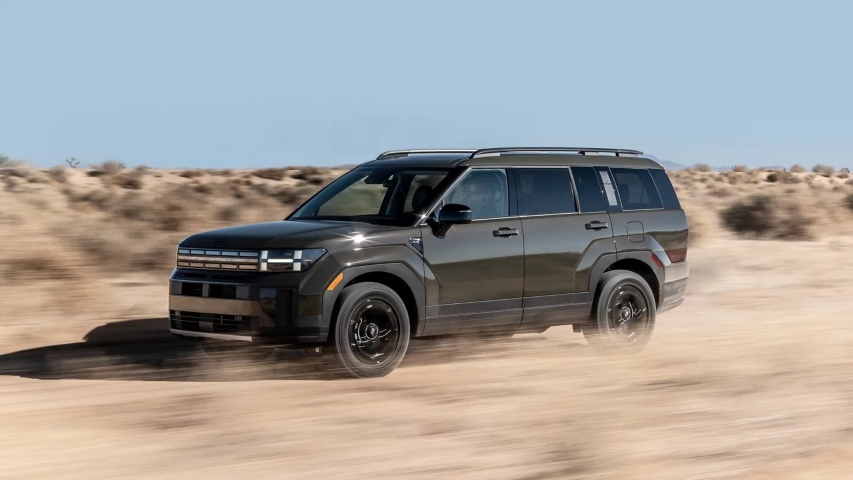
The midsize SUV segment is competitive, with many entrants featuring potent powertrains, comfortable interiors, and cutting-edge technology. The Hyundai SANTA FE and the Honda CR-V are two models that stand head and shoulders above the rest. Both offer spacious interiors with robust powertrain options delivering class-leading fuel economy while cruising in Olympia, Washington. How do these formidable family haulers compare in 2025, and which is better, the Honda CR-V or the Hyundai SANTA FE? Join us as our Titus-Will Hyundai team pits the 2025 iterations up against each other to see how they stack up in important areas.
Design and Aesthetics: Side by Side Look
The 2025 Hyundai SANTA FE retains the boxy Land Rover-inspired exterior body style we’ve come to know and love from previous model years. It carries over some styling elements from its predecessor, including LED headlights, LED daytime running lights, and standard 18-inch alloy wheels. The only notable update is the addition of Atlantis Blue to the existing exterior paint color palette.
Like its competitor, the Honda CR-V’s exterior design and styling remain unchanged for 2025. It still features the sporty design of the previous model, including a gloss-black grille that dominates the front fascia and gloss-black alloy wheels. Noteworthy design features include low-beam LED headlights and signature vertically oriented LED taillights.

While the 2025 Hyundai SANTA FE and the 2025 Honda CR-V both go to great lengths to deliver plush interiors, the former ultimately wins on the passenger comfort front thanks to its spacious cabin and three rows of seating. The SANTA FE provides generous headroom across all three rows, with the front row offering 41.1 inches, while the second and third rows provide 40.6 inches and 37.7 inches, respectively. By comparison, the CR-V offers 40.0 inches of headroom in the front row and 38.2 inches in the rear.
The SANTA FE’s passenger comfort is enhanced by more legroom than the Honda CR-V. The Hyundai SANTA FE has a maximum legroom of 44.4 inches in the front row, 42.3 inches in the second row, and 30.0 inches in the third row, while the CR-V provides 41.3 inches in the front row and 41.0 inches in the rear.
Interior Space Comparison: Hyundai SANTA FE vs. Honda CR-V
| Feature | 2025 Hyundai SANTA FE | 2025 Honda CR-V |
|---|---|---|
| Headroom (Front) | 41.1 in | 40.0 in |
| Headroom (Second Row) | 40.6 in | 38.2 in |
| Headroom (Third Row) | 37.7 in | — |
| Legroom (Front) | 44.4 in | 41.3 in |
| Legroom (Second Row) | 42.3 in | 41.0 in |
| Legroom (Third Row) | 30.0 in | — |
| Seating Capacity | Up to 7 | 5 |
Both models are outfitted with exciting in-cabin amenities to maximize passenger comfort. Among the standard and available features offered in the Hyundai SANTA FE, depending on trim, are leather-upholstered seating surfaces, heated and ventilated front seats, and a leather-wrapped steering wheel. The 2025 Honda CR-V includes several similar comfort features, both standard and optional, such as leather-trimmed seats, heated front seats, and a leather-wrapped steering wheel and gear shift knob.
Performance and Efficiency
The 2025 Hyundai SANTA FE and the Honda CR-V both offer compelling engine choices, including hybrid options, to accommodate various driving preferences. Nonhybrid SANTA FEs are powered by a 2.5-liter turbocharged four-cylinder engine, producing 277 horsepower and 311 pound-feet of torque. This powertrain, paired with an eight-speed dual-clutch automatic transmission system, delivers smooth gear shifts. Front-wheel Drive (FWD) is standard across the lineup, while HTRAC all-wheel drive (AWD) is optional.
Hybrid SANTA FE models run on a hybrid setup comprising a 1.6-liter turbocharged four-cylinder engine paired with a 44.2-kW electric motor and a 1.49-kWh battery. This setup produces a combined 231 horsepower and 271 lb-ft of torque. Like their nonhybrid siblings, the hybrid models have the option of FWD or AWD with a six-speed automatic transmission instead of the eight-speed transmission in the gas models.
| Specification | 2025 Hyundai SANTA FE | 2025 Honda CR-V |
|---|---|---|
| Gas Engine | 2.5L Turbo I4 | 1.5L Turbo I4 |
| Gas Horsepower | 277 hp | 190 hp |
| Gas Torque | 311 lb-ft | 179 lb-ft |
| Hybrid Power | 231 hp / 271 lb-ft | 204 hp / 247 lb-ft |
| Transmission (Gas) | 8-Speed Dual Clutch | CVT |
| Transmission (Hybrid) | 6-Speed Automatic | E-CVT |
| MPG (City / Hwy / Comb) | 20 / 29 / 24 | 28 / 34 / 30 |
The 2025 Honda CR-V is also available with a gas or hybrid engine option. The base engine is a 1.5-liter turbocharged inline-four that generates 190 horsepower and 179 lb-ft of torque. CR-V hybrid variants utilize a 2.0-liter turbocharged inline-four engine paired with two electric motors and a high-voltage battery, delivering a combined 204 horsepower and 247 lb-ft of torque.
They both offer excellent fuel economy, but the Honda has a slight edge over the Hyundai. Gas engine, FWD SANTA FE models get an EPA-estimated 20 mpg in the city, 29 mpg on the highway, and 24 mpg combined. The same configuration CR-V achieves 28 mpg in the city, 34 mpg on the highway, and 30 mpg combined.
Safety and Technology
The new Hyundai SANTA FE and the Honda CR-V both offer advanced safety and infotainment to transform the most mundane drives into fun-filled adventures. The centerpiece of the 2025 SANTA FE’s safety technology is Hyundai Smart Sense, which includes many driver-assistance systems designed to improve driver alertness and reduce fatigue. They include highway driving assist, remote smart parking assist, lane following assist, blind-spot collision warning, lane-keep assist, and smart cruise control with stop and go.
The 2025 Honda CR-V offers similar technologies in its Honda Sensing suite. Notable driver-assistance features in this package include adaptive cruise control with low-speed follow, lane-keep assist, road departure mitigation, lane departure warning, forward collision warning, and a collision-mitigation braking system.
On the infotainment front, the SANTA FE boasts a 12.3-inch infotainment display with wireless smartphone integration. Other exciting connectivity features include dynamic voice recognition, HD Radio, Sirius XM, and a 12-speaker BOSE premium audio system. The all-new Honda CR-V doesn’t disappoint either with its 9-inch color touch screen, wireless phone charger, Wi-Fi hotspot, and wireless Bluetooth capability.
Test-Drive a 2025 Hyundai SANTA FE at Titus-Will Hyundai
If you’re still unsure which of these two popular crossover SUVs you should go for, consider getting firsthand experience with both of them to help you make an informed decision. Schedule a free test-drive of the 2025 Hyundai SANTA FE and see for yourself why it’s a top pick for many families in Olympia, Washington.

For most people, a vehicle is the second most expensive item they’ll buy after a house. That’s why it’s so important to understand the process so you can avoid common pitfalls. Our team at Titus-Will Hyundai in Olympia has put together this guide for first-time buyers that covers everything you need to know when buying a car so you can make the right choice.
How Much Car Can You Afford?

Friendly Car Dealer Showing the Contract to a Customer by Gustavo Fring is licensed with Pexels License
The most important step as a first-time buyer is to define your budget. A good rule of thumb is to spend no more than 10%-15% of your monthly take-home pay on all car-related bills. This doesn’t mean just your payment; it also includes other costs, such as insurance, fuel, and maintenance.
Choosing Between New, Used, or Leasing
When you’re planning to purchase your first car, you have the option of buying a new or used vehicle or leasing one. Below are some key considerations to remember when making your choice.
Buying New
A new car typically offers the latest tech, infotainment, and safety features and comes with a full manufacturer’s warranty. However, new cars often cost more and depreciate fast. Only buy new as your first car if you plan to drive the vehicle for a long time.
Buying Used
The best thing about used cars is that they’re extremely affordable, especially if you’re buying from a private seller. However, used cars can have unseen problems that will increase the cost of ownership. Before buying a used car, get a vehicle history report and have a trusted mechanic inspect it for any issues. For peace of mind, consider buying a preowned or certified preowned vehicle from a dealership, as these undergo thorough inspections to ensure their reliability and quality.
Leasing
When you lease a car, you’re renting it for a certain period. The benefit of leasing is that it allows you to drive a new car for a relatively lower monthly payment compared to if you were buying. However, you’ll have mileage restrictions and need to return the car at the end of the lease. Consider leasing if you prefer driving a new car every few years and have a low annual mileage.
Navigating the Dealership Experience
Buying a car from a dealership, such as Titus-Will Hyundai, offers several benefits. They often have a large inventory of new and used cars of different varieties, so it’s easy to find one that meets your specific needs. Dealerships also provide financing deals, and many of them offer special discounts for first-time buyers. However, make sure you do some background research first to find out the market value of the car you want to buy.
To get the best deals, shop around and visit different dealerships to compare prices and see who offers the best deal. Lastly, don’t overshoot your budget. Salespeople can convince you to add features you don’t need, and you could end up paying more than expected.
Preparing for Financing: Loans and Credit Scores
As a first-time car buyer, you may find it difficult to secure an auto loan, especially if you don’t have a good credit score. That’s why it’s important to work on improving your credit score before shopping for a vehicle so you can get favorable interest rates.
Another way to get generous terms on auto financing is to get preapproved for a loan. This will give you a clear figure of what you can afford, allowing you to better negotiate a deal at the dealership. In most cases, the dealership’s financial department will beat your preapproved rate, which helps you save money.
Researching and Selecting Your Ideal Car
When shopping for your first car, you need to have a clear idea of what you want in a vehicle. Look for cars that have a record of safety, reliability, and resale value. If you have a small family and a low budget, consider a reliable commuter vehicle with excellent fuel efficiency.
A vehicle with a spacious cabin and generous cargo capacity is ideal for people with a large family. If your area experiences severe weather or you love outdoor adventures, consider a vehicle with four-wheel drive and a powerful engine that can tow your toys without issues.
Read expert reviews from publications such as Car and Driver, Edmunds, and Consumer Reports and check customer feedback to get more insights about what to look for in a vehicle and the specific models that meet your needs.
Negotiating the Best Price
Negotiation is a key part of the car buying process. When discussing terms, focus on the out-the-door price, which includes the cost of the vehicle and all taxes, fees, and extras. That way, you won’t get any surprises when it’s time to sign the paperwork. Do your research before the negotiation and don’t be afraid to ask for a better price. If the salesperson won’t give you a fair price, check out other dealerships.
Test-Driving: Getting the Most Out of Your Experience
Before you buy a new or used car, take it on a test-drive. This will give you firsthand experience of how the vehicle feels on the road. Drive the car on city streets and highways, focusing on how it accelerates, brakes, and handles turns, and check out the visibility and comfort.
Try out the infotainment system to see how user friendly it is. Sit in the back seat and stretch your legs to assess how convenient it will be for long trips, and don’t forget to check the cargo compartment and the general versatility of the vehicle for everyday use. If you’re not sure about something, ask the salesperson during the test-drive.
Enjoy First-Time Car Buyer Deals at Titus-Will Hyundai
Are you looking for great deals on your first car purchase? Titus-Will Hyundai has a large inventory of new and used vehicles and offers generous incentives and bonuses for first-time car buyers in Olympia, Washington. Whether you want a brand new or preowned vehicle, our sales and finance teams will help you create a personal plan that makes your vehicle acquisition experience hassle free. Contact us today to schedule a test-drive, learn about our financing options, and drive away in your dream car.
Connect with us


Categories
Titus-Will Hyundai
Address
2255 Carriage Loop SW
Olympia, WA 98502
Phone
| Monday | 9:00AM - 8:00PM |
| Tuesday | 9:00AM - 8:00PM |
| Wednesday | 9:00AM - 8:00PM |
| Thursday | 9:00AM - 8:00PM |
| Friday | 9:00AM - 8:00PM |
| Saturday | 9:00AM - 7:00PM |
| Sunday | 10:00AM - 6:00PM |
| Monday | 7:00AM - 6:00PM |
| Tuesday | 7:00AM - 6:00PM |
| Wednesday | 7:00AM - 6:00PM |
| Thursday | 7:00AM - 6:00PM |
| Friday | 7:00AM - 6:00PM |
| Saturday | Closed |
| Sunday | Closed |
| Monday | 7:00AM - 6:00PM |
| Tuesday | 7:00AM - 6:00PM |
| Wednesday | 7:00AM - 6:00PM |
| Thursday | 7:00AM - 6:00PM |
| Friday | 7:00AM - 6:00PM |
| Saturday | Closed |
| Sunday | Closed |