



Many drivers are caught off guard by Olympia’s Pacific Northwest winters and their sudden cold snaps, relentless rain, and surprise snow. While our area doesn’t experience the brutal cold seen elsewhere, the combination of high humidity, wide temperature swings, and constantly wet roads requires thorough vehicle preparation. Our Titus-Will Hyundai team has compiled just what you need — specific instructions for preparing your Hyundai for winter.
Essential Winter Preparation Steps for Your Hyundai in Olympia
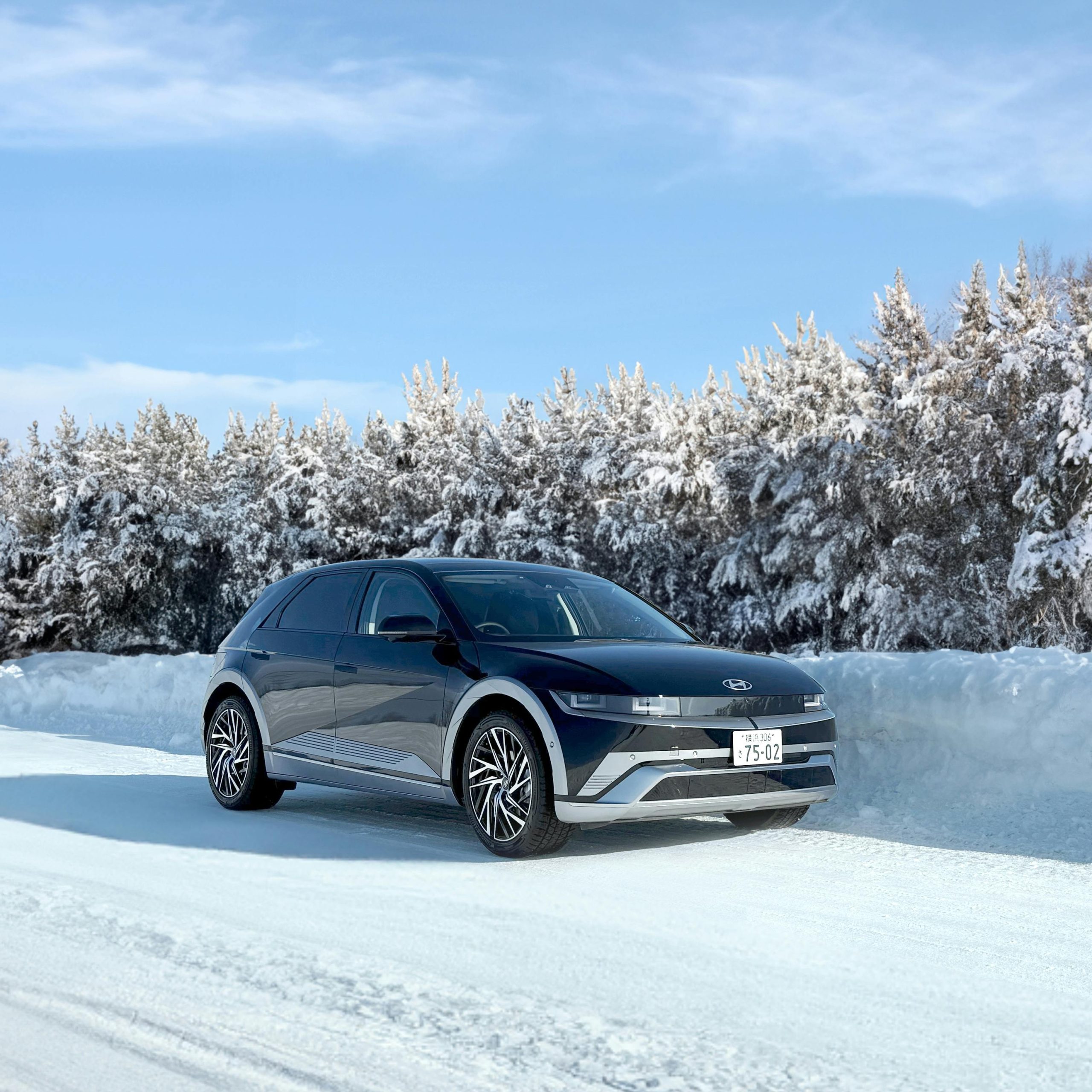
Hyundai Ioniq 5 in Snowy Sapporo Landscape by Hyundai Motor Group is licensed with Pexels License
Olympia’s winters are typically wet, cold, and overcast, with temperatures ranging from 34 to 49 degrees. When it’s not raining, it’s snowing — about 2 to 5 inches a month. The weather can quickly change, which can put stress on your Hyundai.
Start your winter preparation in early fall before the first frost. Inspect your vehicle in September, address tire and fluid changes in October, and finish your winterizing by November. Many service centers are busy during this time of year, so be sure to schedule service at Titus-Will Hyundai as winter nears.
Tire and Traction Preparation for Pacific Northwest Winters
All-season tires work well for most Olympia driving, but winter tires provide better grip below 45 degrees, particularly on mountain passes or in snow conditions. Your tire pressure drops 1 to 2 psi for every 10-degree temperature drop, so check it weekly during the winter months.
Washington State requires drivers to carry chains and install them when driving through mountain passes, when signs are posted, or when snow and ice are present on the road; failure to use them can result in a fine. All-wheel-drive (AWD) vehicles are exempt from this requirement only if they have approved traction tires. It’s best to practice installing your chains at home before attempting to do so on the side of the road.
Battery and Electrical System Winterization
Cold weather decreases battery power; low temperatures slow the chemical reactions happening inside your battery and can reduce its capacity by up to 50%. A battery that’s perfectly fine during the summer can leave you stranded on cold mornings.
Battery testing is quick and reveals the actual condition of your battery, so checking it should be part of your winter preparation. You can clean the terminals with a wire brush and apply petroleum jelly to prevent corrosion. Keeping jumper cables and a portable power pack in your Hyundai is smart, but know when to call the professionals instead of risking damage to your vehicle.
Fluid Systems and Engine Protection
You’ll probably want to change your oil as winter approaches. Cold affects oil’s viscosity — the rate at which it flows. Different Hyundai models need specific oils, so it’s best to consult with our Titus-Will service team to learn which oil is right for your model.
Synthetic oil works better in Pacific Northwest winters, offering longer intervals between changes and superior protection. It works consistently as temperatures change and helps with fuel economy. Don’t forget about your Hyundai’s other fluids. Your coolant may need changing to prevent freezing, your windshield washer fluid should be switched to a winter formula, and you should check the transmission and brake fluids for contamination.
Visibility and Safety Systems Maintenance
Olympia’s dark, wet winters mandate clear vision. Watch for problems with your windshield wipers, such as streaking, smearing, skipping, squeaking, damage, or poor performance. Hyundai’s wiper blade service mode makes replacement easier. Turn off the engine, then within 20 seconds, press and hold the windshield wiper stalk to the Mist position for about three seconds until the wipers lift vertically.
Check all the lights and clean their lenses. Test the front and rear window defrosters, and apply anti-ice treatments to your mirrors. Replace the cabin air filters yearly; fresh filters improve air quality and defroster performance.
Brake System Winter Readiness
Cold weather thickens brake fluid, slowing brake pedal response. Brake pads can also harden, decreasing friction and making stopping distances longer. You can check their thickness visually; replace them when they measure 3 millimeters or less. Check the parking brake on hills, because slopes can turn icy fast. Ceramic brake pads work well in cold weather and prevent ABS lockups.
Building Your Olympia Winter Emergency Kit
Pacific Northwest weather requires preparation for emergencies. Pick up some waterproof, breathable rain gear for sudden downpours and add some waterproof boots or walking shoes in case you need to hike for help.
Essential supplies include a warm blanket, waterproof gloves, a small snow shovel, an ice scraper, extra washer fluid, and a flashlight with spare batteries. You can add a heavy-duty snow brush, jumper cables, a portable battery pack, basic tools, extra clothes, and cat litter for traction. Include snacks, water, phone chargers, flares, reflective triangles, and emergency phone contacts, and download an app for Washington road conditions. Store your kit in waterproof bins and don’t forget to replace perishables seasonally.
Prewinter Professional Service Recommendations
Always choose to use certified Hyundai technicians, such as those at our Titus-Wills Hyundai service center. You can count on us to use the correct tools and original equipment manufacturer (OEM) parts.
Winter checks include battery testing, fluids, tires, brakes, heating, and electrical systems. Keep your service records to support your warranty coverage and ensure that only OEM Hyundai parts are used.
Ongoing Winter Maintenance Throughout the Season
Continue your winter maintenance routine all winter long. Check your tire pressure at least once a week, including your spare tire, and keep your gas tank at least half full to prevent fuel line freezing. Check fluids regularly: engine oil, brake fluid, transmission fluid, power steering fluid, coolant, and washer fluid. Don’t forget to test all the lights.
Check for salt damage and ice buildup after storms, and rinse the road salt off your Hyundai when possible to prevent rust.
Schedule Your Hyundai’s Winter Service Today
Don’t wait for the first frost to start your winter preparation — book your service today. Our certified techs at Titus-Will Hyundai know your car’s specific requirements and understand Olympia’s winter driving conditions. It’s also a great time to look into a new Hyundai model, maybe one with AWD. Contact us with your questions or to prepare your Hyundai for whatever this winter brings.
Connect with us


Categories
Titus-Will Hyundai

Address
2255 Carriage Loop SW
Olympia, WA 98502
Phone
| Monday | 9:00AM - 8:00PM |
| Tuesday | 9:00AM - 8:00PM |
| Wednesday | 9:00AM - 8:00PM |
| Thursday | 9:00AM - 8:00PM |
| Friday | 9:00AM - 8:00PM |
| Saturday | 9:00AM - 7:00PM |
| Sunday | 10:00AM - 6:00PM |
| Monday | 7:00AM - 6:00PM |
| Tuesday | 7:00AM - 6:00PM |
| Wednesday | 7:00AM - 6:00PM |
| Thursday | 7:00AM - 6:00PM |
| Friday | 7:00AM - 6:00PM |
| Saturday | Closed |
| Sunday | Closed |
| Monday | 7:00AM - 6:00PM |
| Tuesday | 7:00AM - 6:00PM |
| Wednesday | 7:00AM - 6:00PM |
| Thursday | 7:00AM - 6:00PM |
| Friday | 7:00AM - 6:00PM |
| Saturday | Closed |
| Sunday | Closed |