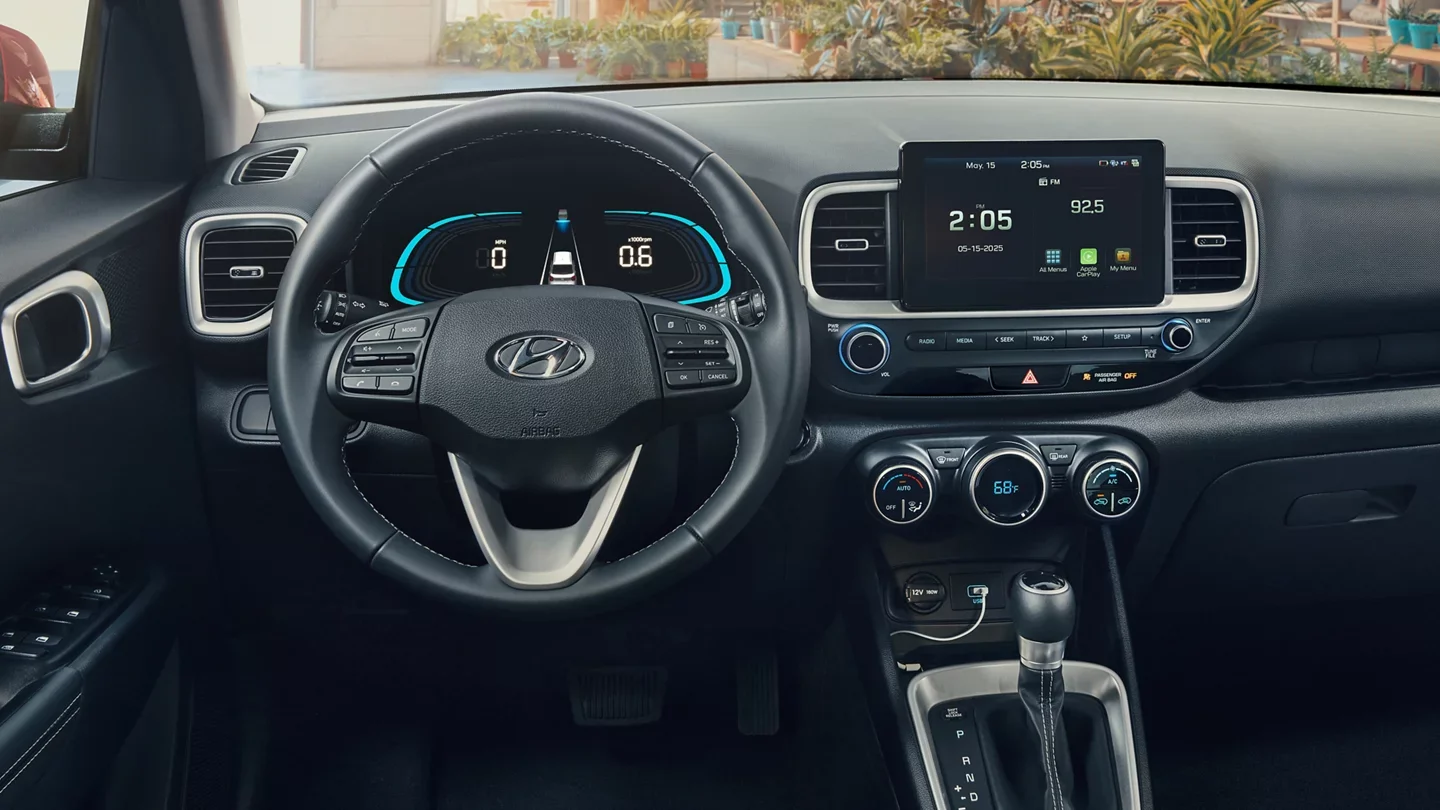
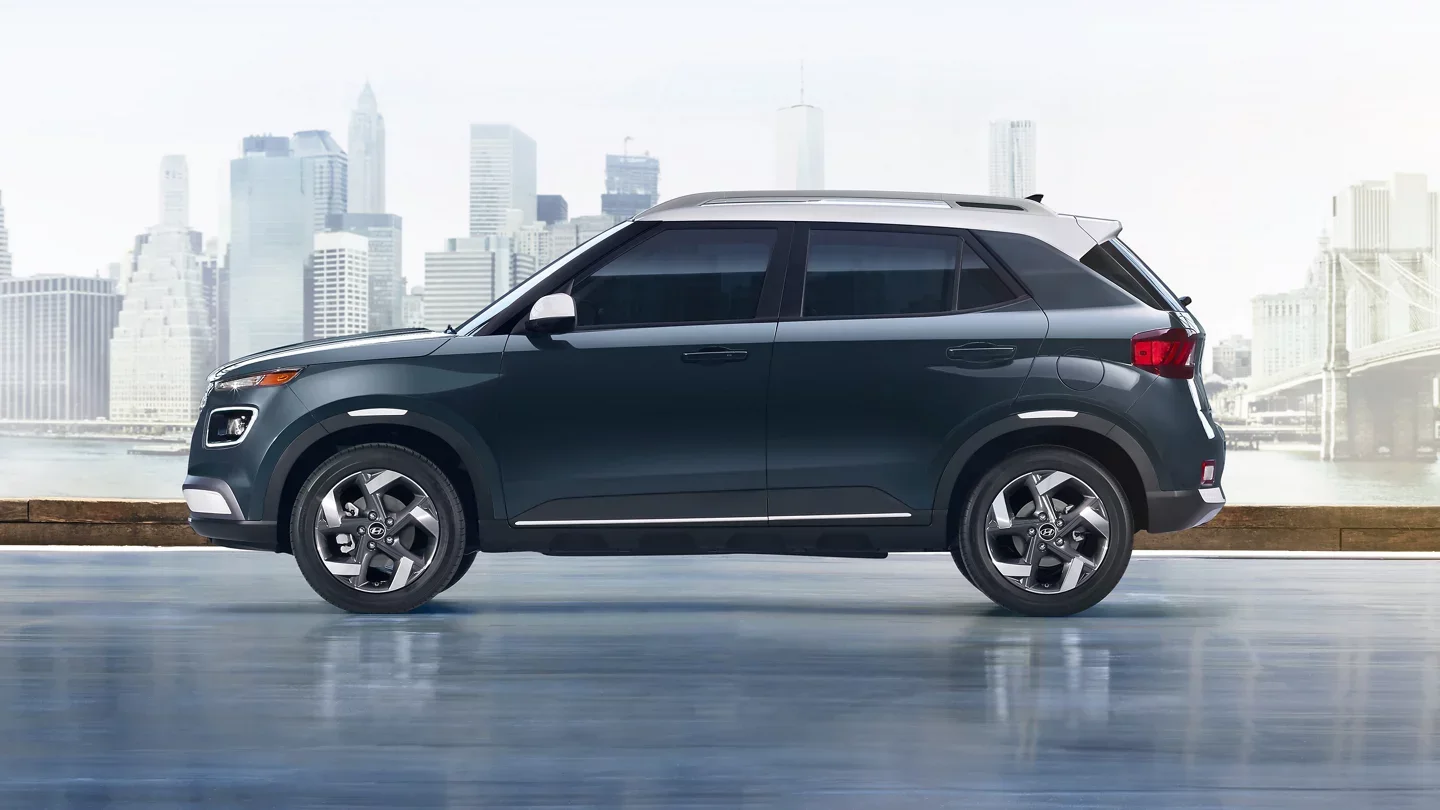
Finding the right subcompact SUV comes down to what you actually need day to day and how you plan to use it. Both the 2026 Hyundai Venue and the 2026 Chevrolet Trax target drivers who want fuel-efficient transportation without giving up modern features. Run a true side-by-side comparison, though, and clear differences start to emerge. The Venue is built around simplicity and everyday value. The Trax counters with a turbocharged engine and a roomier, more tech-forward cabin. On paper, both look like solid picks, but one of them delivers better overall value for most everyday drivers. If you want to skip ahead and see the Venue in person, browse our current inventory or stop by Titus-Will Hyundai in Olympia. Performance Face-Off: How Each SUV Handles Daily Driving Under the hood, these two SUVs take noticeably different paths. The Chevrolet Trax runs a 1.2L turbocharged three-cylinder producing 137 hp and 162 lb-ft of torque, paired with a six-speed automatic. Car and Driver testing puts its 0-60 mph time at approximately 8.8 seconds. For drivers who frequently handle highway on-ramps or want more confidence merging on South Puget Sound commutes, that turbocharged punch is easy to appreciate. The Hyundai Venue takes a different approach with its 1.6L naturally aspirated four-cylinder, producing 121 hp and 113 lb-ft of torque. It doesn't feel sluggish, but it's tuned for smooth, predictable power delivery rather than spirited acceleration. In stop-and-go Olympia traffic or tight surface streets, that steady, linear response actually works well in daily use. Its compact 159.1-inch length also makes parking noticeably easier in dense urban areas. On fuel efficiency, the Venue earns 31 mpg combined (29 city / 33 highway) based on EPA estimates for the 2026 model year. The Trax returns 30 mpg combined (28 city / 32 highway). The difference is modest, but over a year of regular commuting it adds up. For drivers who want weekend Pacific Northwest trips without constant fuel stops, that efficiency margin matters. Cargo Capacity and Towing: Which SUV Works Harder for You The Chevrolet Trax holds a clear edge in cargo capacity. Behind the rear seats, it offers 25.6 cu ft of cargo space, expanding to 54.1 cu ft with seats folded. Drivers who regularly haul gear for weekend trips or family outings will find that flexibility genuinely useful. The Hyundai Venue offers 18.7 cu ft behind the rear seats and 31.9 cu ft with seats folded. It handles groceries, a bag of sports gear, or everyday errands without issue. Where it falls short is in situations that demand consistent hauling capacity. If you're regularly transporting bulky equipment, the Venue's more modest footprint becomes noticeable. Neither vehicle is built for serious towing, which is typical across the subcompact segment. On sheer cargo utility, the Trax offers more room to grow. For urban drivers who keep cargo light and simple, though, the Venue's storage remains perfectly functional. Technology and Connectivity: A Tale of Two Approaches Technology is where the gap between these two vehicles becomes most visible. The Chevrolet Trax features an 11-inch touchscreen on higher trims, along with wireless Apple CarPlay and Android Auto. It also equips trims with a capable driver-assistance suite, making modern tech accessible without requiring buyers to upgrade significantly. The Hyundai Venue covers the essentials well. Standard features include an 8-inch touchscreen with wireless Apple CarPlay and Android Auto, plus Hyundai's SmartSense safety suite, which bundles Forward Collision-Avoidance Assist with pedestrian detection, lane keeping assist, and driver attention monitoring. The Trax's larger display does give it a more polished feel inside the cabin, but the Venue's standard wireless connectivity and safety coverage are meaningful advantages at its price tier. For tech-forward buyers, screen size matters. For drivers who want music, phone integration, and turn-by-turn directions without chasing the latest features, the Venue delivers solid, practical functionality at every trim level. What Makes the 2026 Hyundai Venue the Stronger Pick The Trax earns points in a few specific areas, but the Venue holds up more consistently across the categories that most buyers in this segment actually prioritize. A Distinctive Design With Practical Smarts The Venue's upright, boxy silhouette isn't just a style choice. That taller roofline creates better headroom and a more open cabin feel, especially for rear passengers. Easy ingress and egress, good visibility, and a compact footprint make it a natural fit for city driving. Drivers who want a no-fuss, everyday SUV will feel immediately at home. Value-Packed Features Across Every Trim The Venue delivers a well-equipped base trim without requiring buyers to climb several trim levels to feel well-served. Standard safety features, a comfortable ride, and wireless smartphone connectivity come included from the start. Even at entry-level configurations, the Venue feels like a fully considered vehicle rather than a stripped-down starting point. Hyundai also backs the Venue with America's Best Warranty: a 10-year/100,000-mile powertrain warranty that adds long-term confidence to the purchase. For first-time car buyers, recent graduates, or anyone managing a tight budget, that combination of coverage and affordability is hard to find in this segment. What the 2026 Chevrolet Trax Brings to the Table The Chevrolet Trax is a genuinely strong competitor. Its turbocharged engine makes daily driving more engaging, and the performance difference is noticeable on the road rather than just in spec sheets. Drivers who want a subcompact SUV that still feels responsive and confident will find the Trax satisfying. The spacious interior is another real advantage. With 25.6 cu ft behind the rear seats and 54.1 cu ft folded, it accommodates passengers and cargo more generously than most vehicles in its class. Wireless smartphone connectivity and a standard safety suite round out a capable package. Buyers who research across automotive outlets will find the Trax consistently earns praise for its interior value and driving feel. 2026 Hyundai Venue: The Better Fit for Most Drivers Weighed across performance, technology, cargo space, and overall value, the 2026 Hyundai Venue comes out ahead in the ways that matter most to everyday drivers. The Trax is the right choice for buyers who specifically want more power, a larger screen, or cargo flexibility for a growing family. For fuel-conscious urban commuters, first-time buyers watching their budget, and anyone who just wants a reliable car that doesn't require much fuss, the Venue addresses real needs more directly. It's efficient, easy to drive, well-equipped at every trim level, and backed by America's Best Warranty. That's a hard combination to beat at this price point. For most everyday drivers in Olympia and the surrounding area, the Venue is simply the smarter long-term investment. Have questions about how the two compare or want to talk through which fits your situation? Contact the Titus-Will Hyundai team and we're happy to help. Experience the 2026 Hyundai Venue at Titus-Will Hyundai Nothing replaces sitting behind the wheel. At Titus-Will Hyundai, located at 2255 Carriage Loop SW in Olympia, our team is ready to walk you through everything the 2026 Venue has to offer and answer any questions you have. We serve the South Puget Sound community including Tacoma, Puyallup, and Chehalis, with a full inventory of new and pre-owned Hyundai vehicles, certified technicians, genuine parts, and flexible financing options. Special programs are available for military personnel, first responders, college graduates, and customers with mobility needs. Stop by during showroom hours, Monday through Friday from 9 AM to 8 PM, Saturday from 9 AM to 7 PM, or Sunday from 10 AM to 6 PM, and schedule your test drive. Once you're in the seat, the choice tends to become a lot clearer.